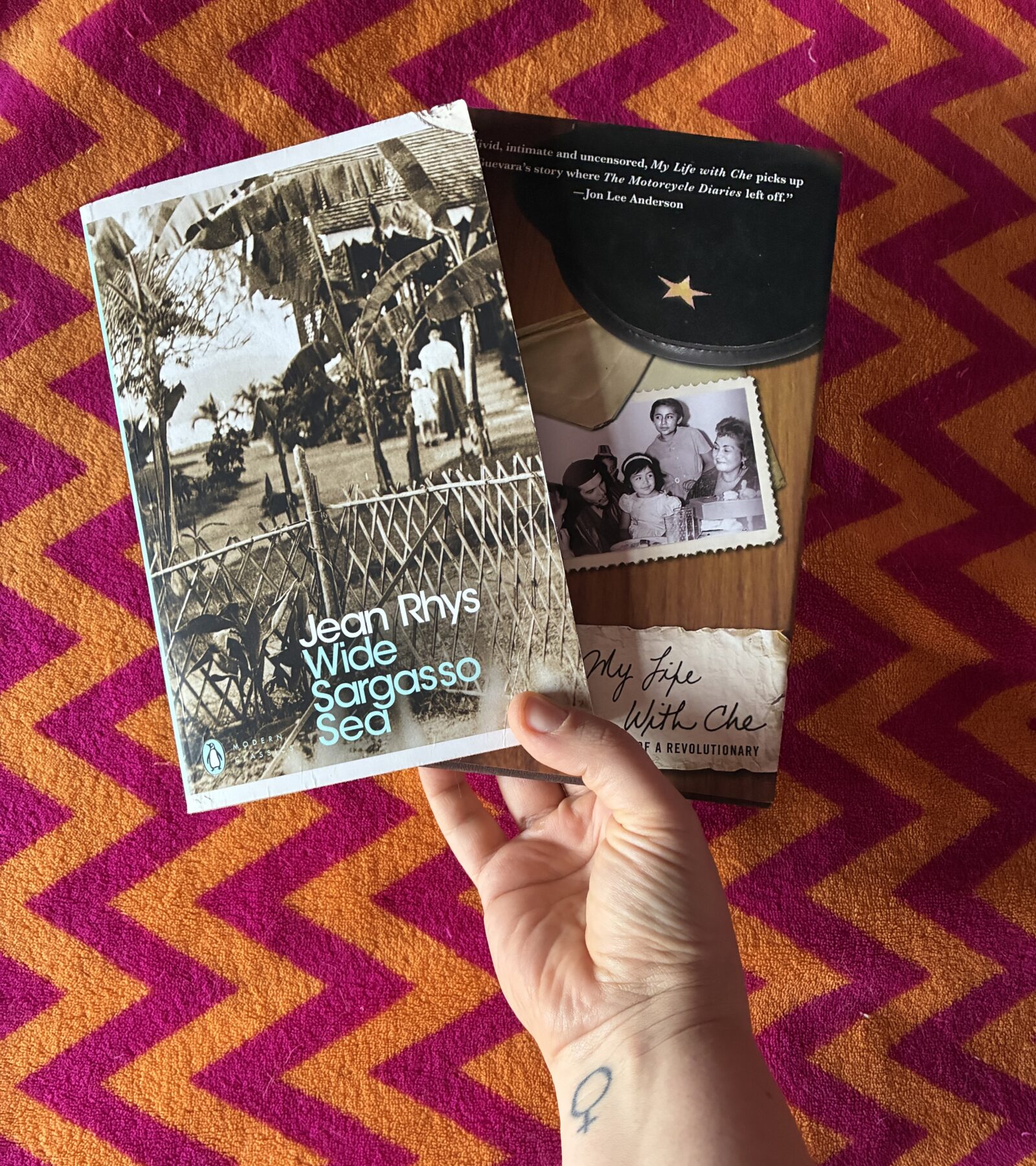
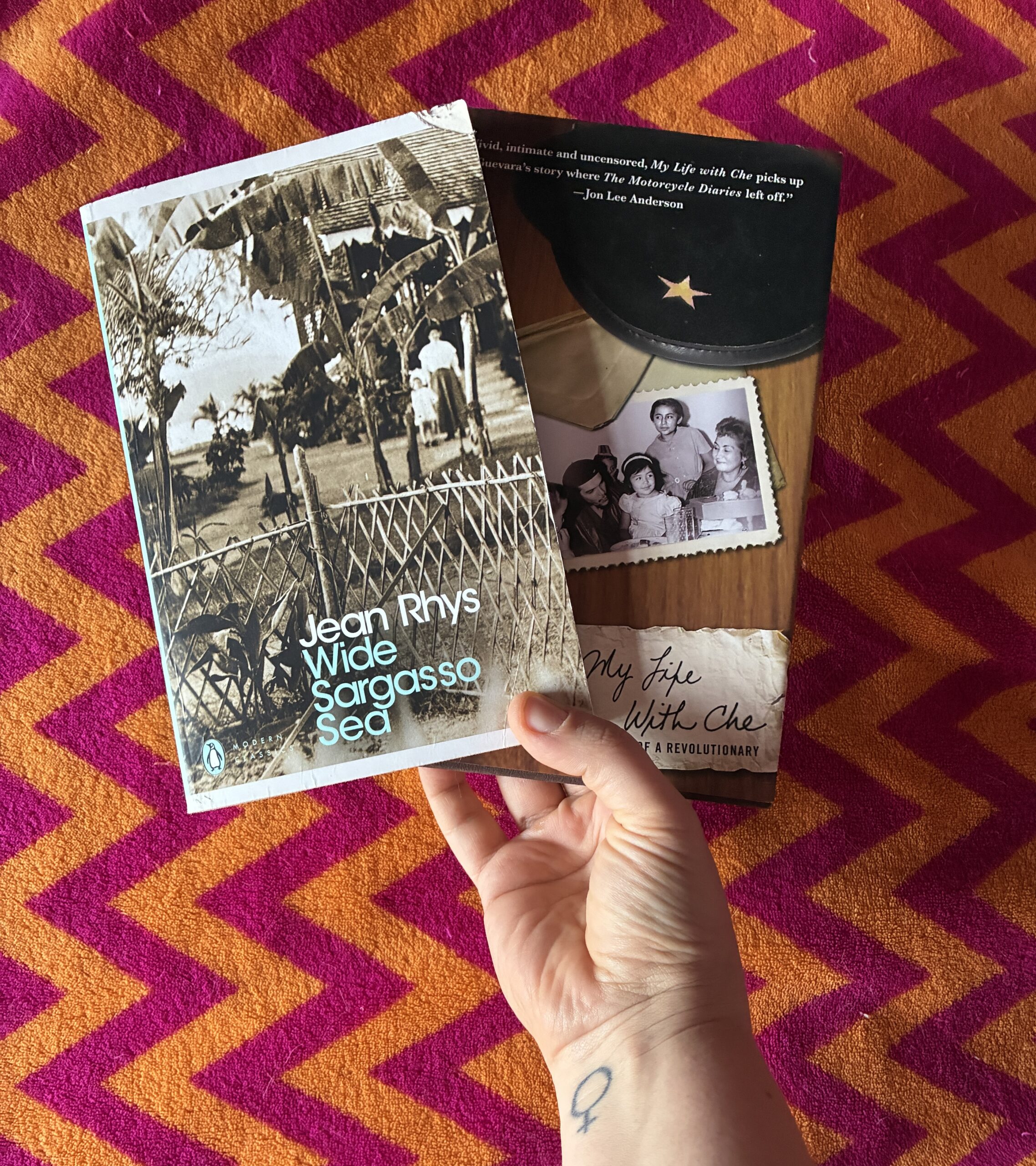
My Life with Che, Hilda Gadea
What I learned from Gadea’s portrayal of Che is that while he definitely understood both race and class, his understanding of gender was basic and trite at best, as per Gadea’s own words, at various points in time he treated her like a servant and expected her to act as such. For example, on marriage: “He referred to Marx and Lenin, saying that marriage had not impeded them in their struggle. On the contrary, their wives supported them,’” in response to Gadea’s worries about marriage impeding her dreams and on his writing: “Ernesto had written a paper on allergy to be presented at a congress … and I had to type it,” among many others, not to mention that while he was fighting in the mountains of Cuba he managed to fall in love with someone else and cheat on Gadea while she was raising their daughter alone. I know, I know, who am I to criticize Che after all, one of the leaders of the Cuban Revolution and the most enduring image of resistance and revolution of our times? But reading the narrative as a woman, one can’t help but see the most human of his flaws: he apparently only saw women as what they could do for him and how they could serve him, which really isn’t that special or groundbreaking at all. What I did learn from this book, however, is that Gadea deserves more attention as a research subject: she was a political organizer and participant when the majority of women were not allowed, and was active in fighting for what she believed in. The most interesting part of the book, indeed, was the introduction, where her brother talked about her achievements and life outside of once being married to Che Guevara.
Wide Sargasso Sea, Jean Rhys
Lauded as a prequel to Jane Eyre, Wide Sargasso Sea tells the story of Rochester’s first wife, a Creole woman from the islands. The novel takes place in Jamaica and Dominica, and switches narrators often: Antoinette tells of her childhood, adolescence, and finishing school, leaving readers with the knowledge that she is about to meet some of her stepfather’s English friends and that she “won’t be dull,” and then we hear from Rochester, who tells of arriving to the island and falling ill, and being quickly talked into marriage with Antoinette. The final part of the book recounts what happens to Antoinette when she arrives in England, in her own words, and leaves readers (at least me) wondering of an unmentioned or un-thought-of escape from the fire that leaves Rochester blind in Jane Eyre, hopeful that Antoinette’s life did not end in the morose way proposed by Brontë, and that instead she has a chance of other things, apart from being the ‘crazy first wife’ in the attic.