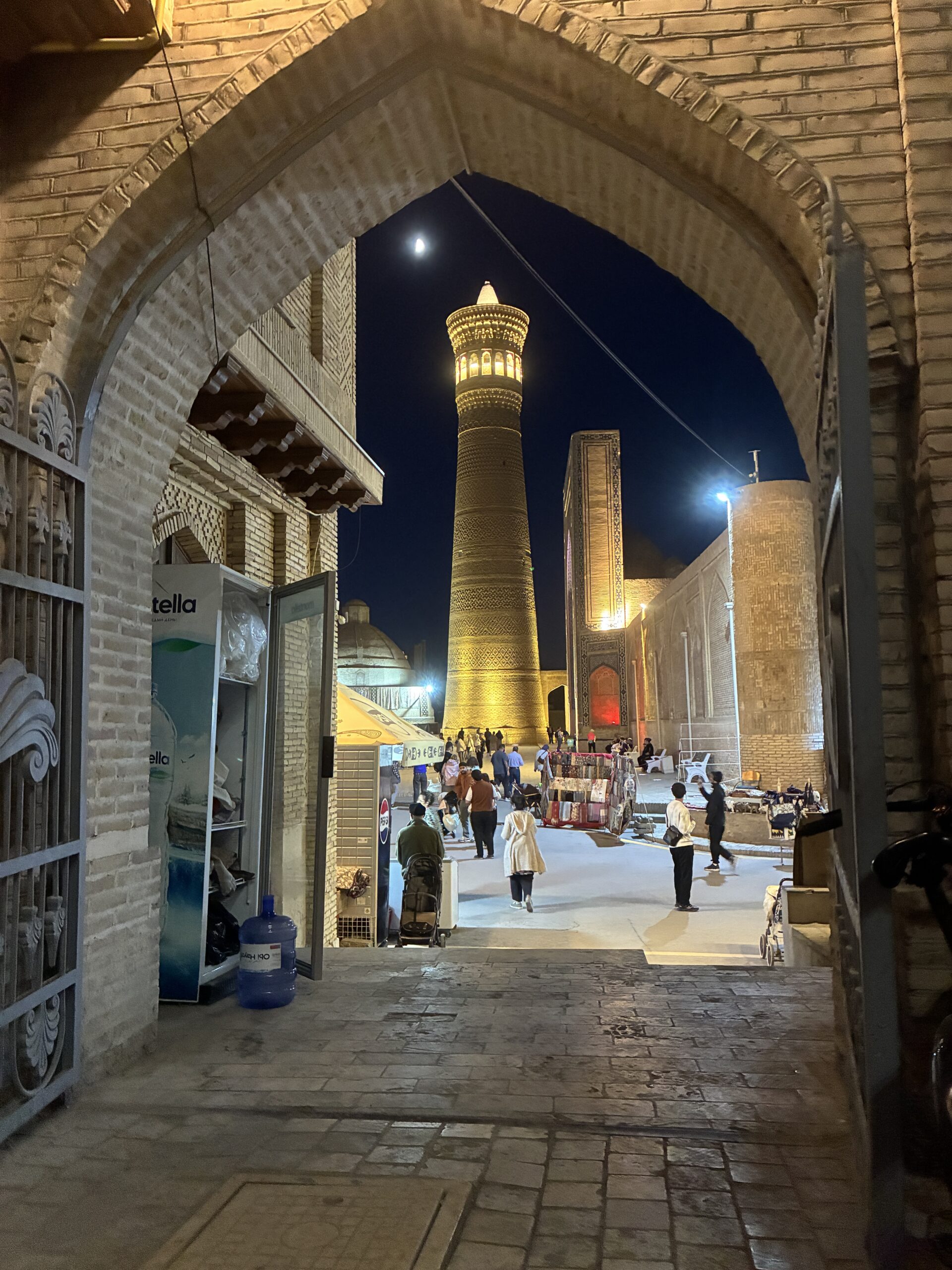
Of the five ‘stan’ countries, Uzbekistan is by far the one most tourist-friendly as of now, and the only one we really considered for our trip, though even Turkmenistan, one of the most closed off countries in the world, second only to North Korea, is also gaining attention (at least in my opinion)! Uzbekistan shares borders with 5 other countries: Kazakhstan, Turkmenistan, Tajikistan, Kyrgyzstan, and even Afghanistan, if only for 144 kilometers (about 89 miles), and is oddly shaped. In the course of our two weeks, we took three 7+ hour trains (two of which were 10 hours), many 3-hour car and/or train rides, and one 2-hour flight from one end of the country to the other, right at the end of our trip.
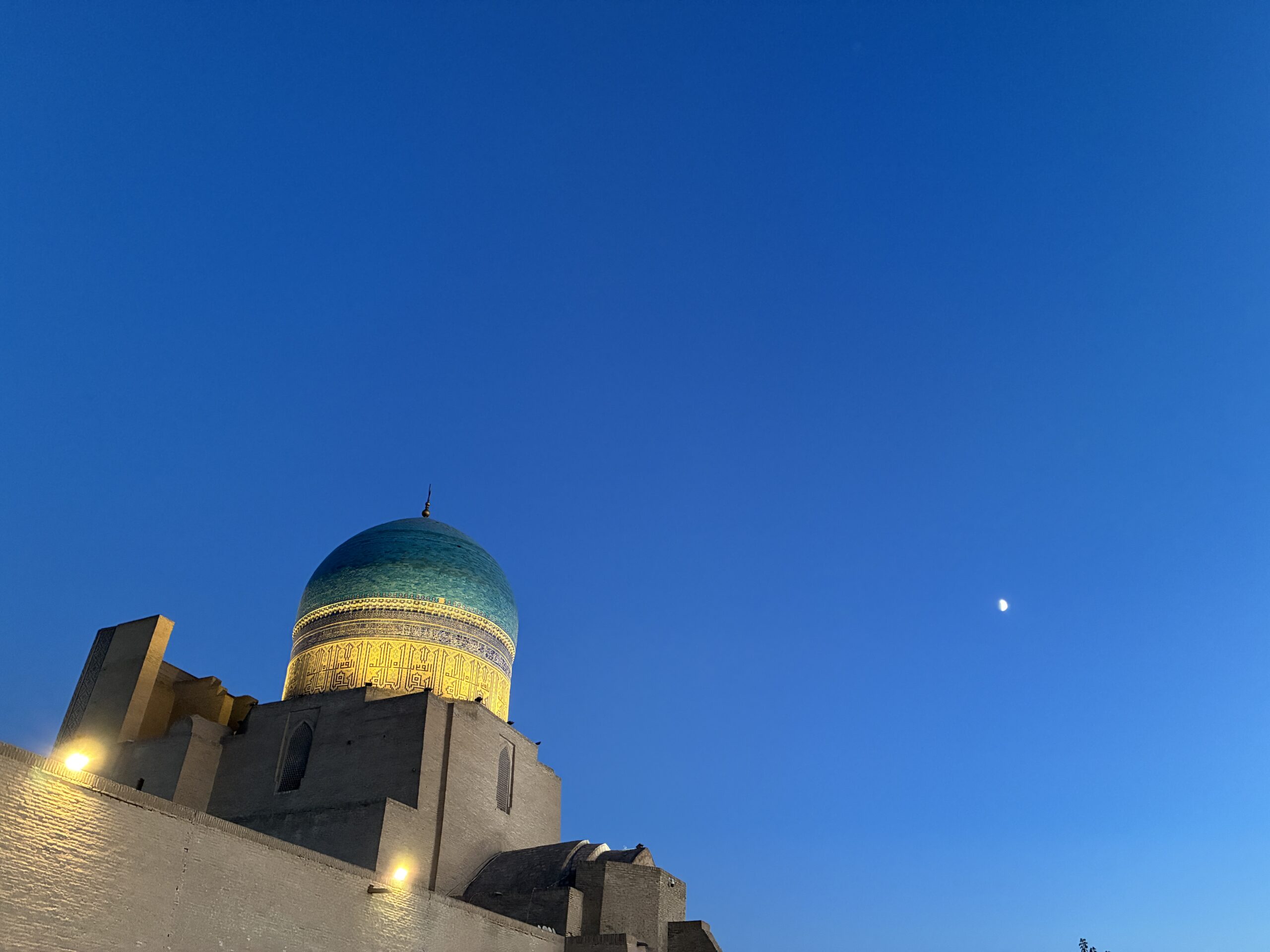
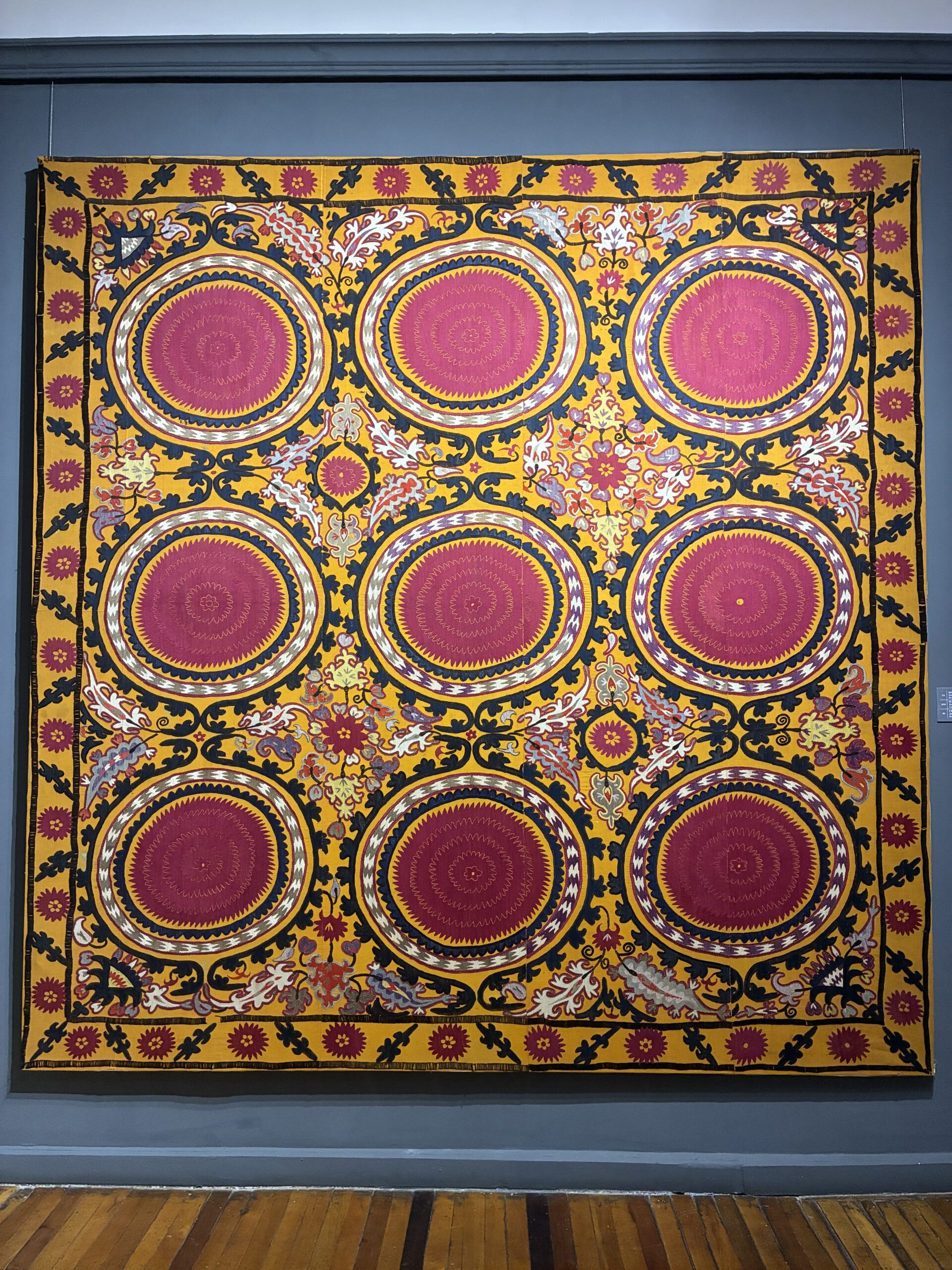
We started in Tashkent and worked our way first down and then up: Samarkand, Shahrisabz, Termez, Bukhara, Khiva, Nukus, and Moynaq. It was an exhausting itinerary, but also exhilarating because we saw a lot – much more than the average person who travels there. (Most only go to Tashkent, Samarkand, Bukhara, and Khiva.) I would have liked to add a few more days, if only to be able to partake in the numerous woodworking, bread baking, or suzani (a traditional kind of stitching) classes offered in Khiva and Bukhara.
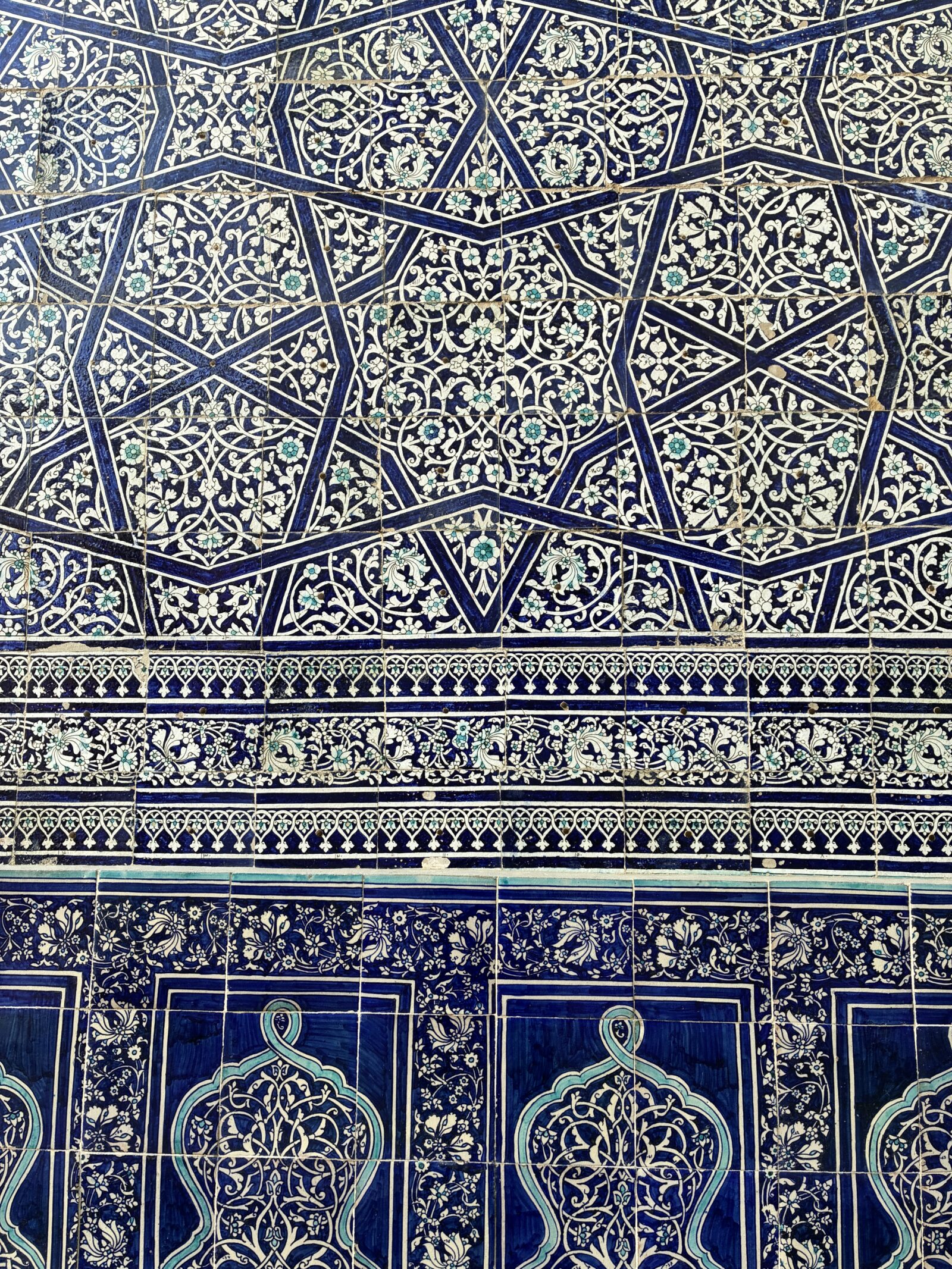
There is also a lot to see and do in each of the cities: most of the museums have English translations for all or most of their exhibits, and the number of mosques, madrassas, and mausoleums is mind blowing, especially when you take into consideration how meticulously and intricately decorated they all are.
So first, Tashkent. We spent two full days here, one at the beginning and one at the end:
-Hazrati Imam complex
-State Museum of the Temurids
-TV tower for city views
-Museum of Applied Arts
-Amir Temur square
-Tashkent City Park
-Chorsu bazar
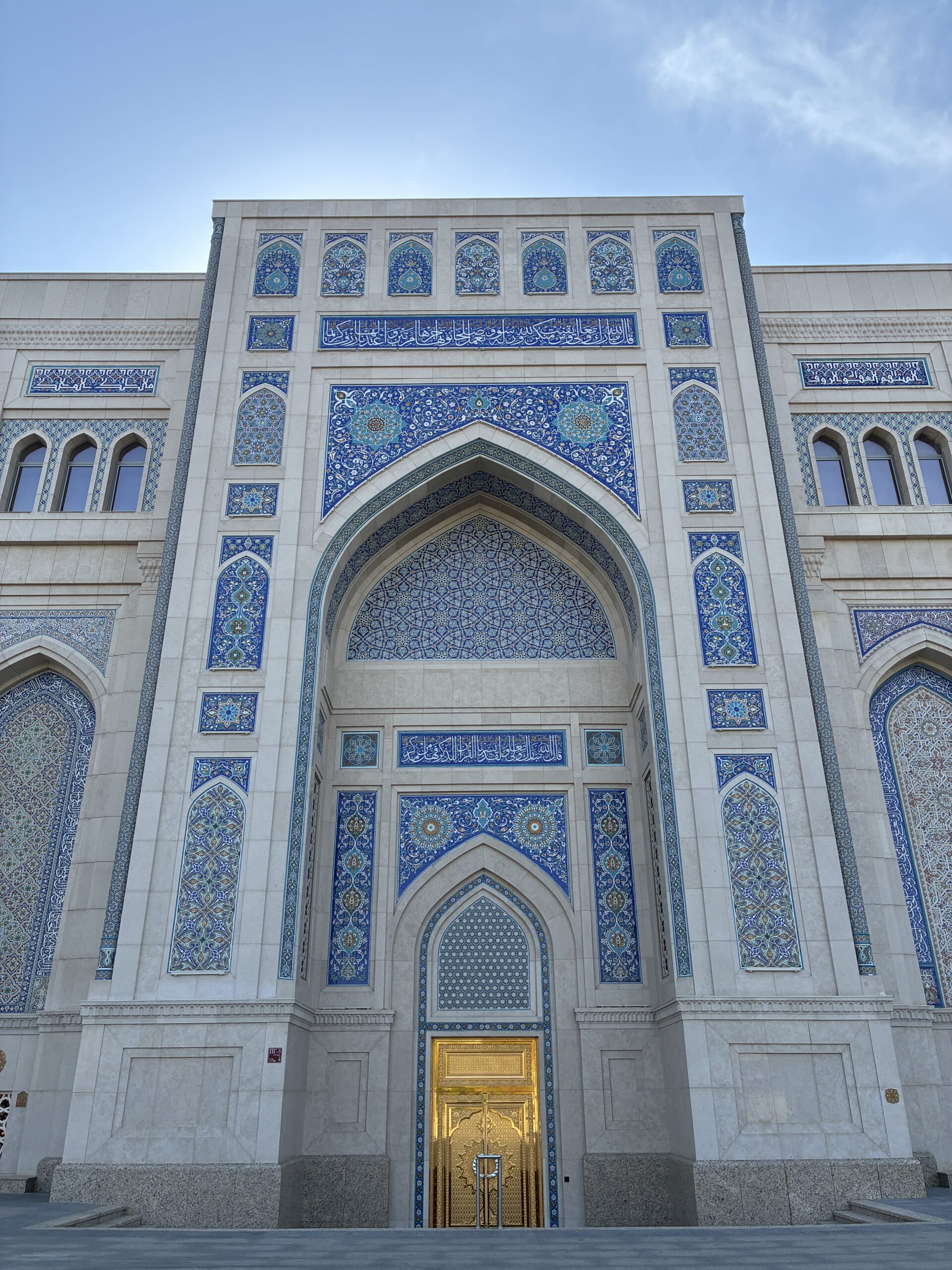
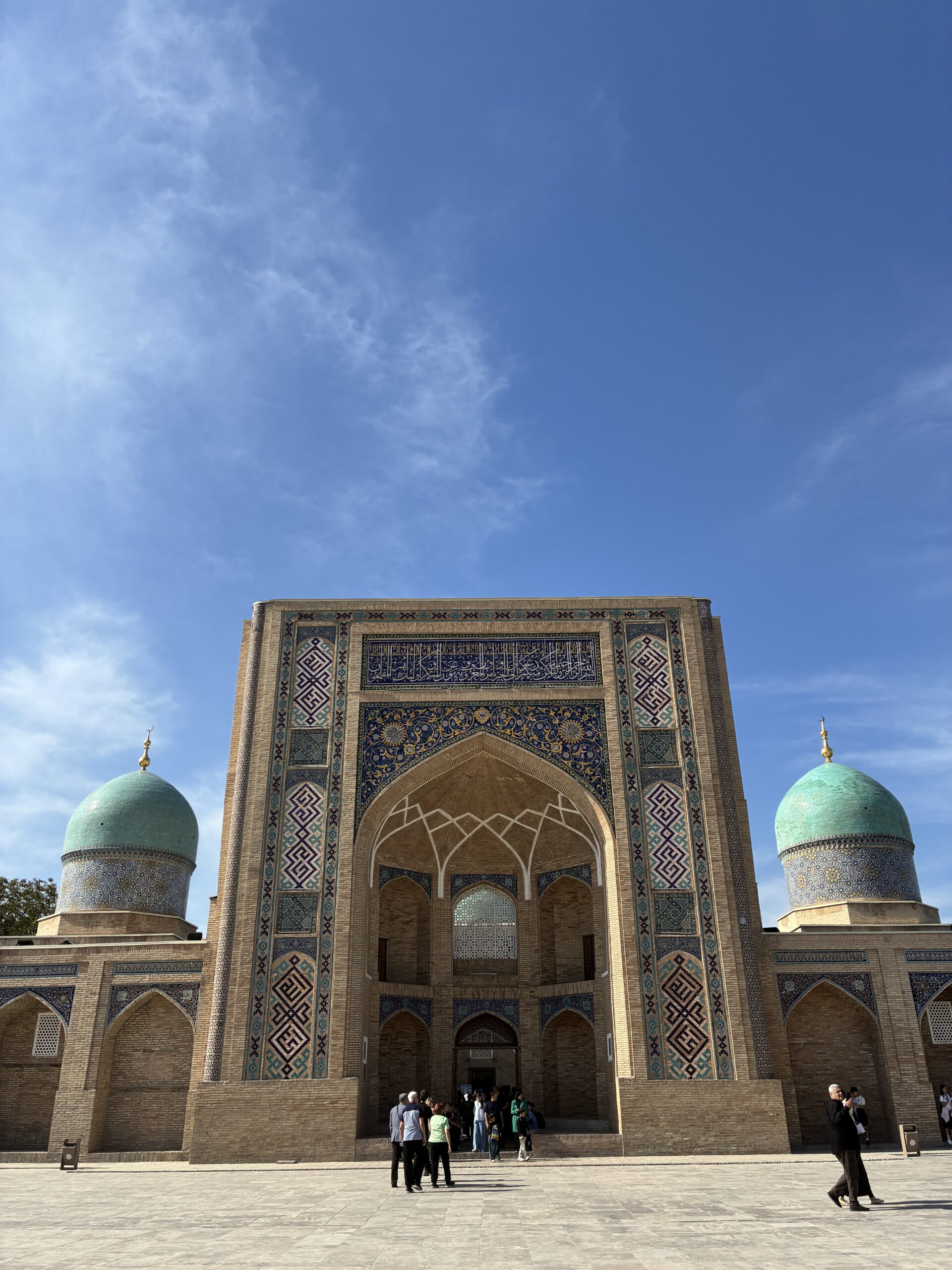
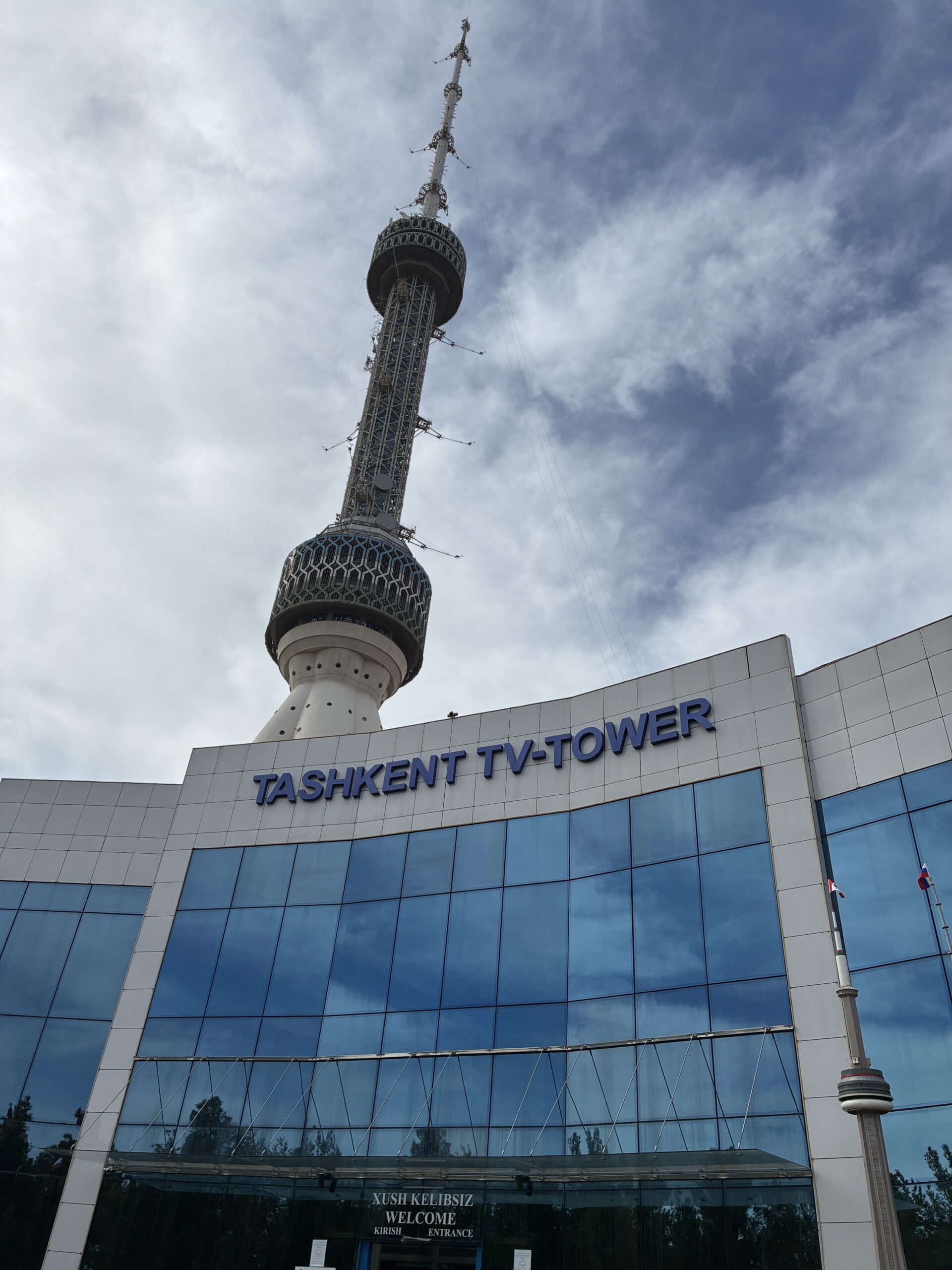
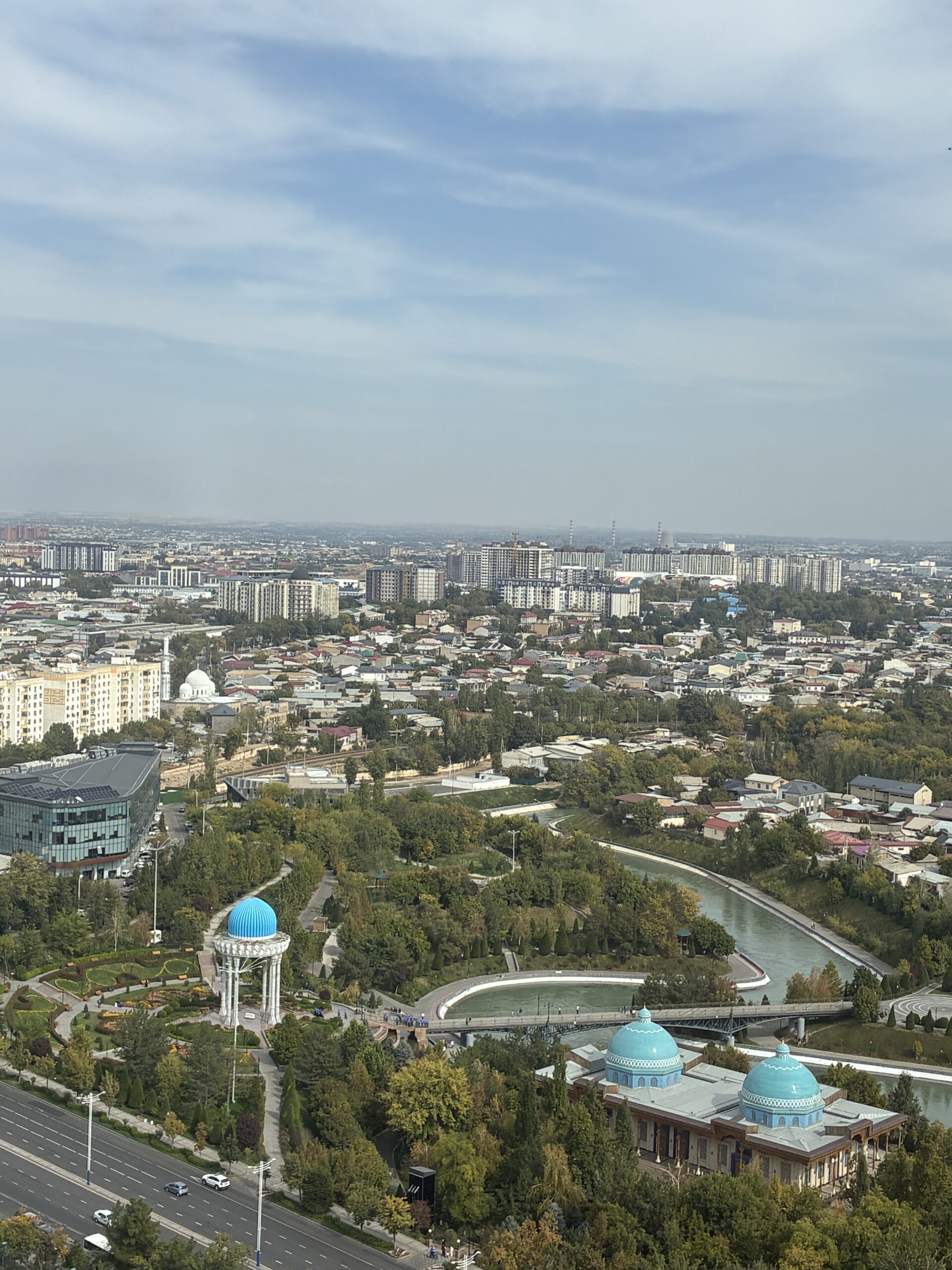
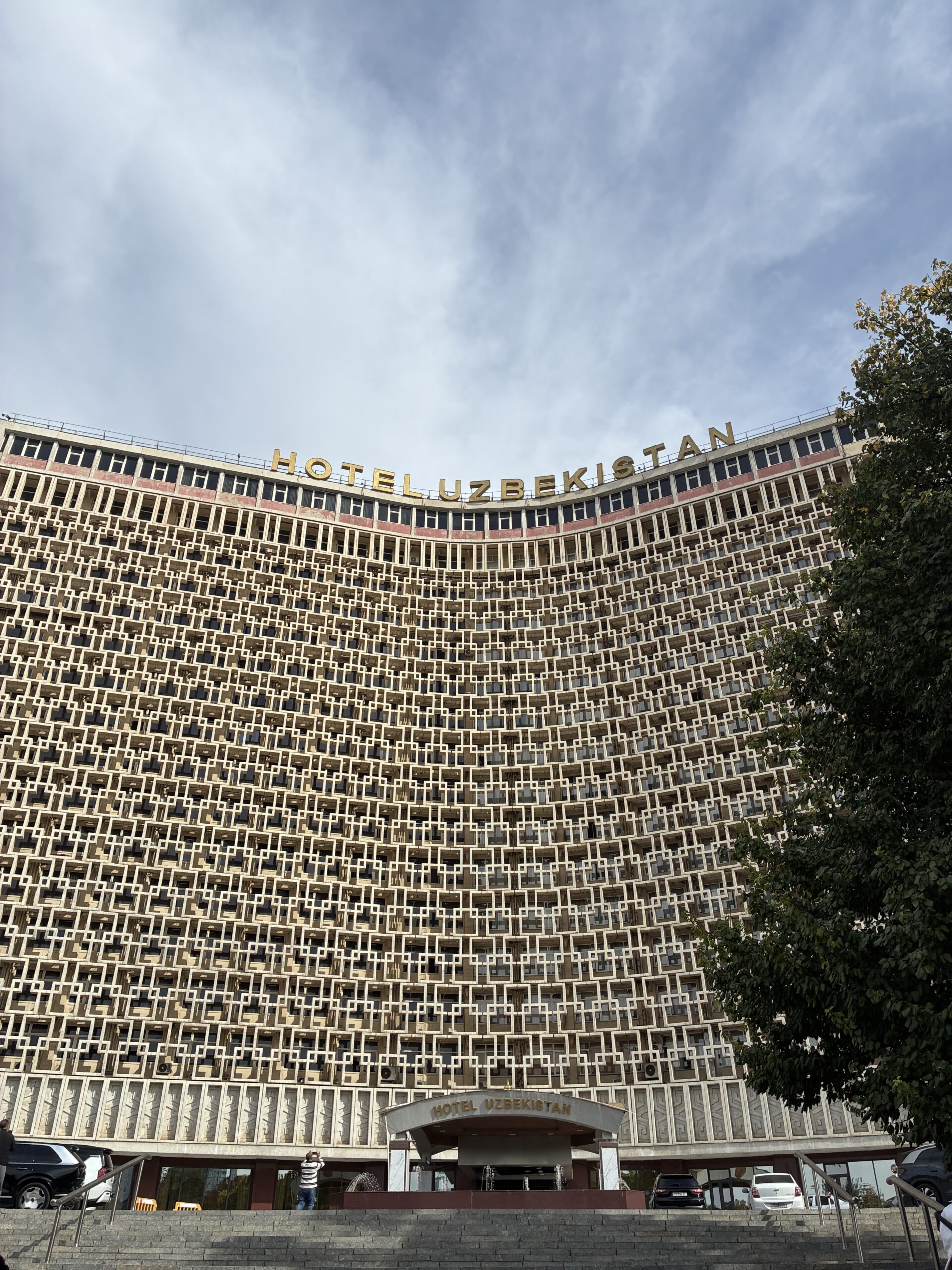
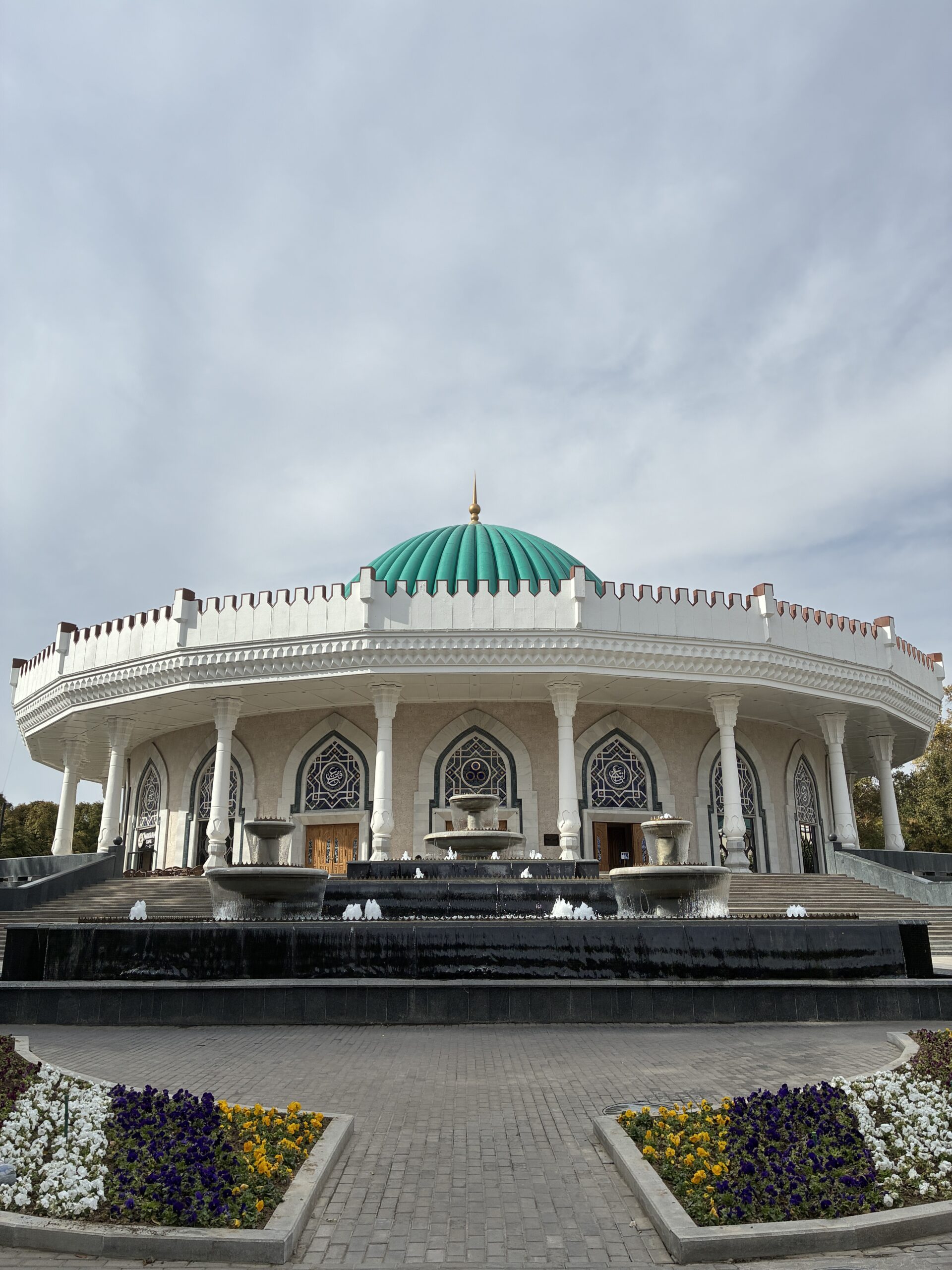
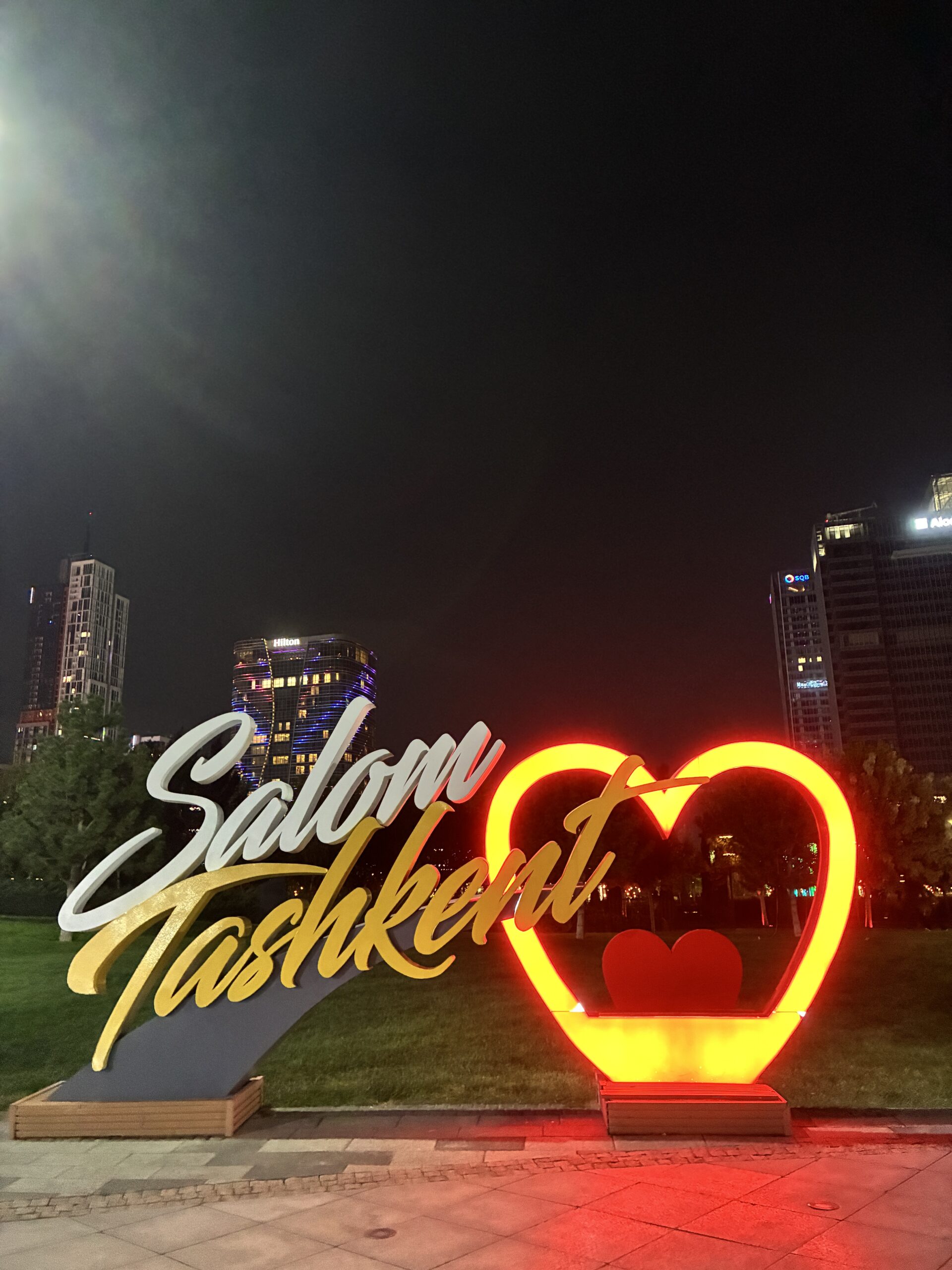
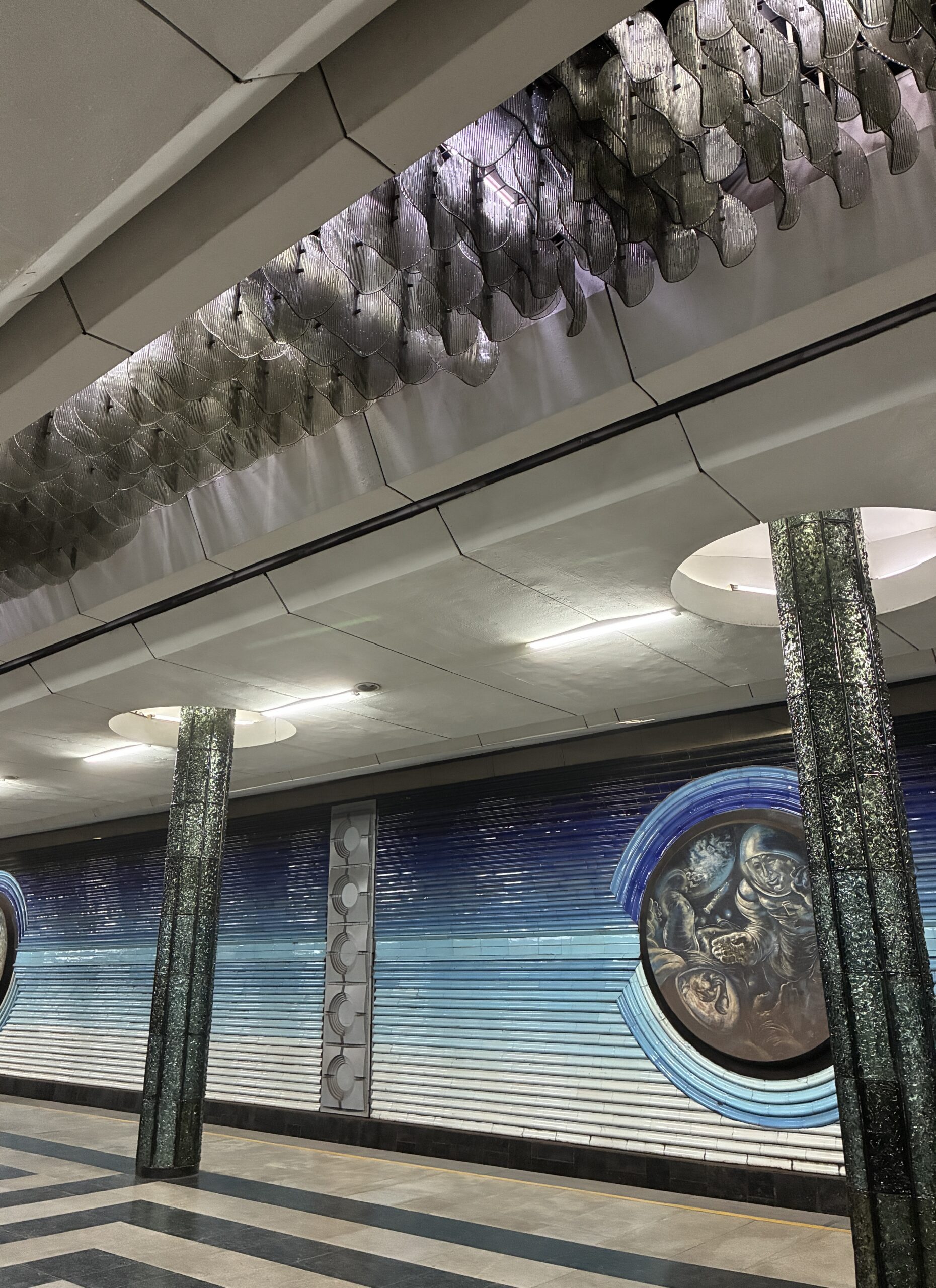
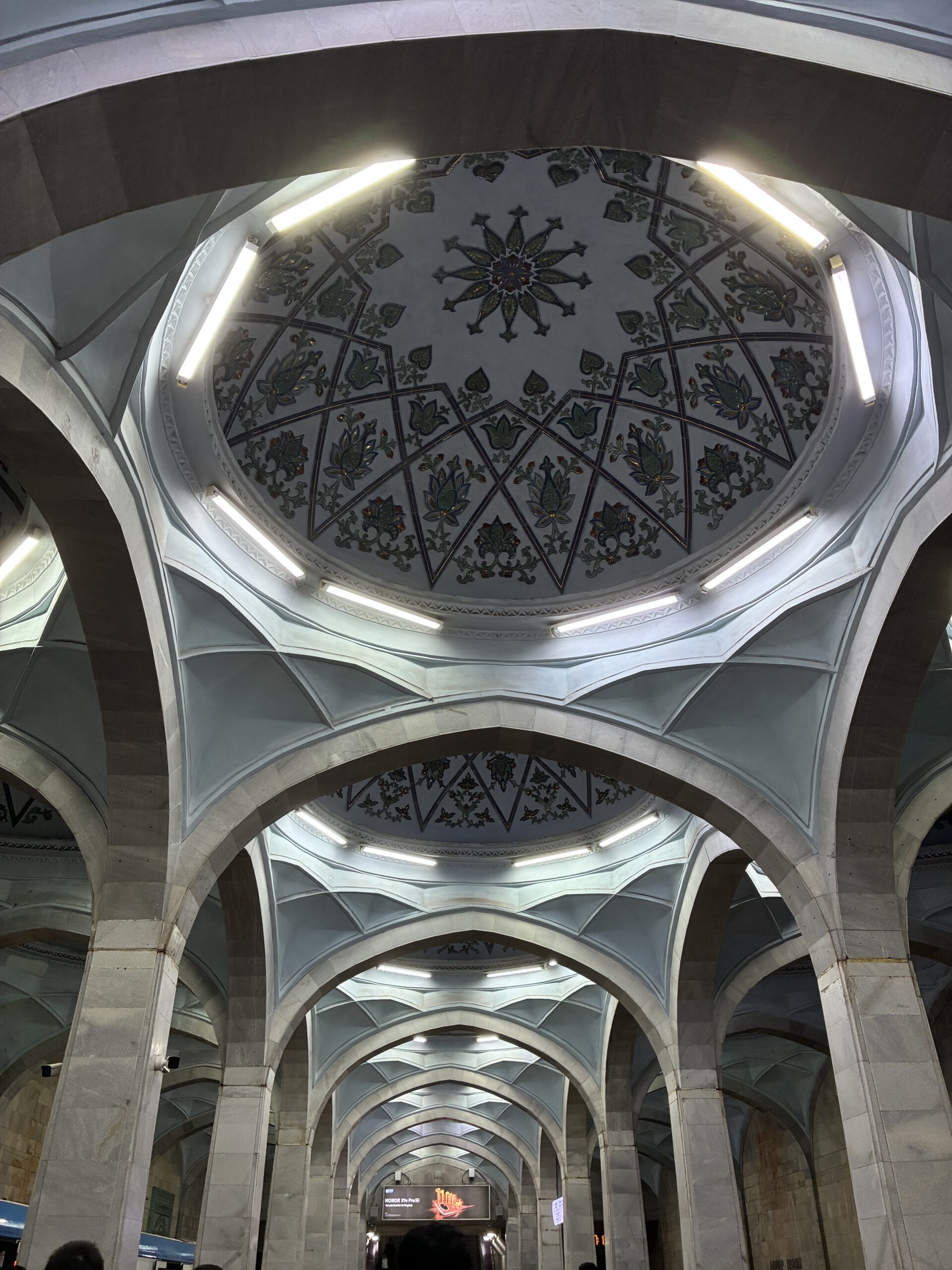
The other interesting thing about Tashkent is the metro, which features quite a few beautifully designed stations. Unfortunately they had been so hyped up for me that when I saw them, I was just ‘whelmed’ (as one of my good friends has taken to saying). Still charming compared to all the other metros I have seen, though. We went to the Kosmonavtlar, Alisher Navoi, and Pakhtakor stations.
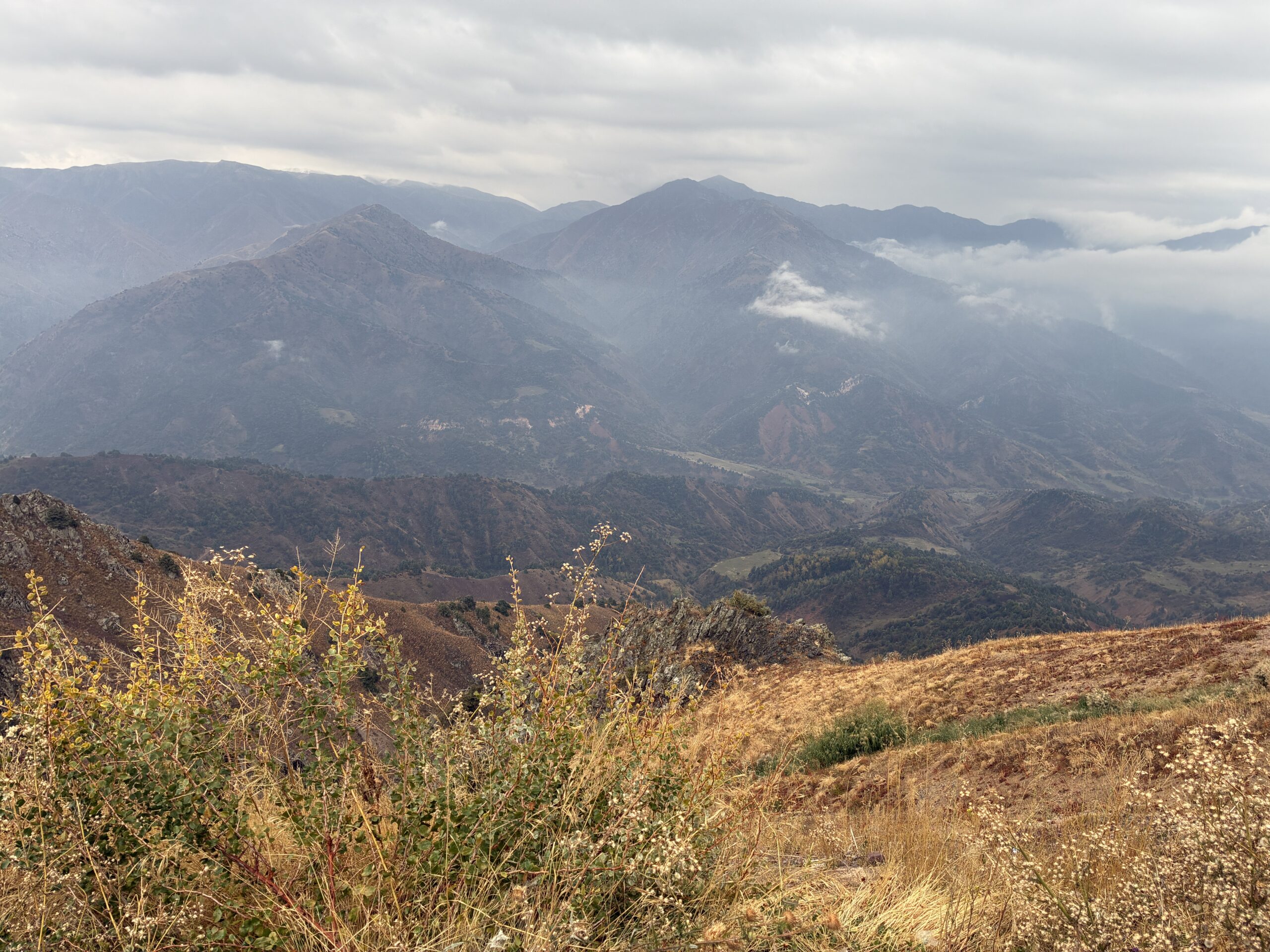
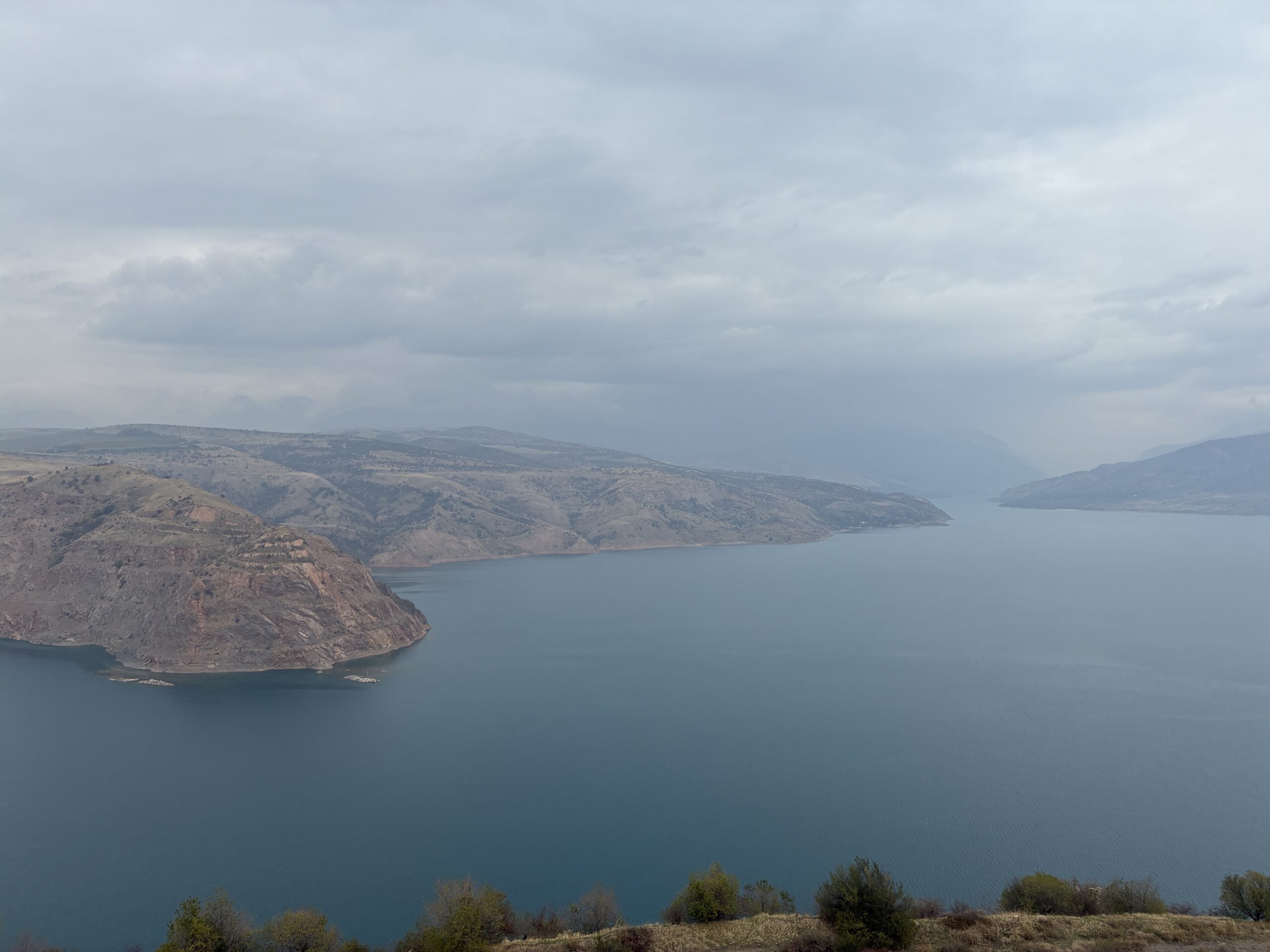
We also did a day trip to Charvak Lake, where we took a cable car up the mountain to see the views, and then went down to see the lake itself. It was the coldest day of our whole trip unfortunately, but still lovely!
Then we took a 3-hour train to Samarkand, and spent two full days there as well:
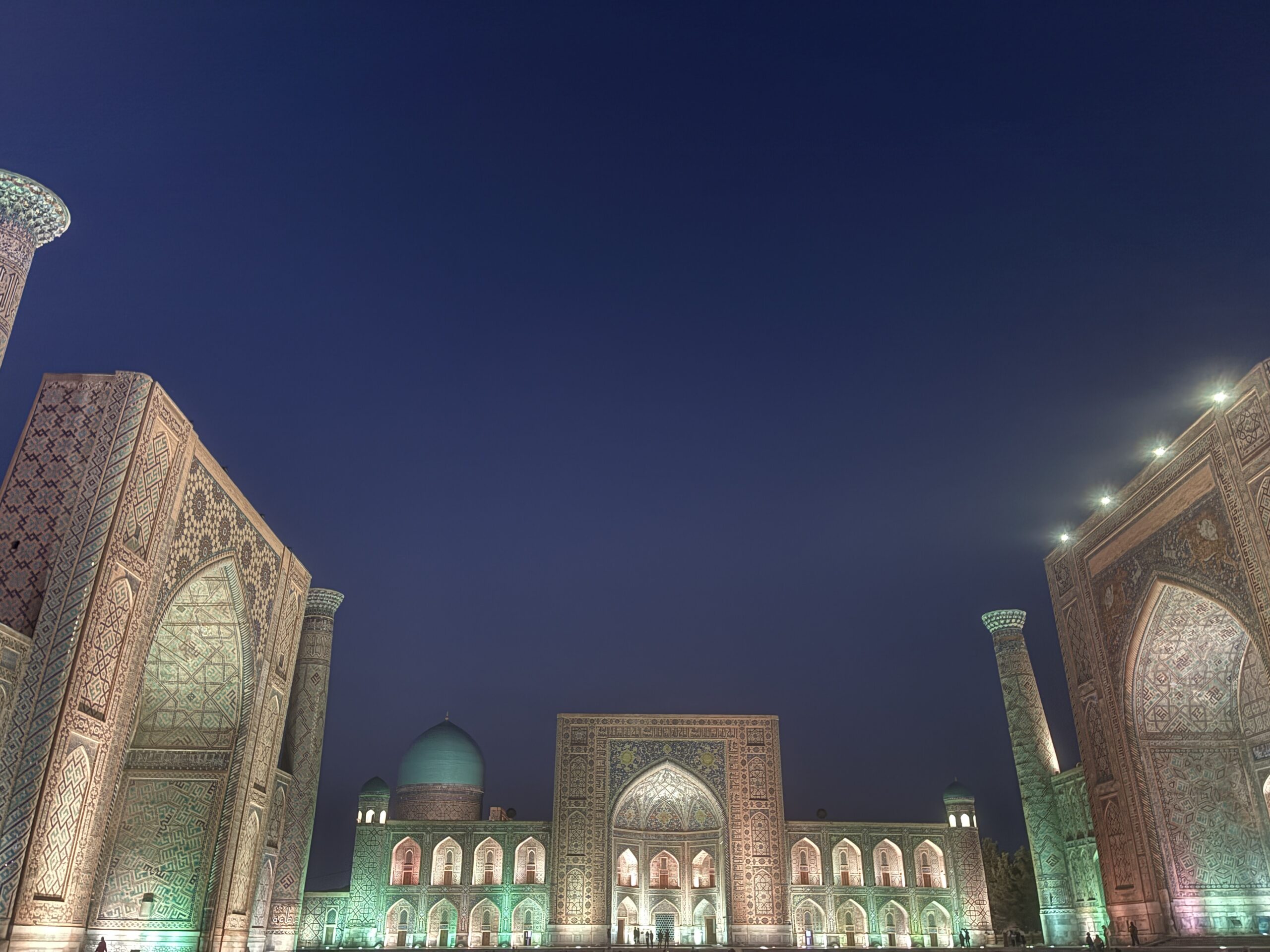
-Registan (plaza with three madrassas)
-Bibi-Khanym mosque and mausoleum
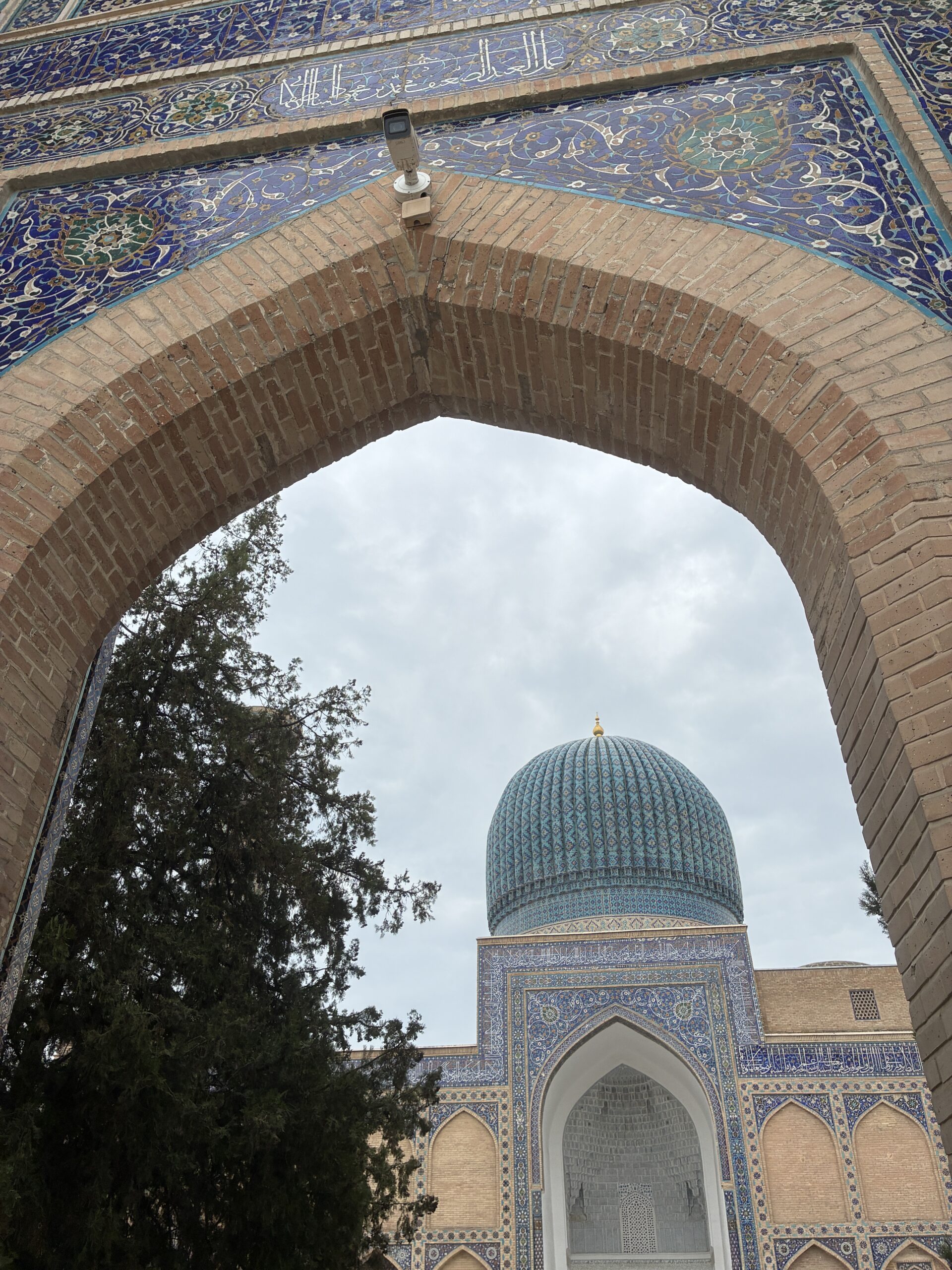
-Gir-e Amir Mausoleum (where Tamerlane is actually buried)
-Tilya-Kori mosque and madrassa
-Sherdor madrassa
-Rukhobod Mausoleum
-Shah-i-Zinda necropolis
-Ulugh Beg observatory
-Afrasiyab museum and ruins
-State Museum of History and Culture
-Aksaray Mausoleum
-Siyob Bazar
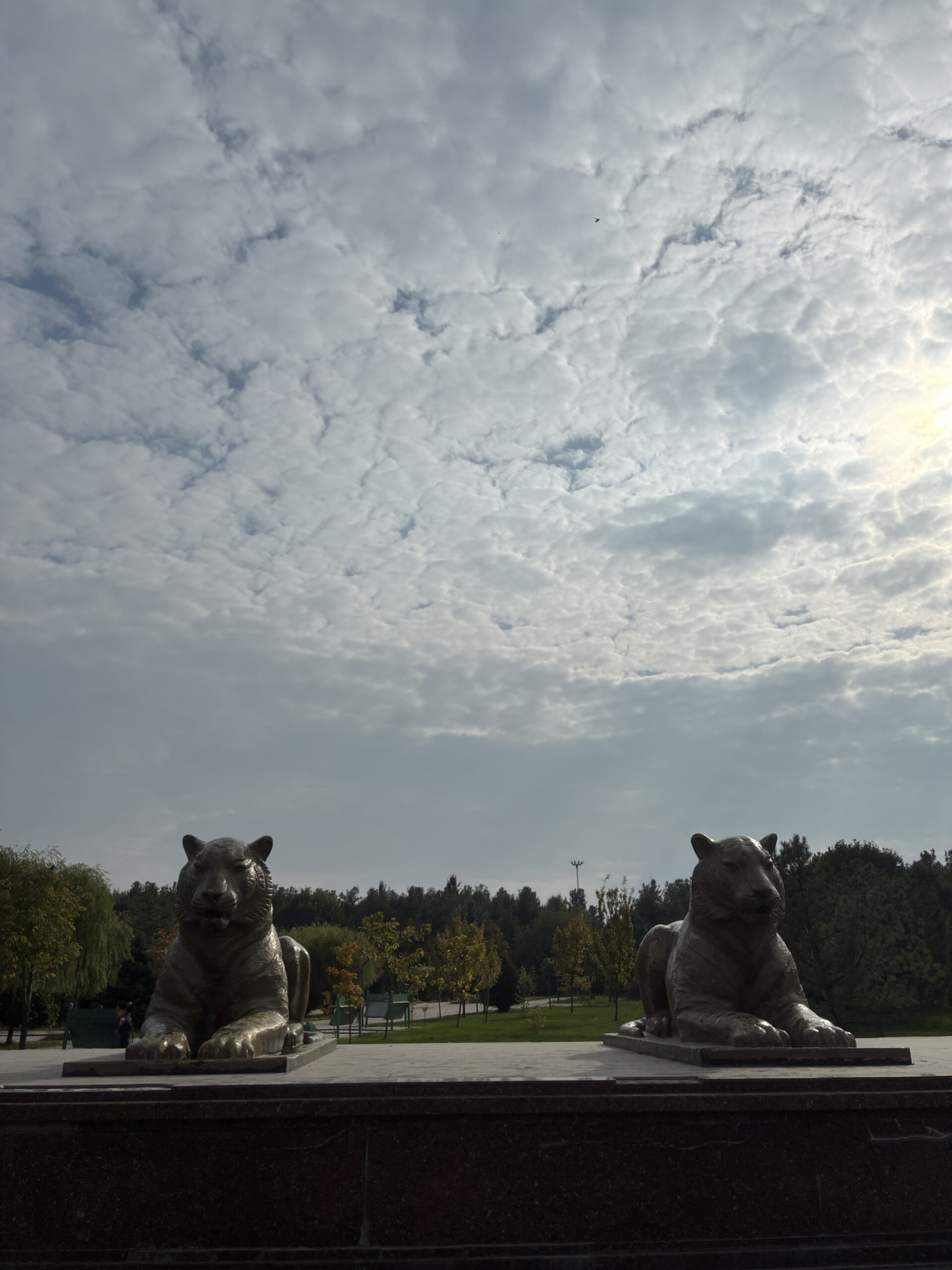
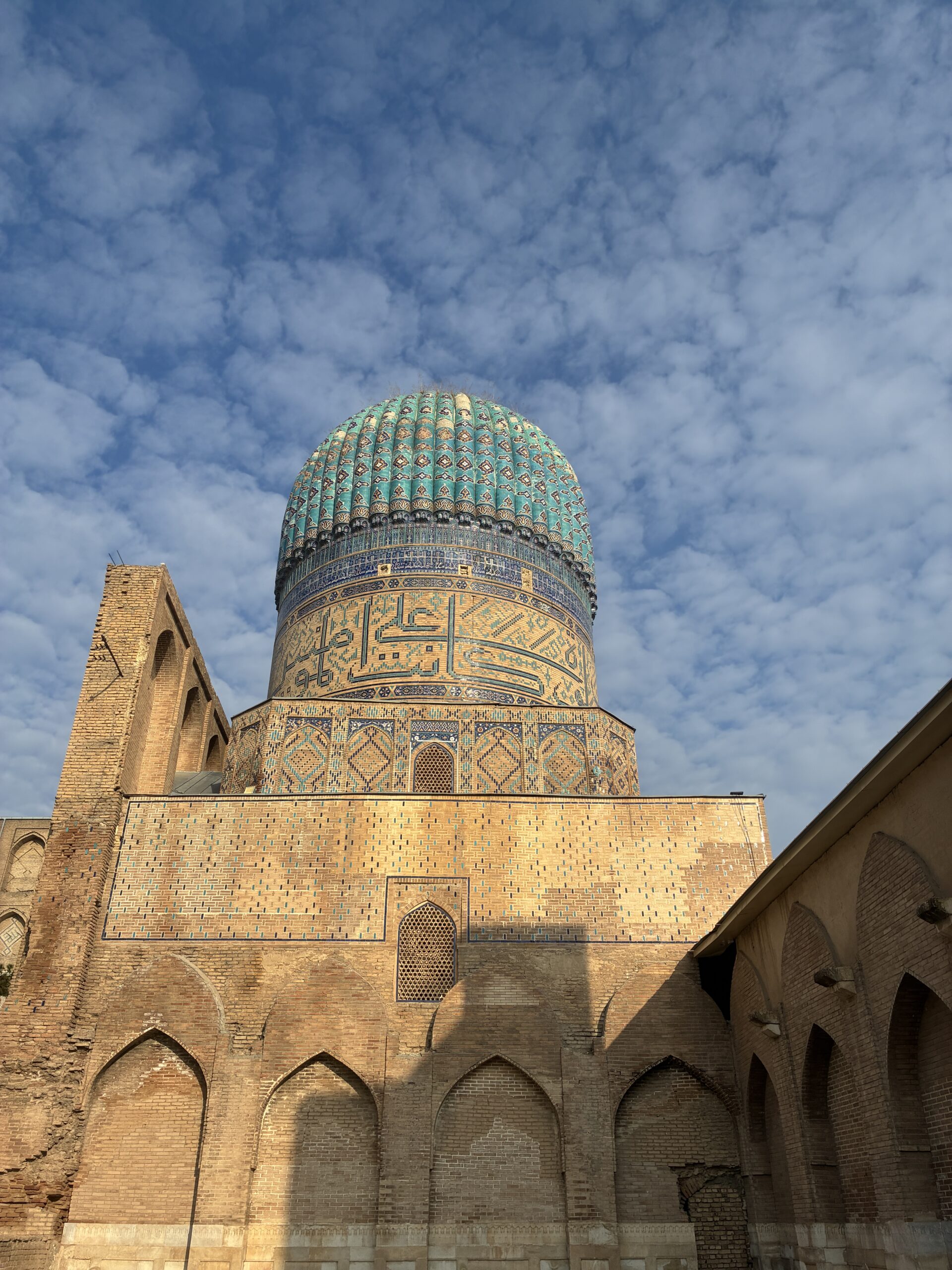
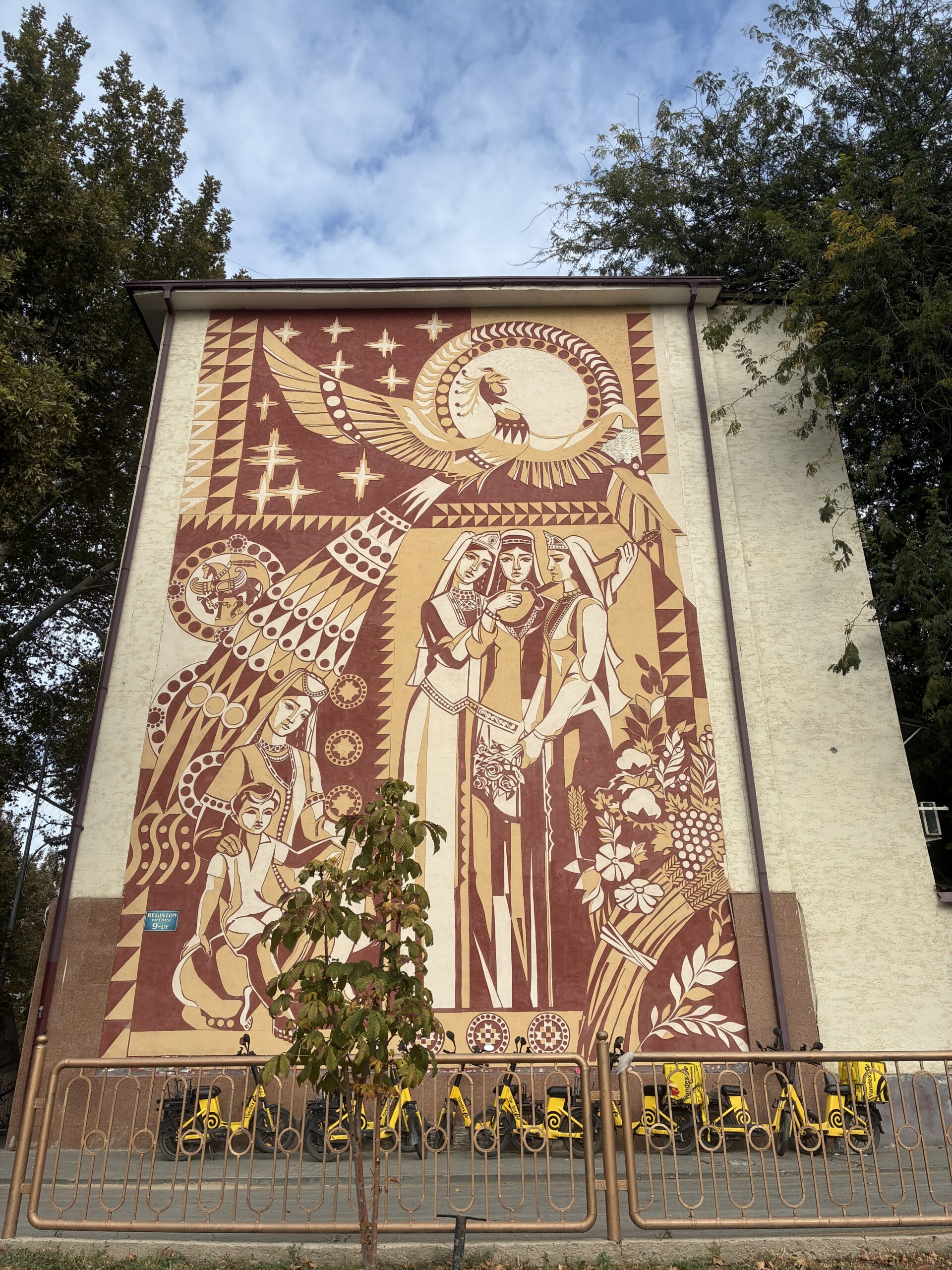
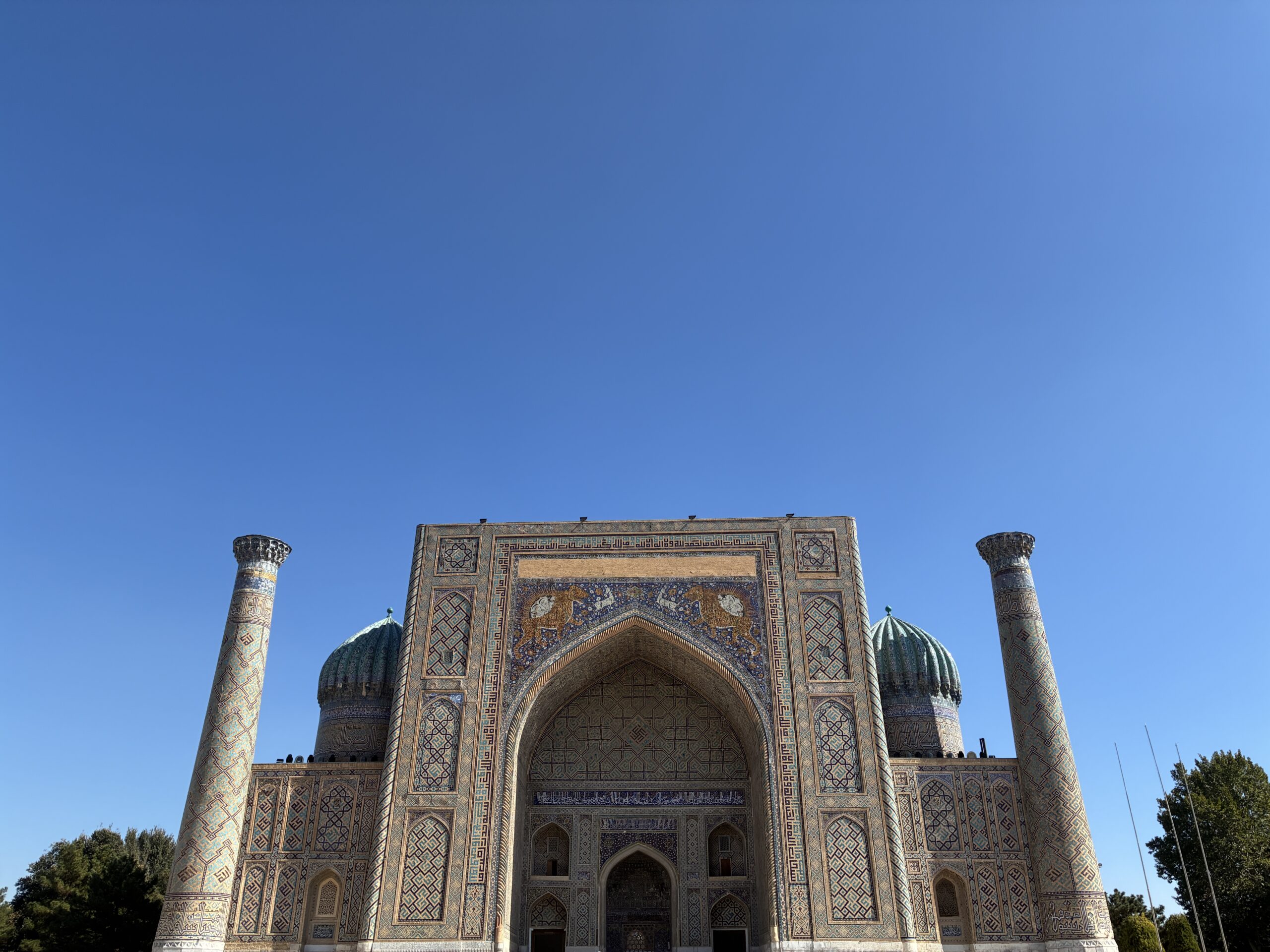
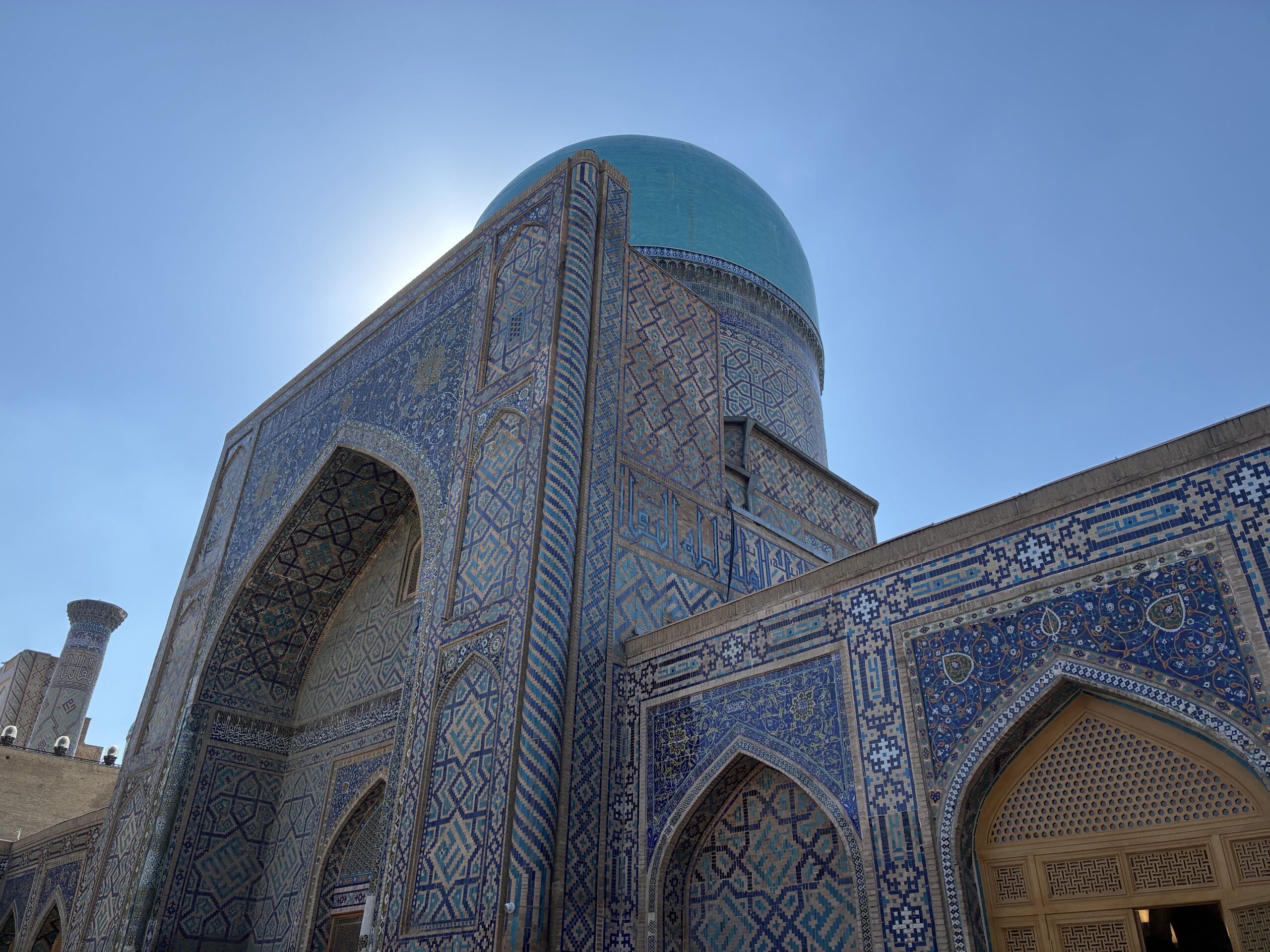
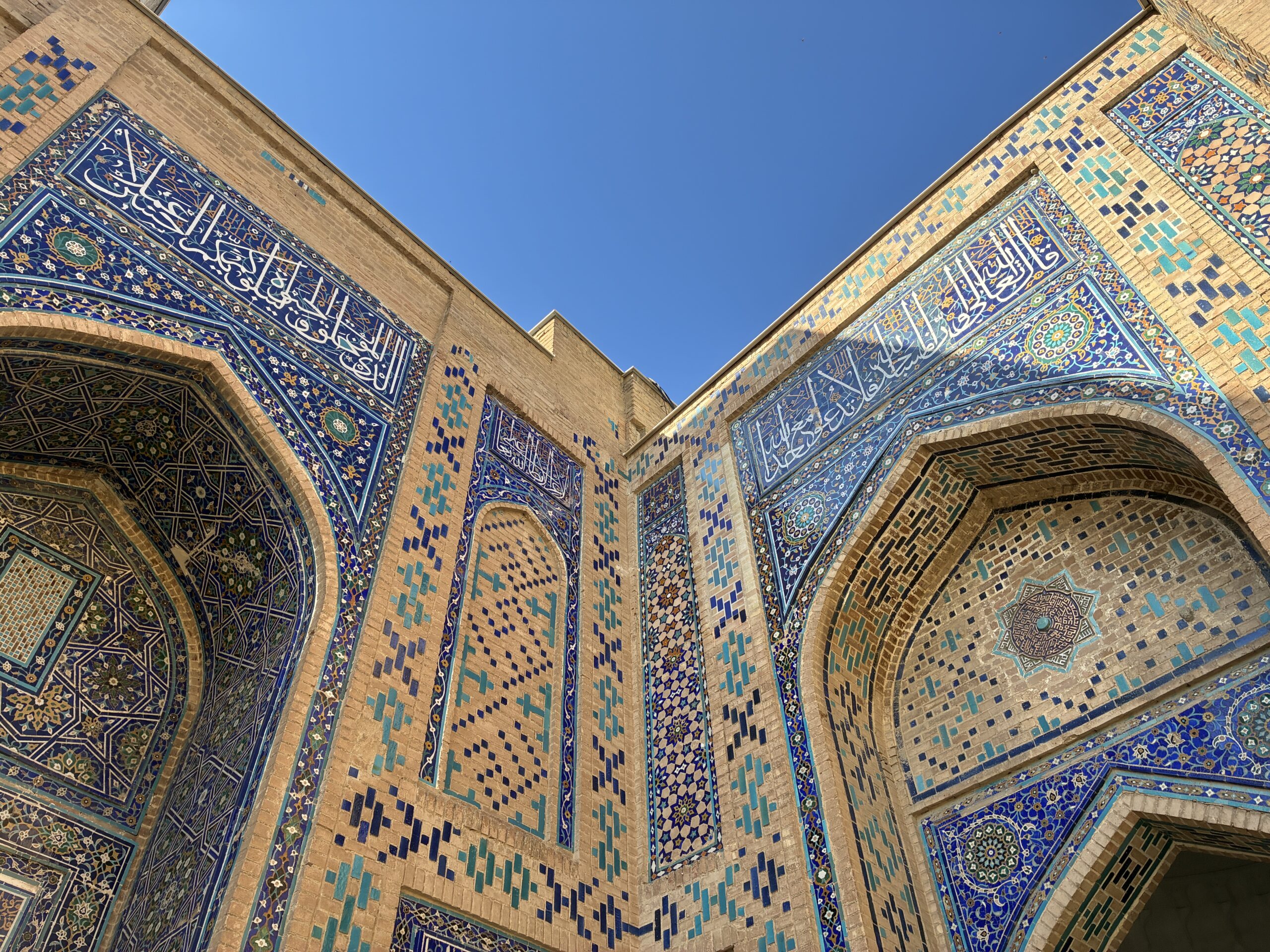
We quickly discovered that there are no tourist shops in Uzbekistan, as all the old madrassas have been converted into little markets for people to sell their wares (that or little museums). So at Registan I (bargained for and) bought a carpet for the living room! I still haven’t put it down, so you’ll have to tune into my Instagram for the big reveal 😉
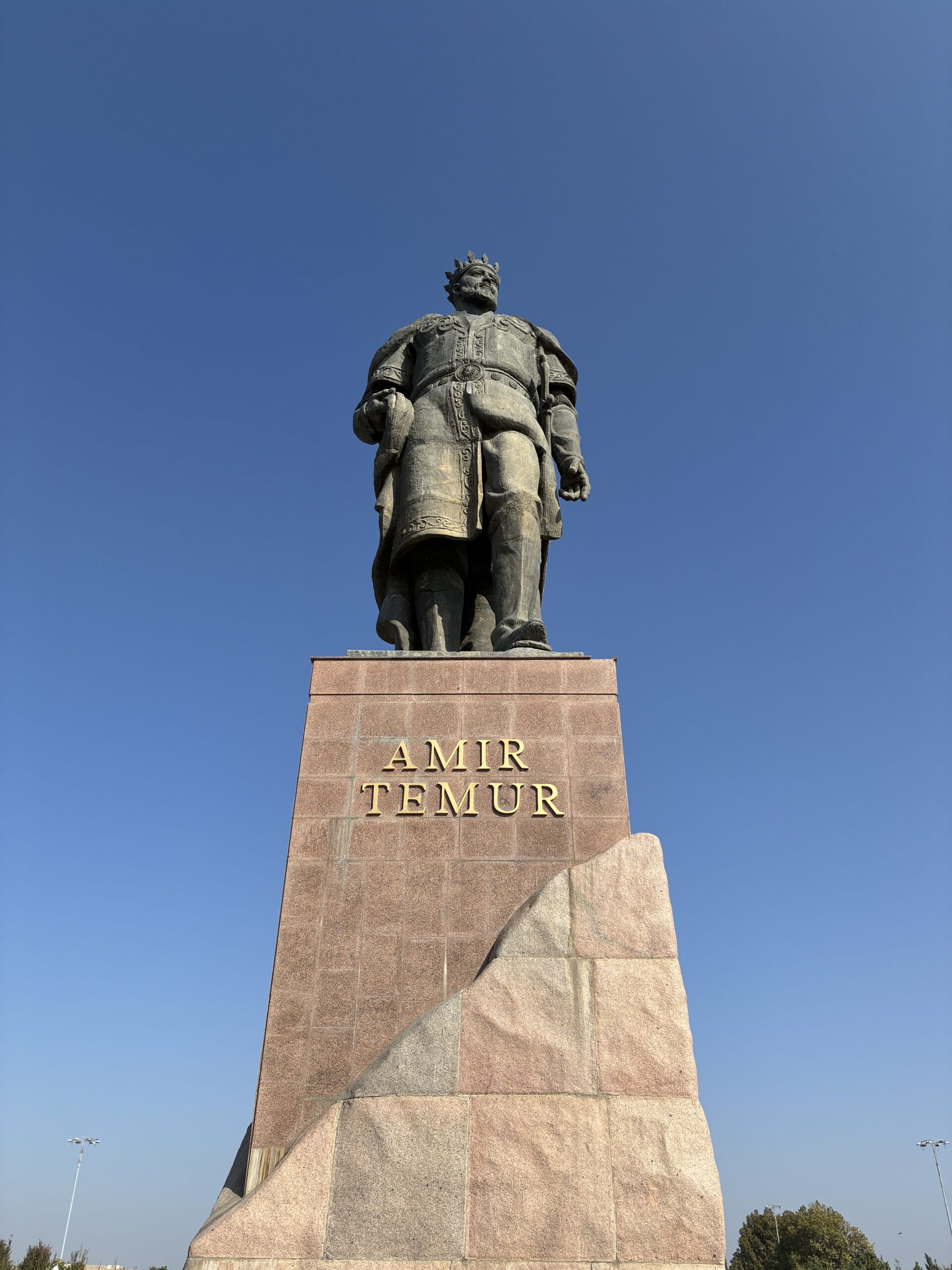
For a day trip from Samarkand, we went to Shahrisabz, where Tamerlane (who kicked Genghis Khan out of Central Asia) was born. They have redone the center, where all the main sites are located, as a park area:
-Statue of Amir Temur (Tamerlane)
Dorut Tilavat complex
-Kok Gumbaz mosque
-Crypt of Tamerlane
-Museum of History and Material Culture
-Shamsuddin Mausoleum
-Dor-Us Siyodat mausoleum
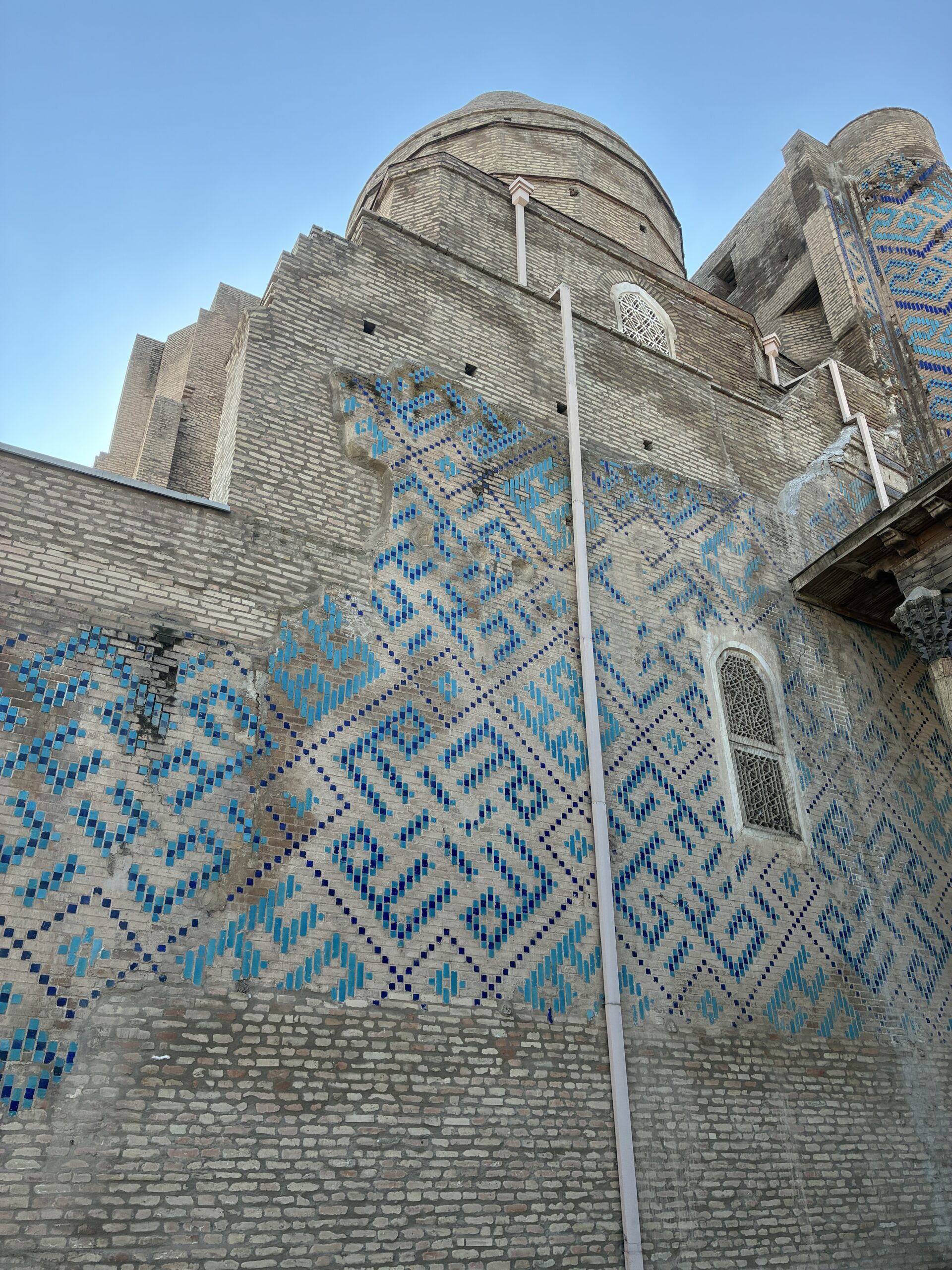
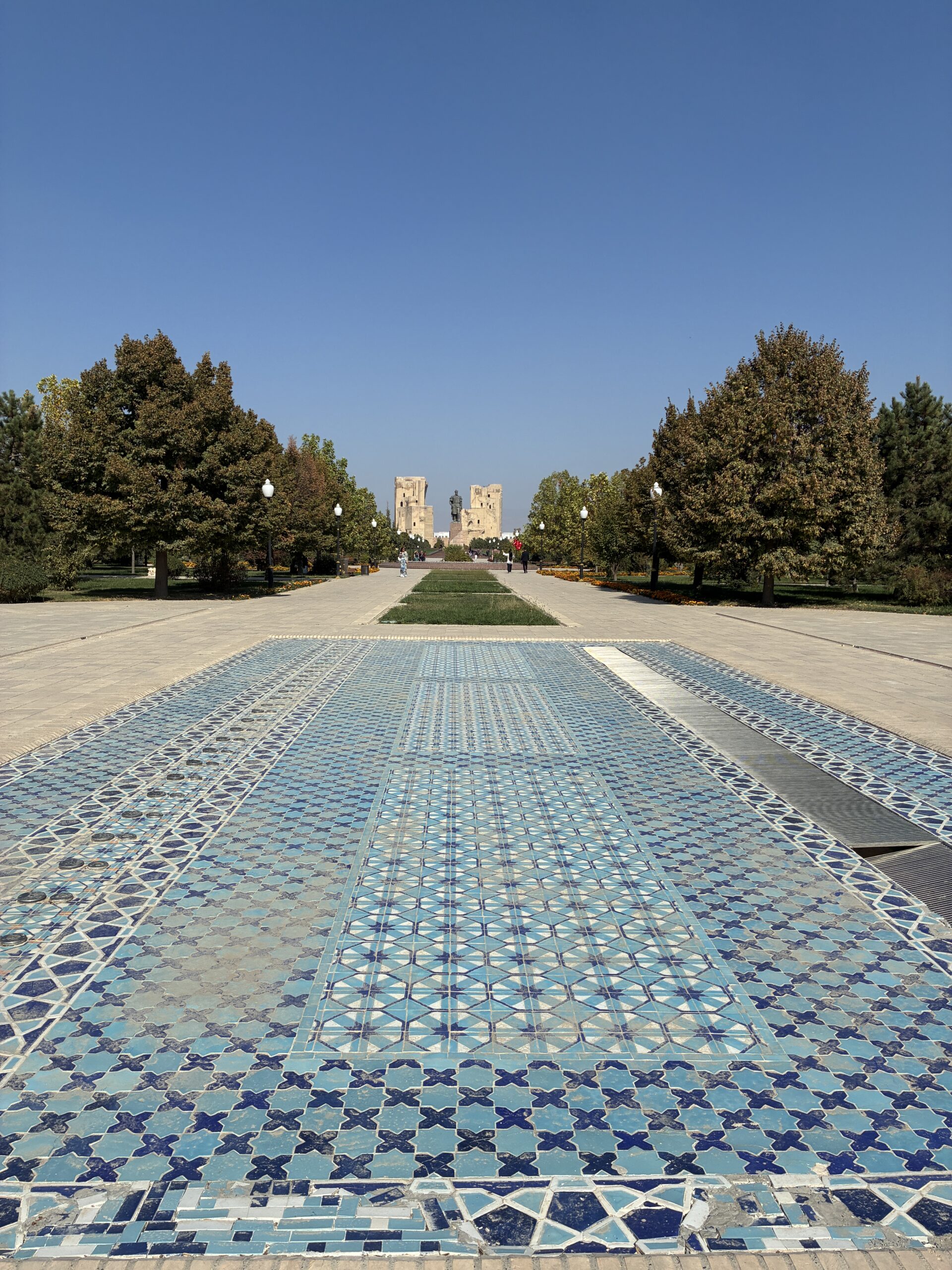
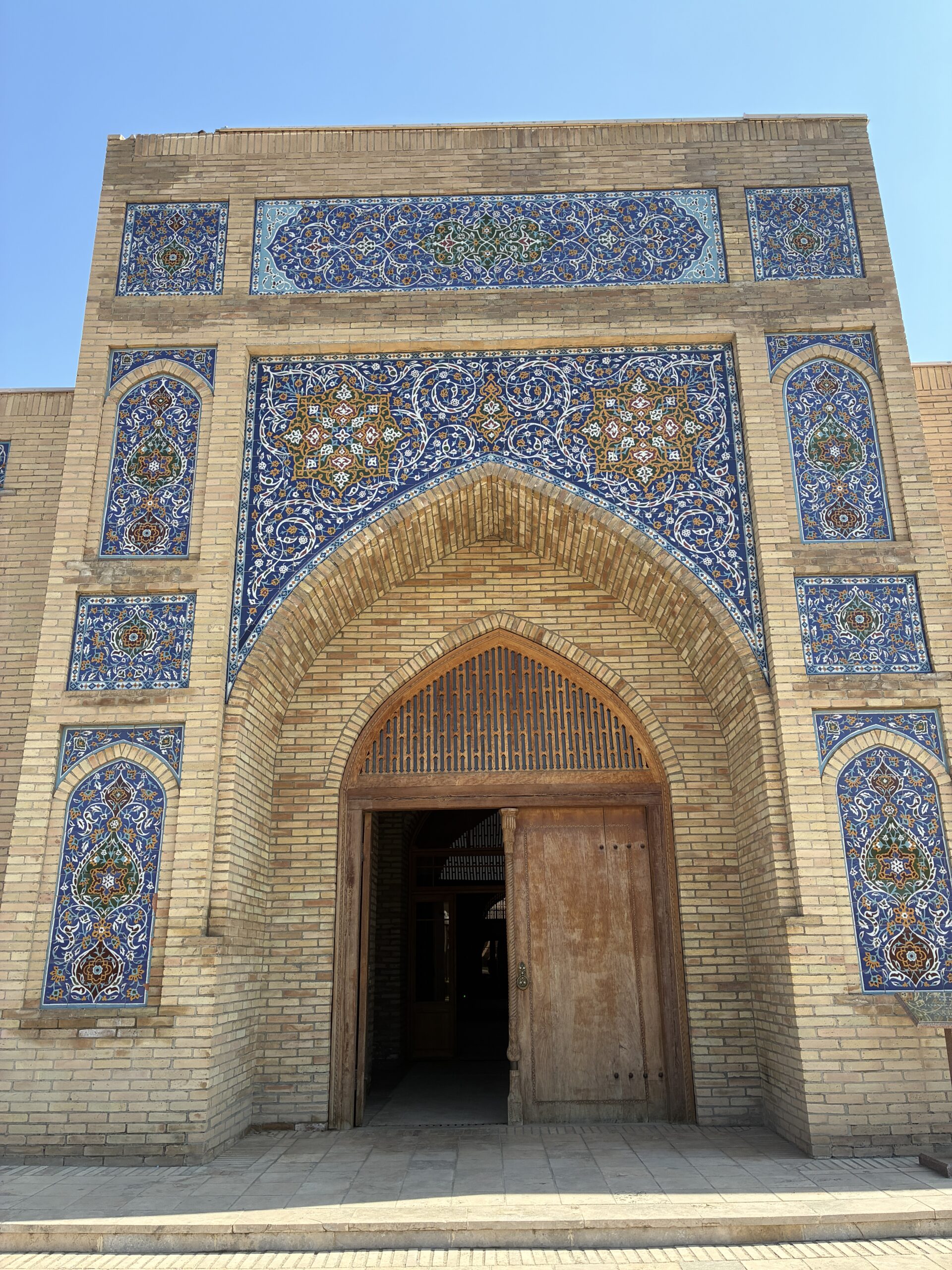
Then came our first sleeper train, which honestly, was awful because of the heat (windows didn’t open at all) and because we were in the public compartment with about 50 other people (we learned for the next one and changed to a semi-private 4-person compartment, which was much more comfortable).
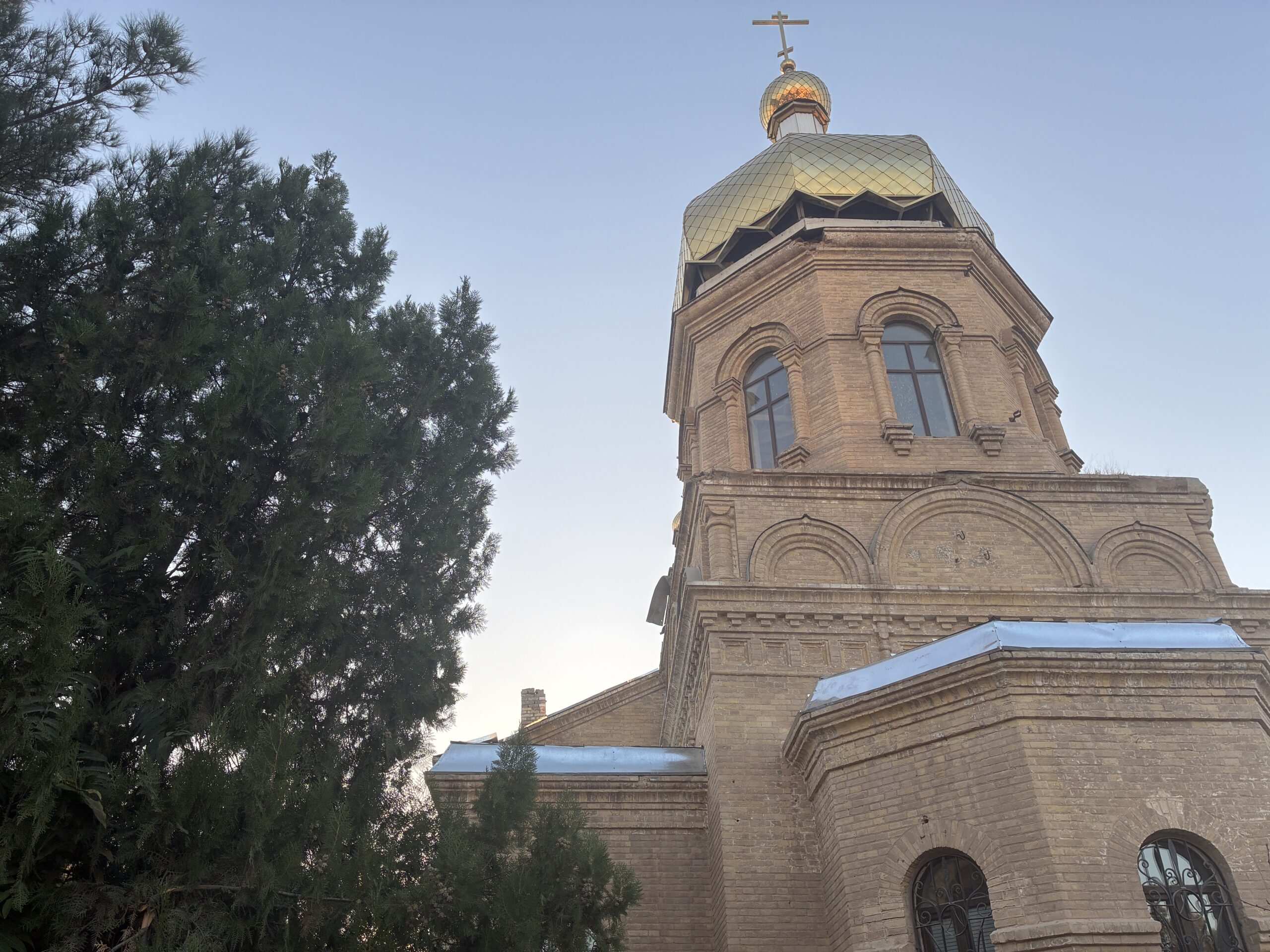
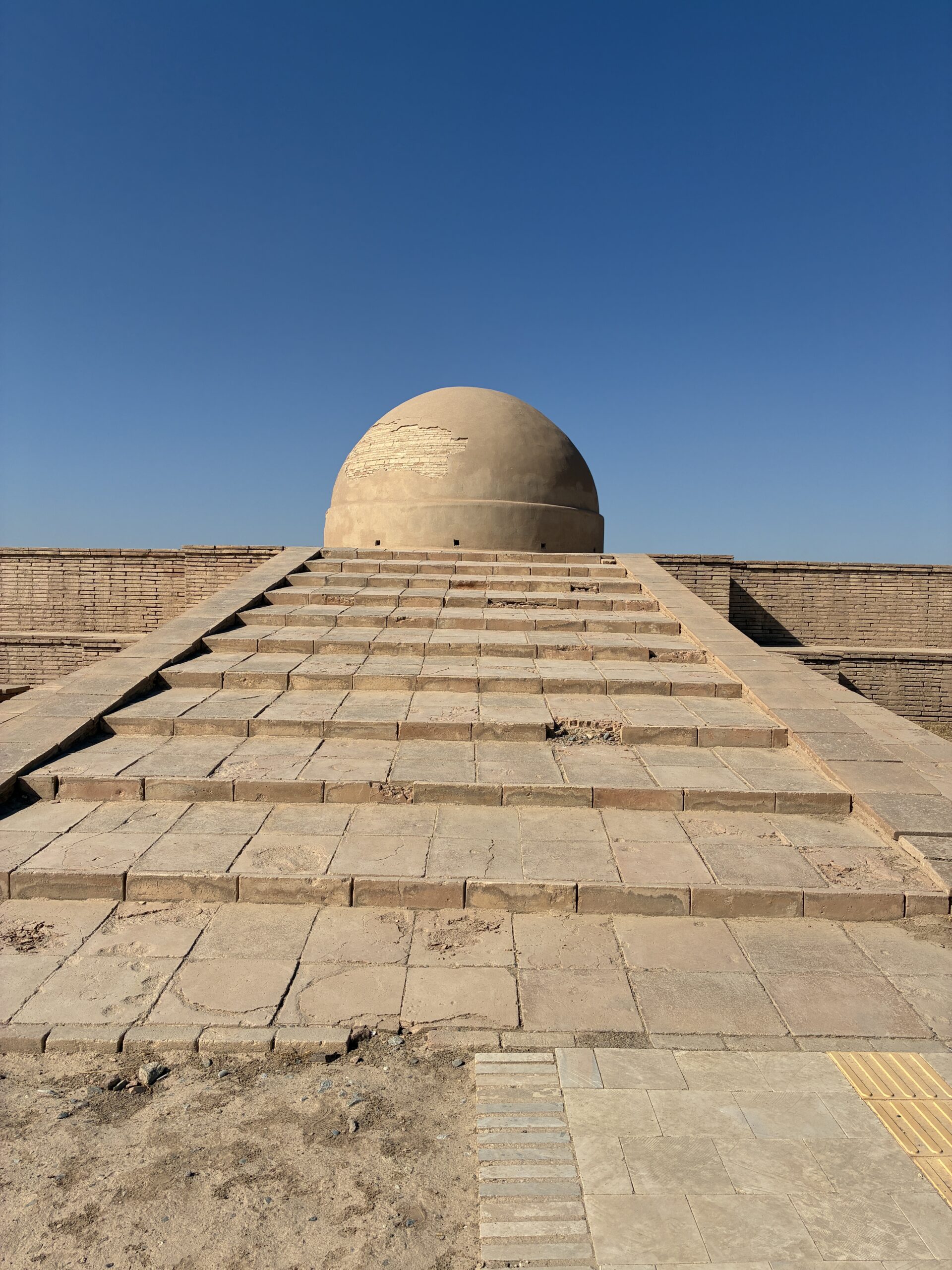
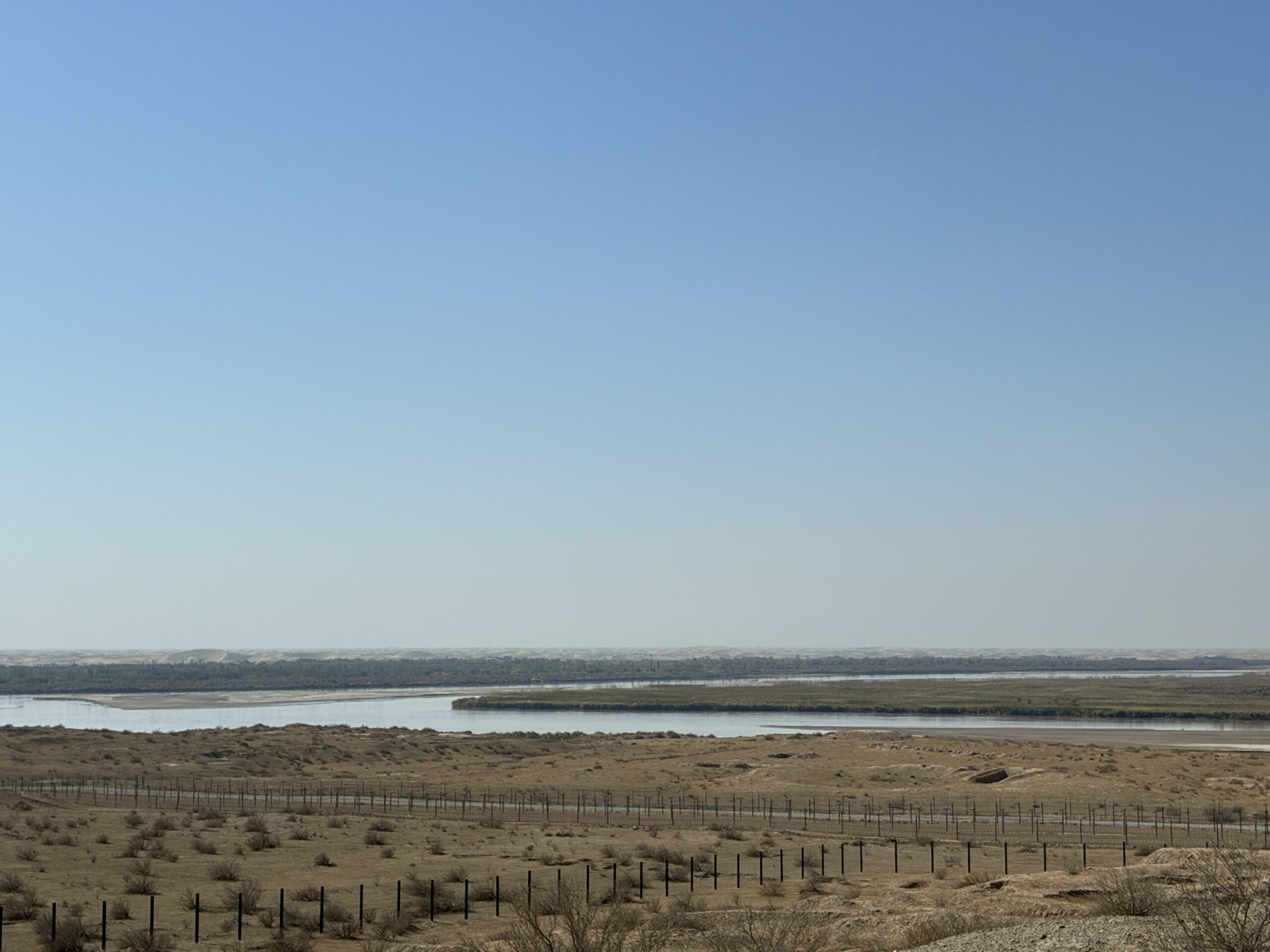
After 10 hours we arrived in Termez, famous for its Buddhists ruins and steppas, and also right across the river from Afghanistan (see how close!). Besides the Buddhist ruins of Kara Tepe and Fayaz Tepe, which were tremendously interesting, we went to the main park, the archaeological museum, and the Alexander Nevsky cathedral, in an extreme state of disrepair (I’m sure there is a story there).
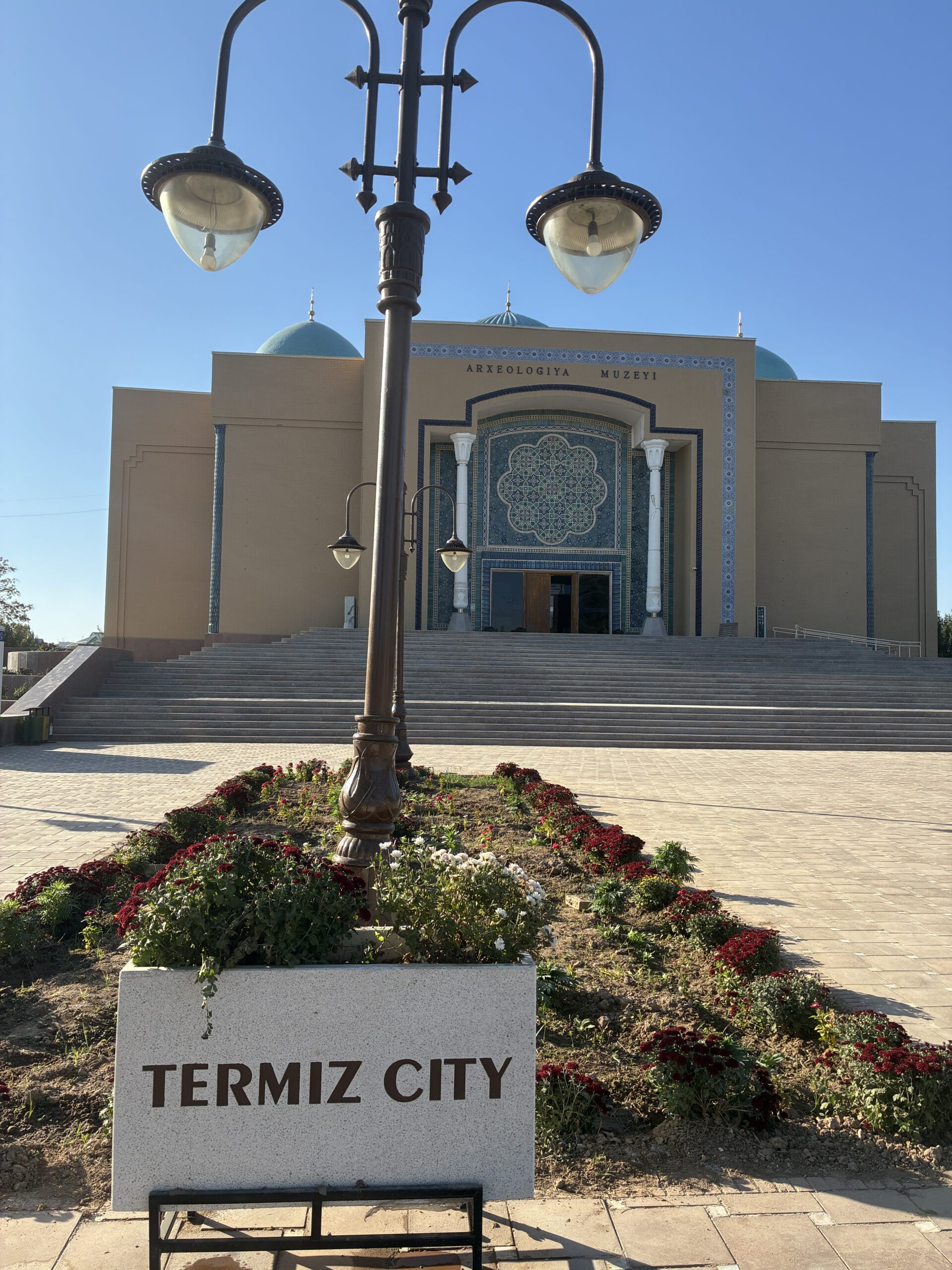
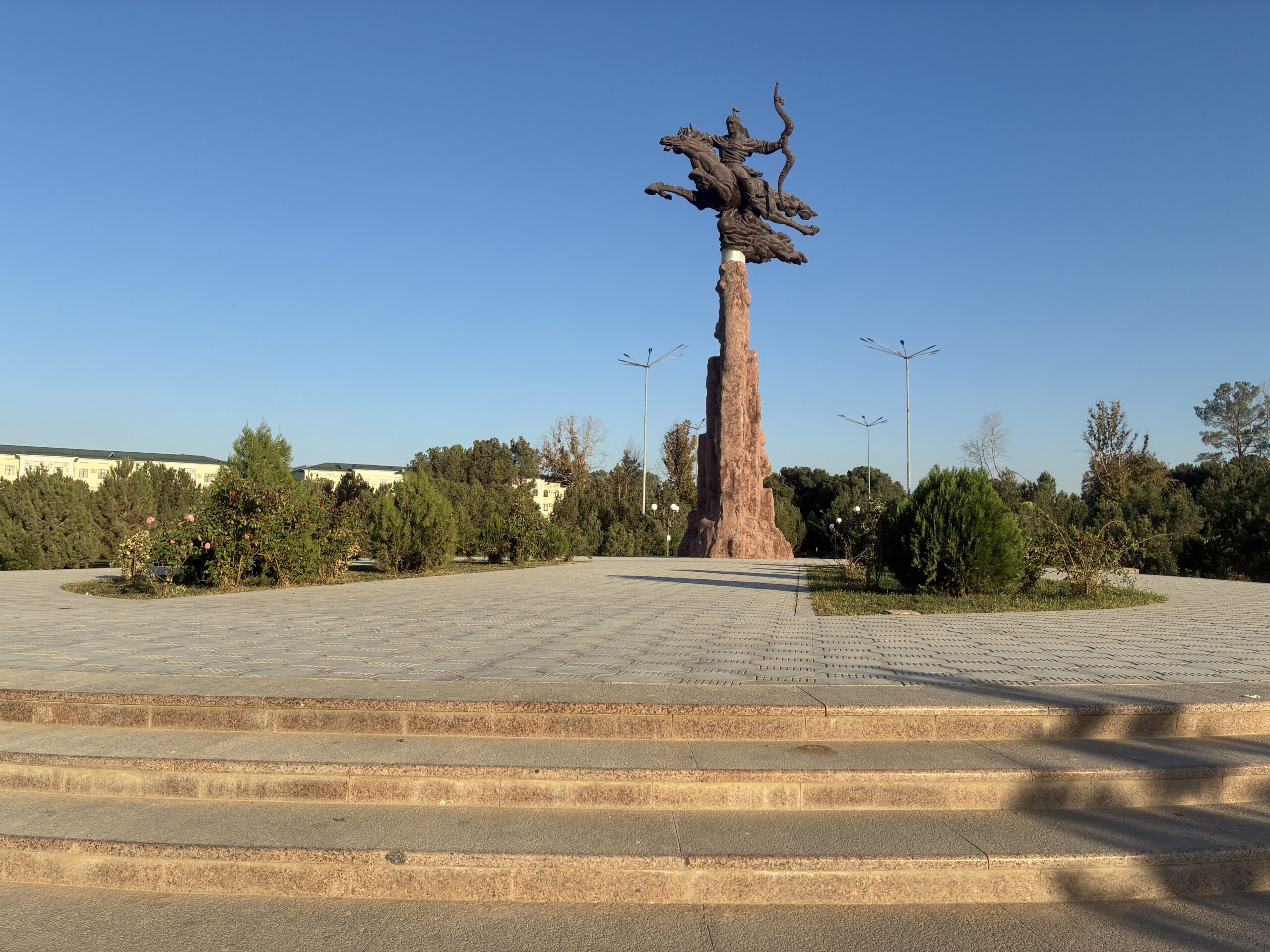
We spent 1.5 days there before getting on another sleeper train back to Samarkand, then a 3-hour train to Bukhara. The nice thing about Bukhara when compared to Samarkand is that we could walk everywhere! In Samarkand everything was spaced pretty far away and we had to rely on the Uzbek version of Uber to get everywhere, which took a lot of time.
Main places in Bukhara:
-Arq of Bukhara (old fortress)
-Tower of Bhukara
-Chor Minor monument
-Bolo Hauz Mosque
-Ulugbek and Abdulaziz Khan madrassas
-Kalyan Minaret
-Nodir Devonbegi and Kokaldash madrassas
-Magoki Attori mosque
There were also five tokis, or mini-markets, located all around the city so you did not have to depend on entering a madrassa to find things to buy.
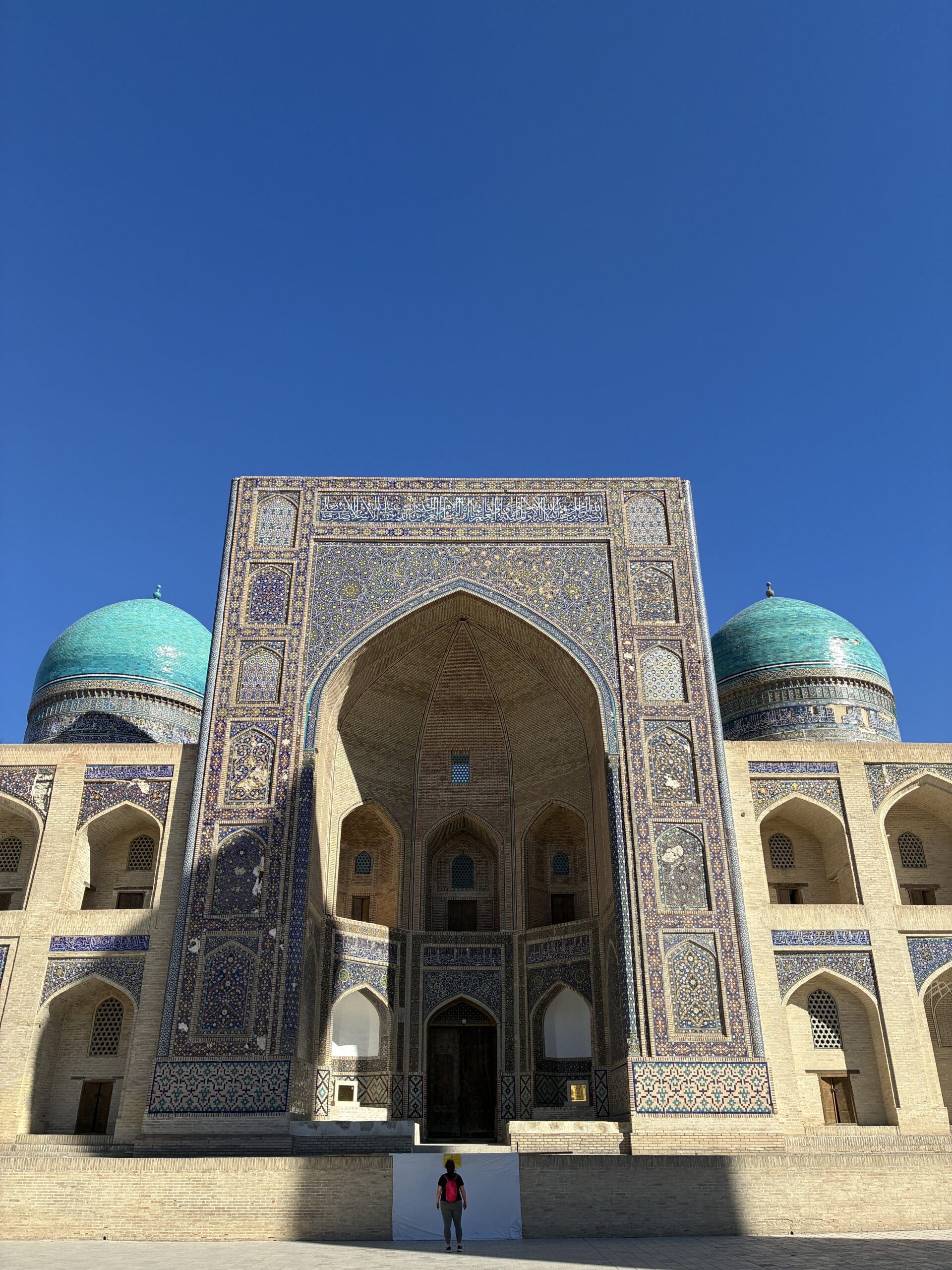
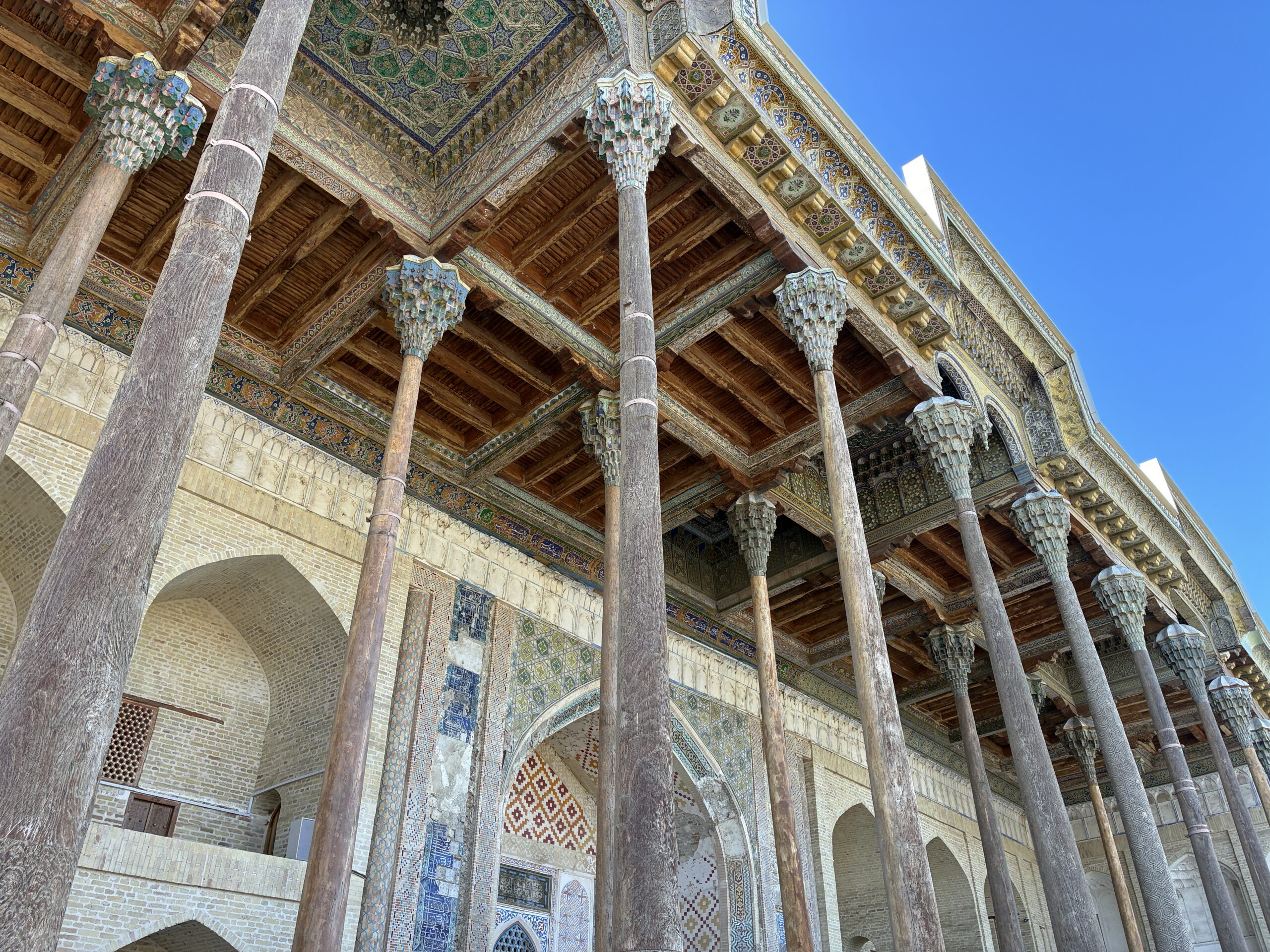
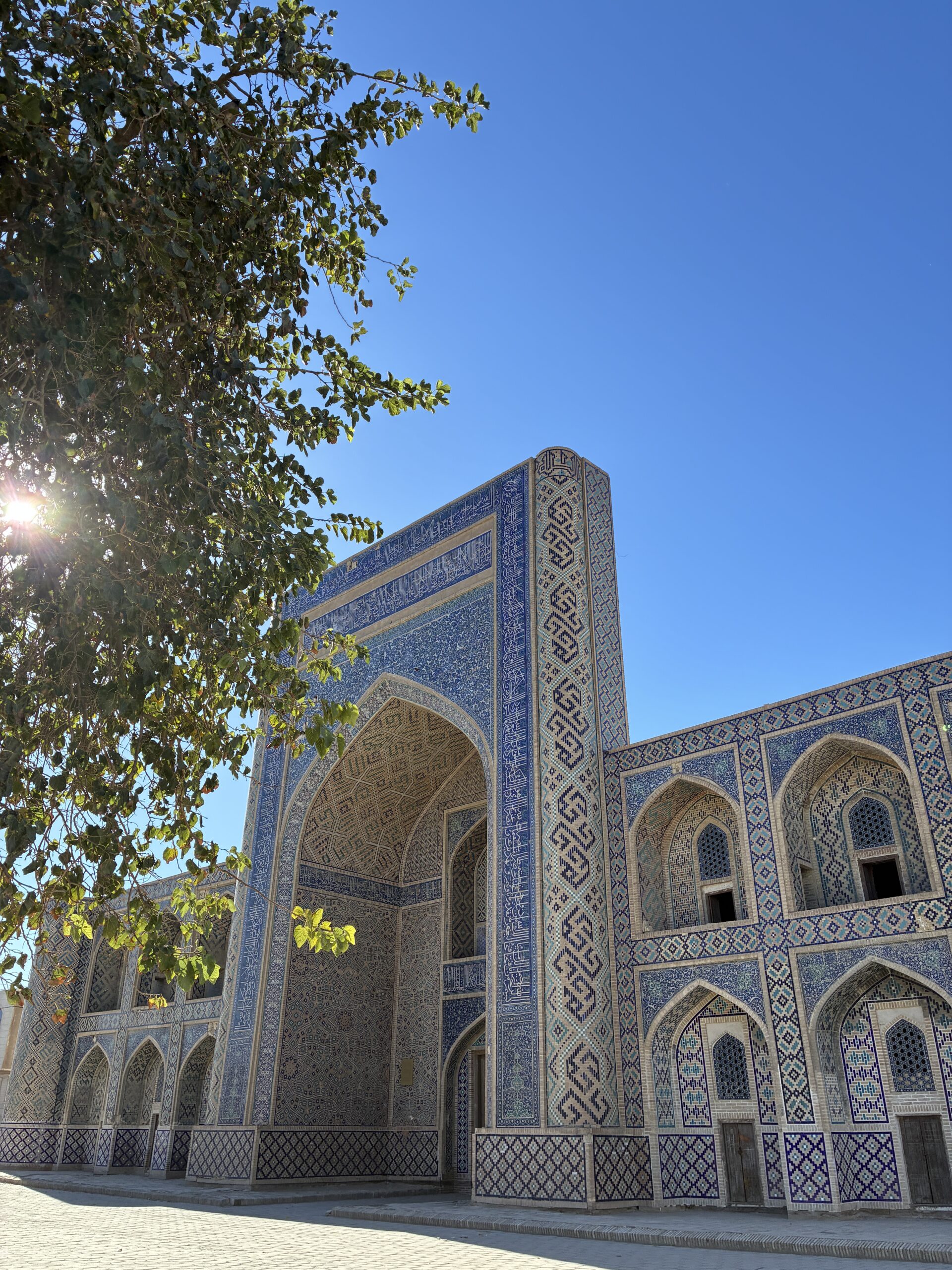
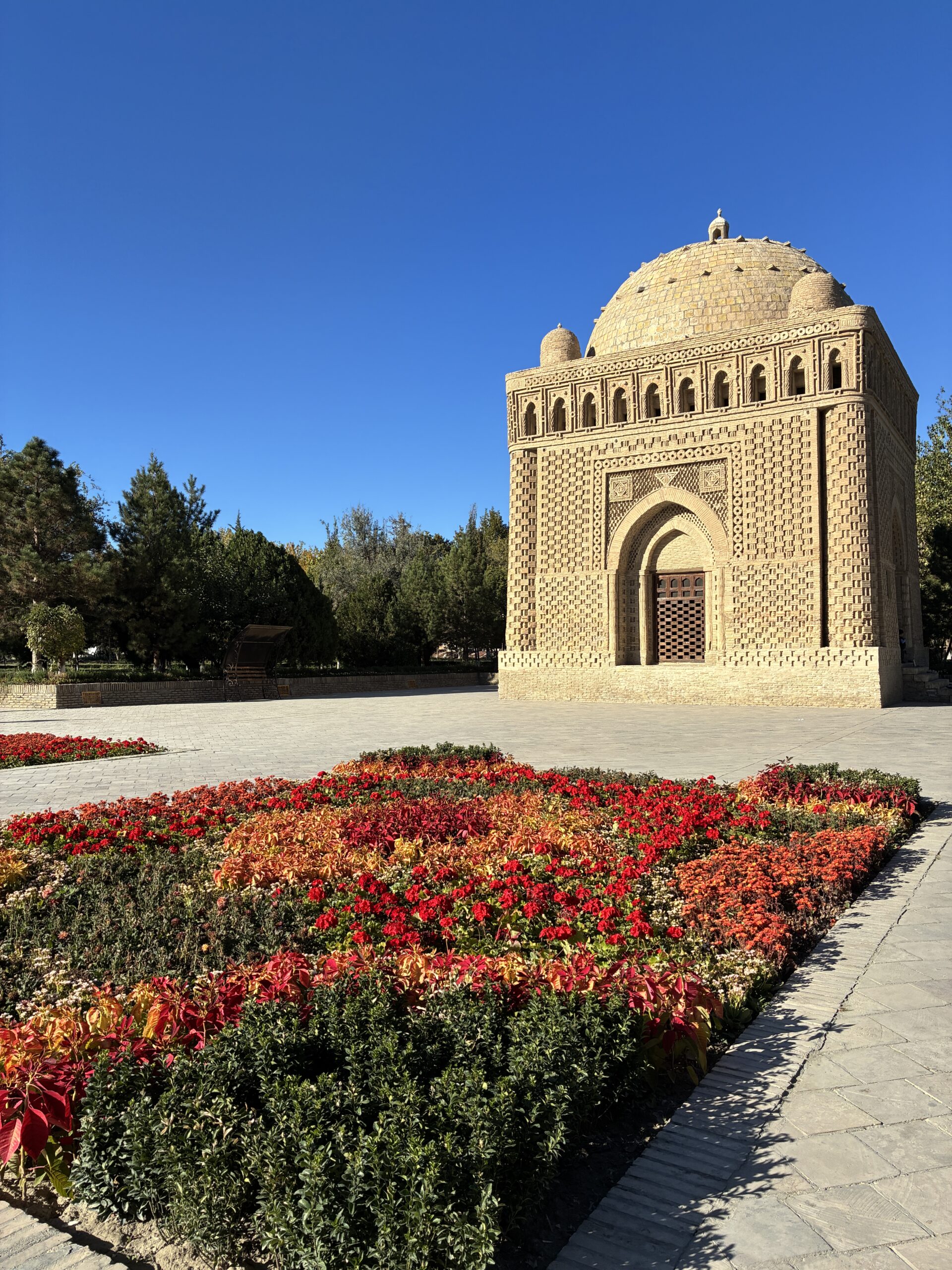
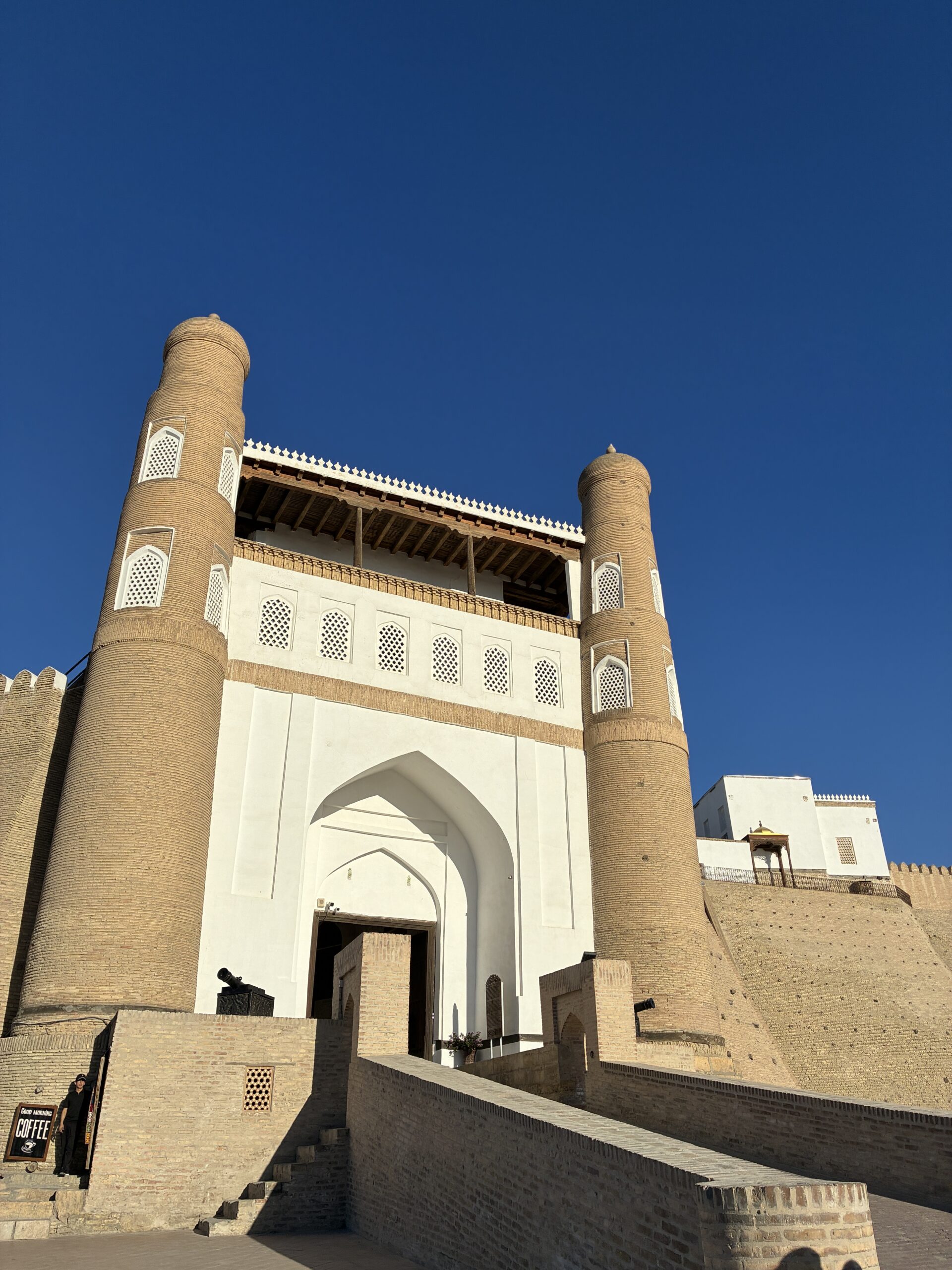
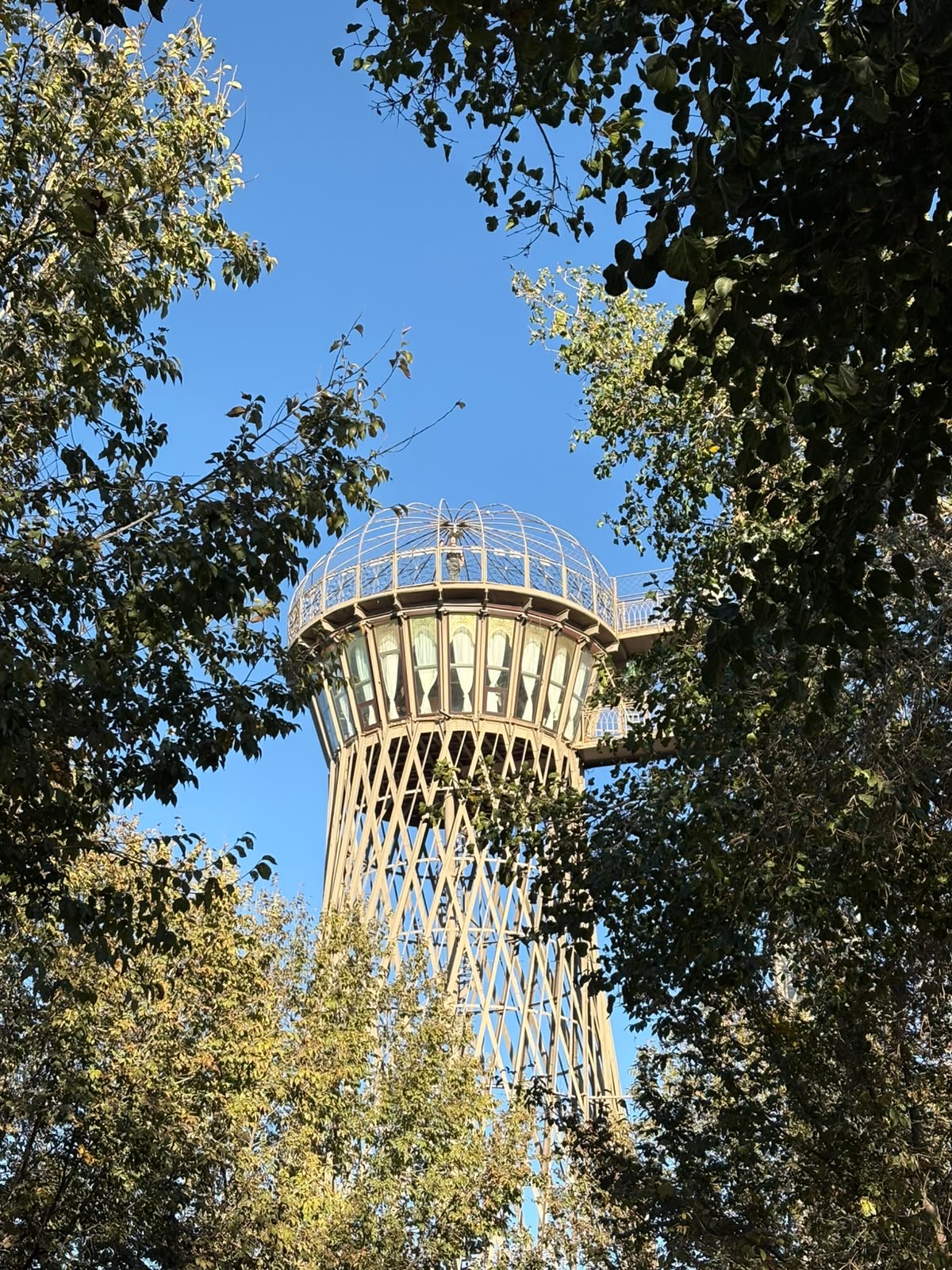
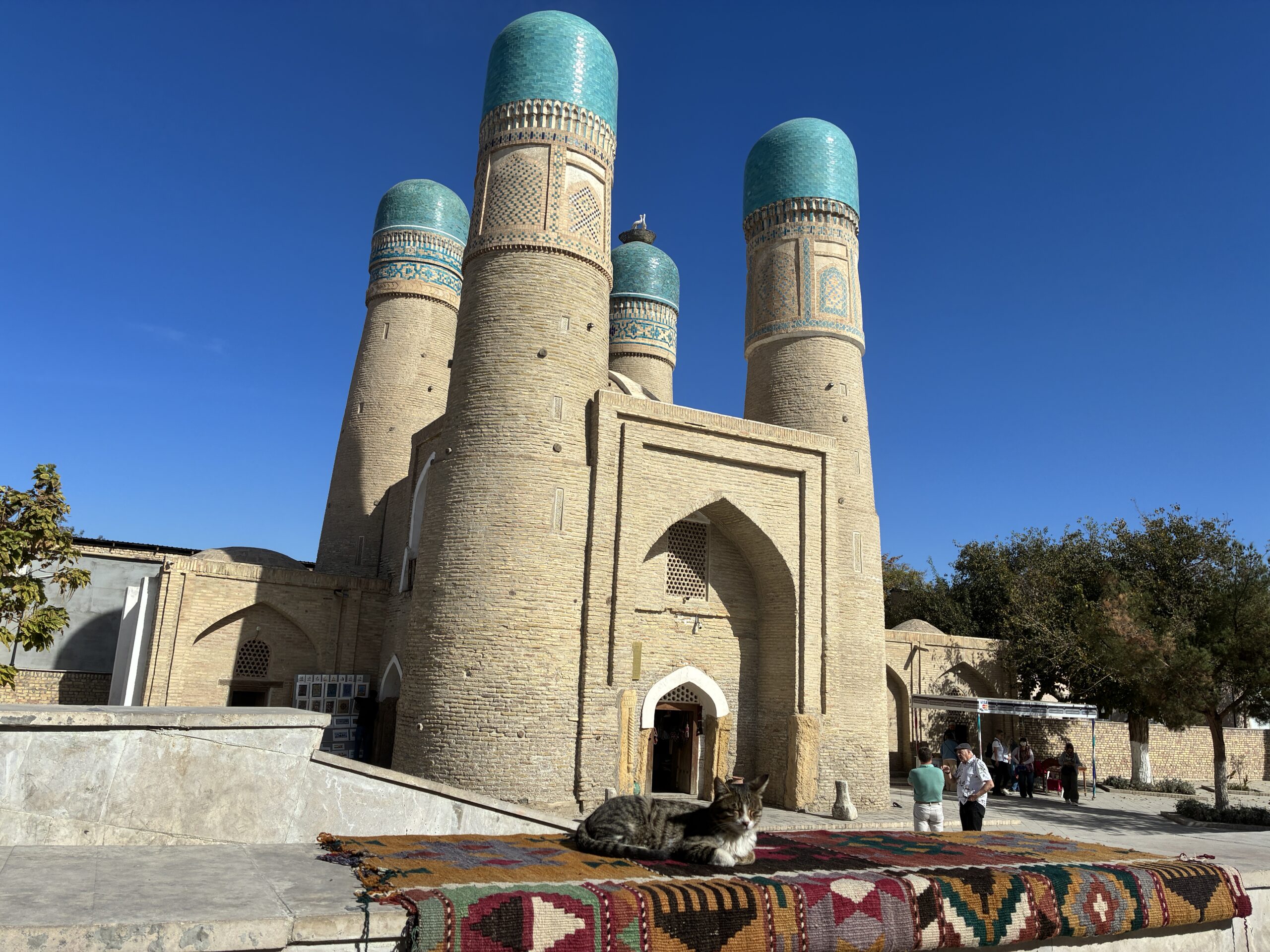
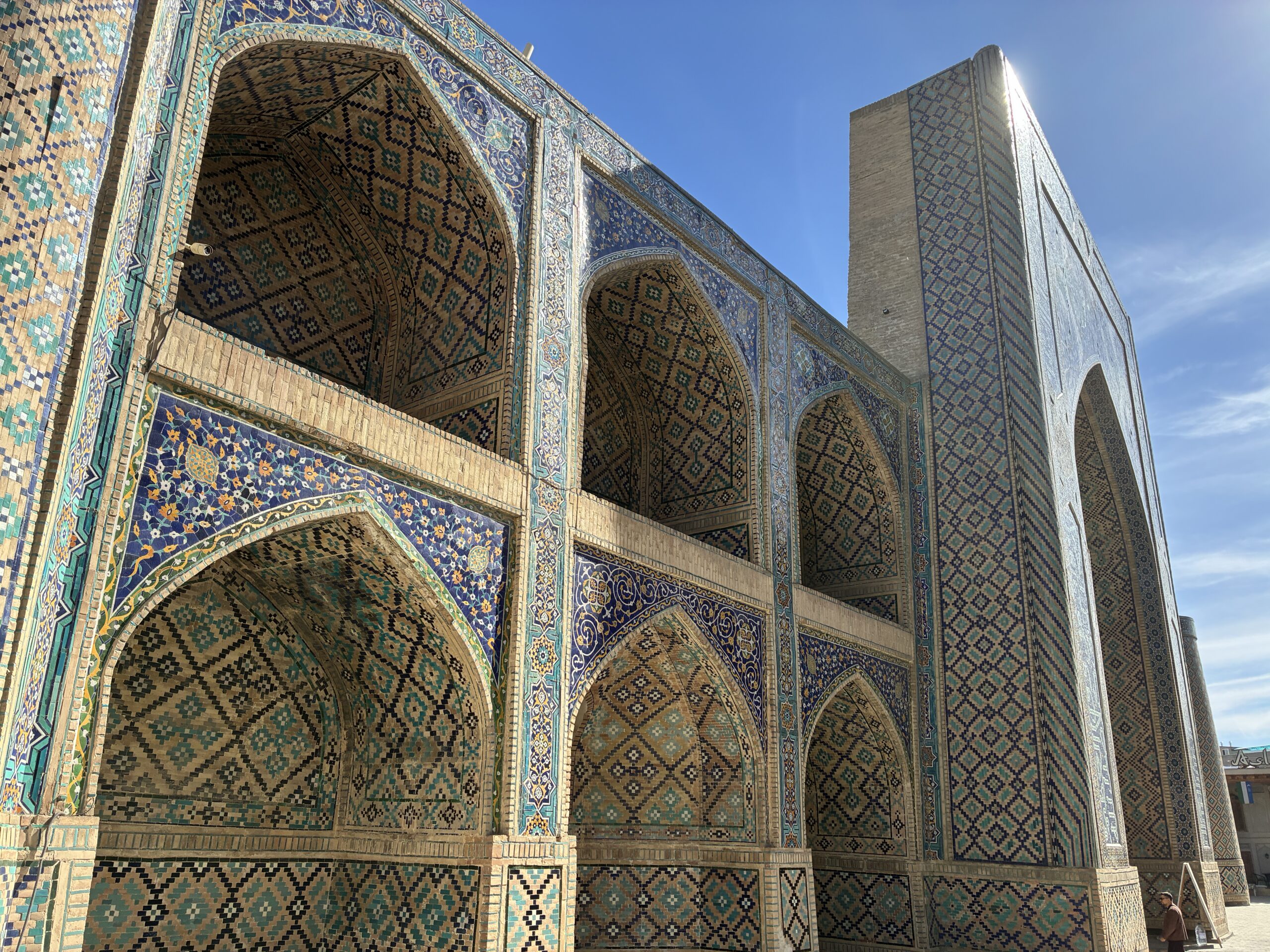
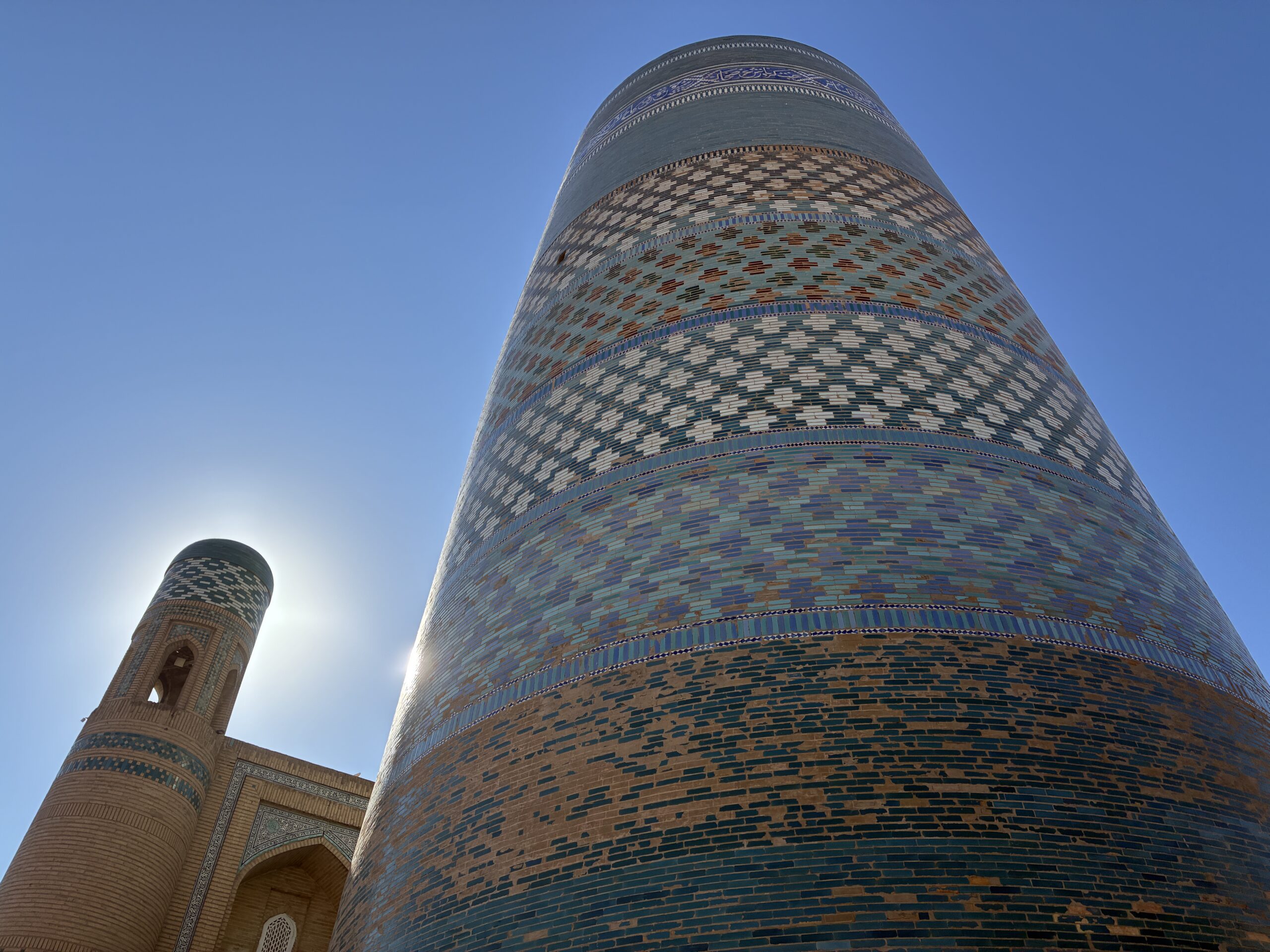
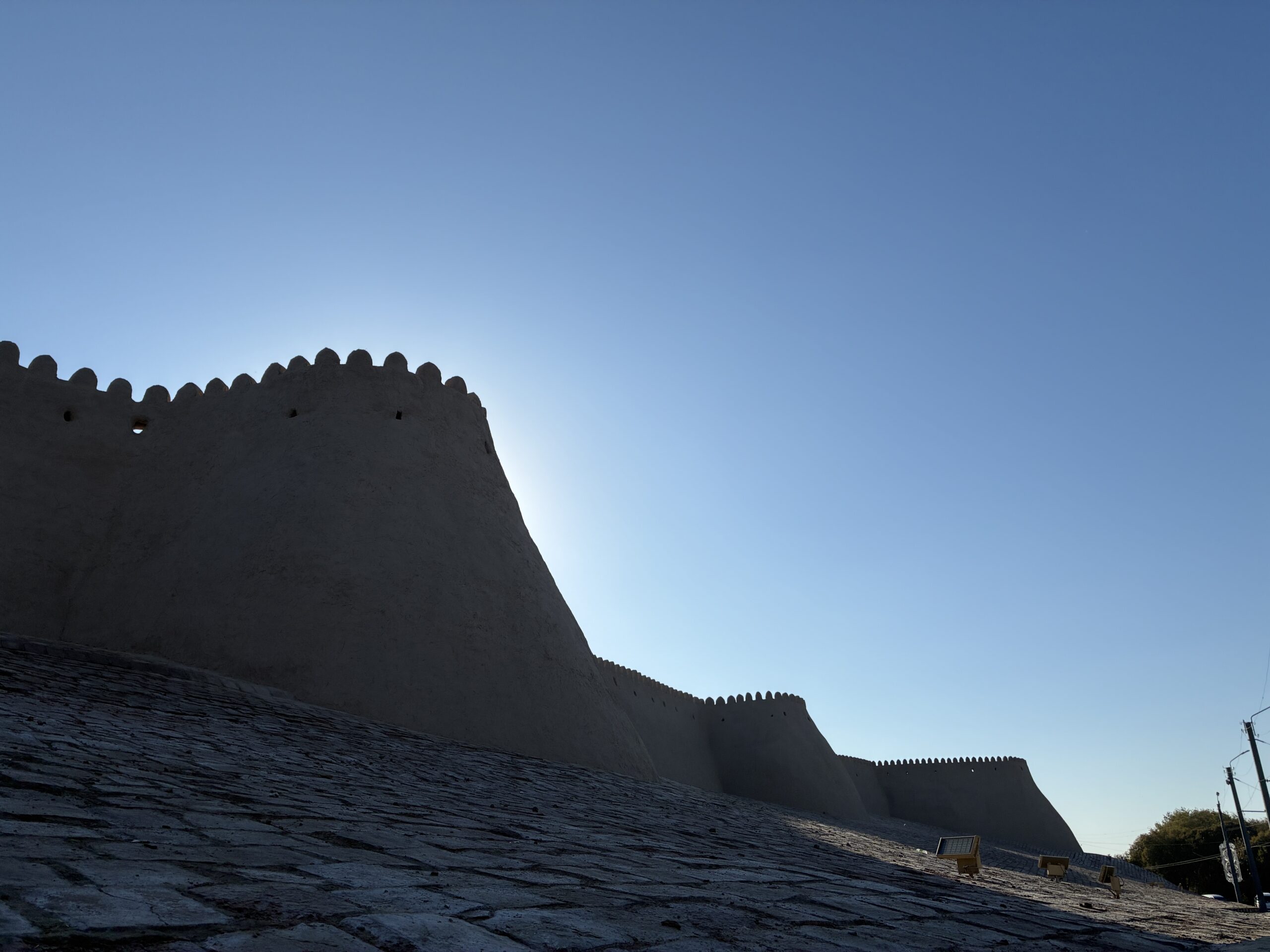
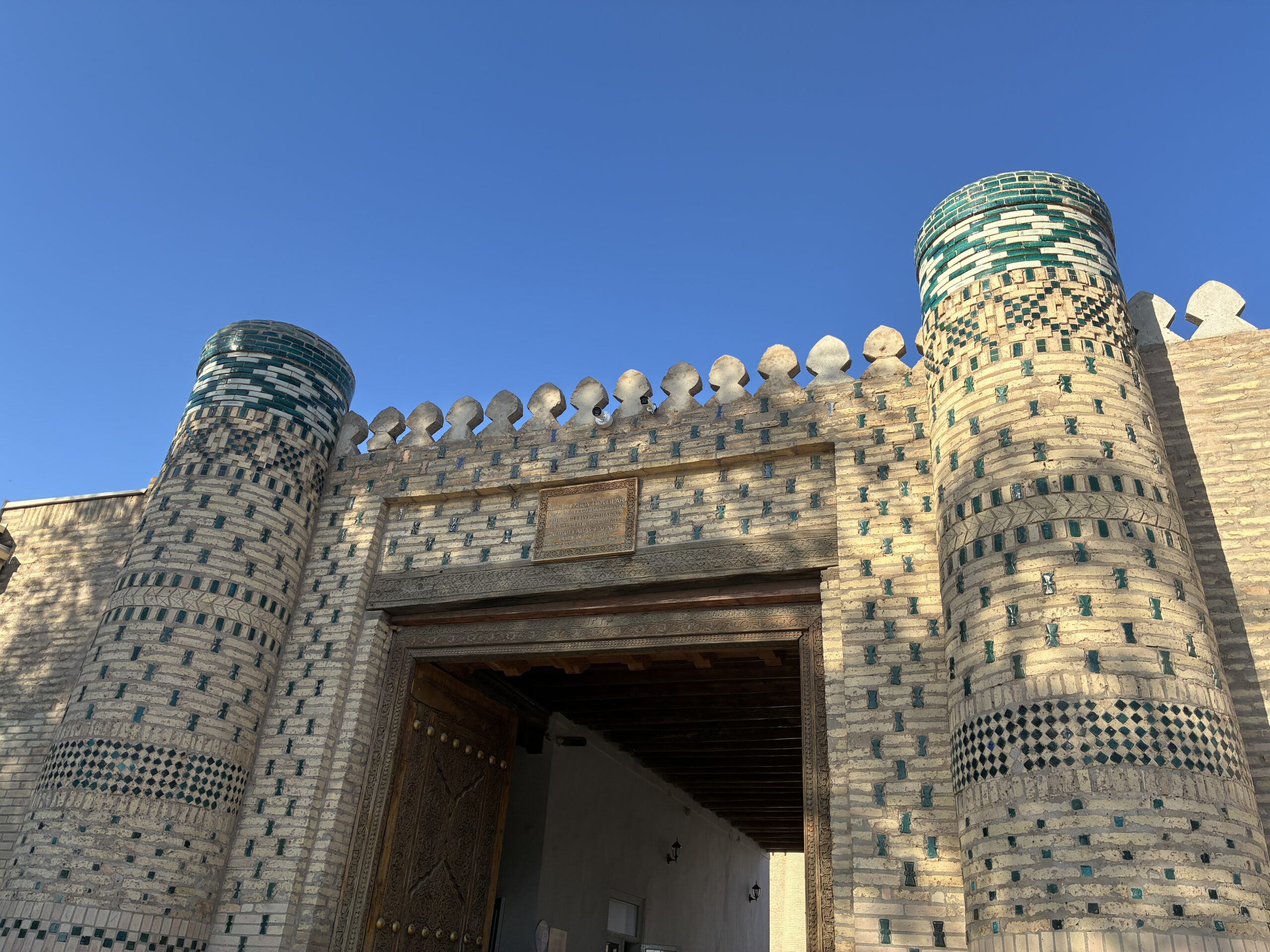
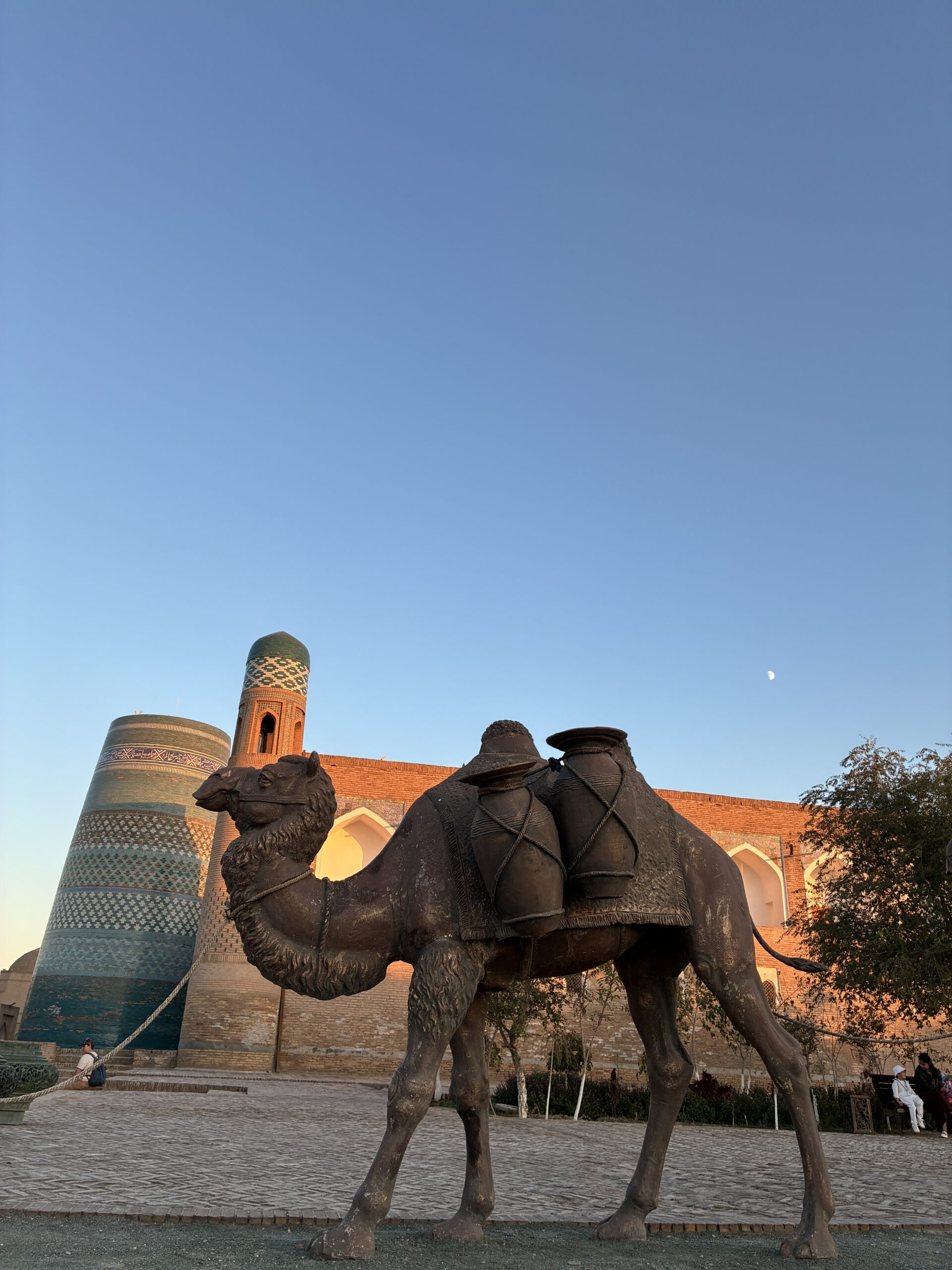
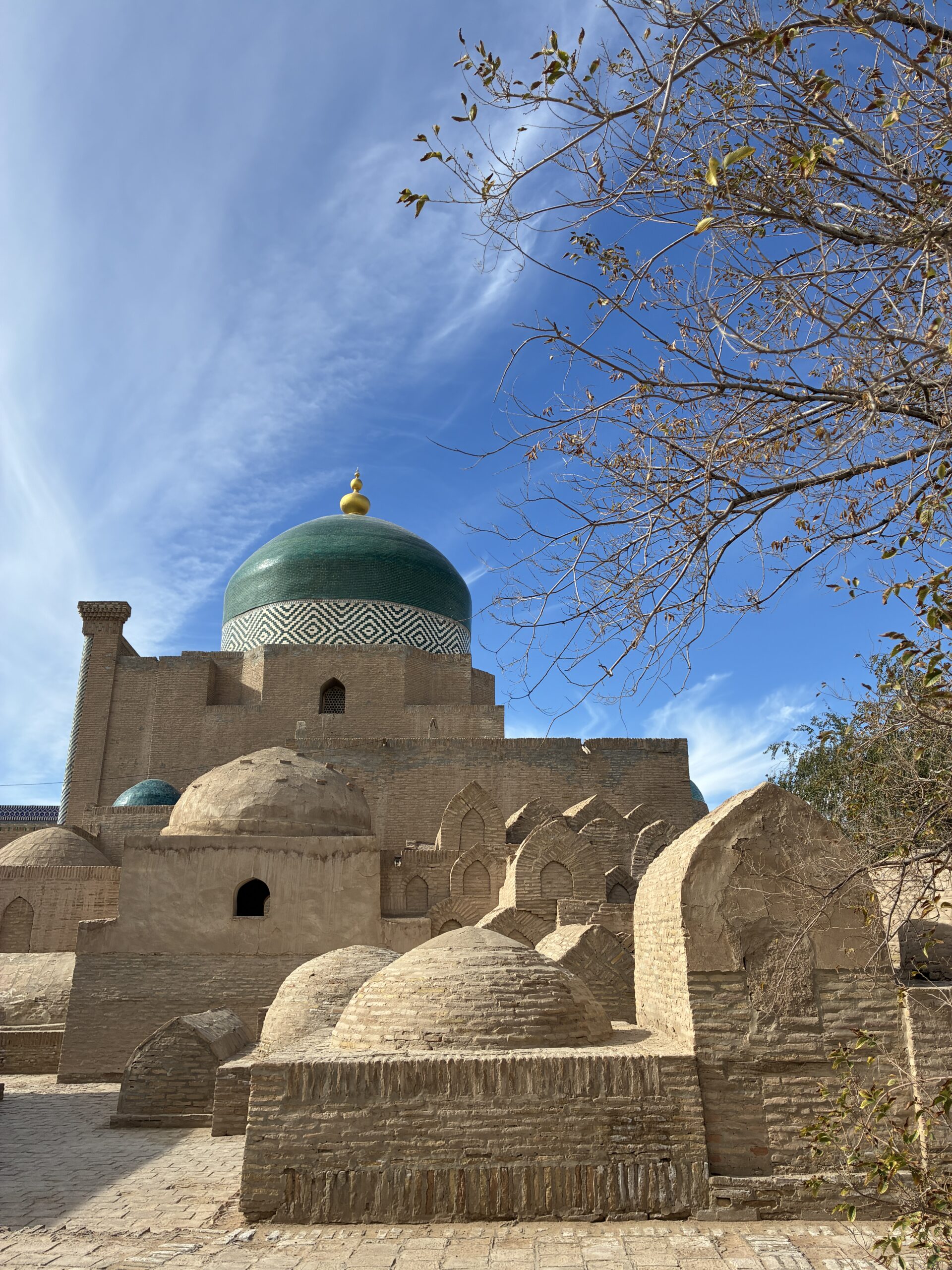
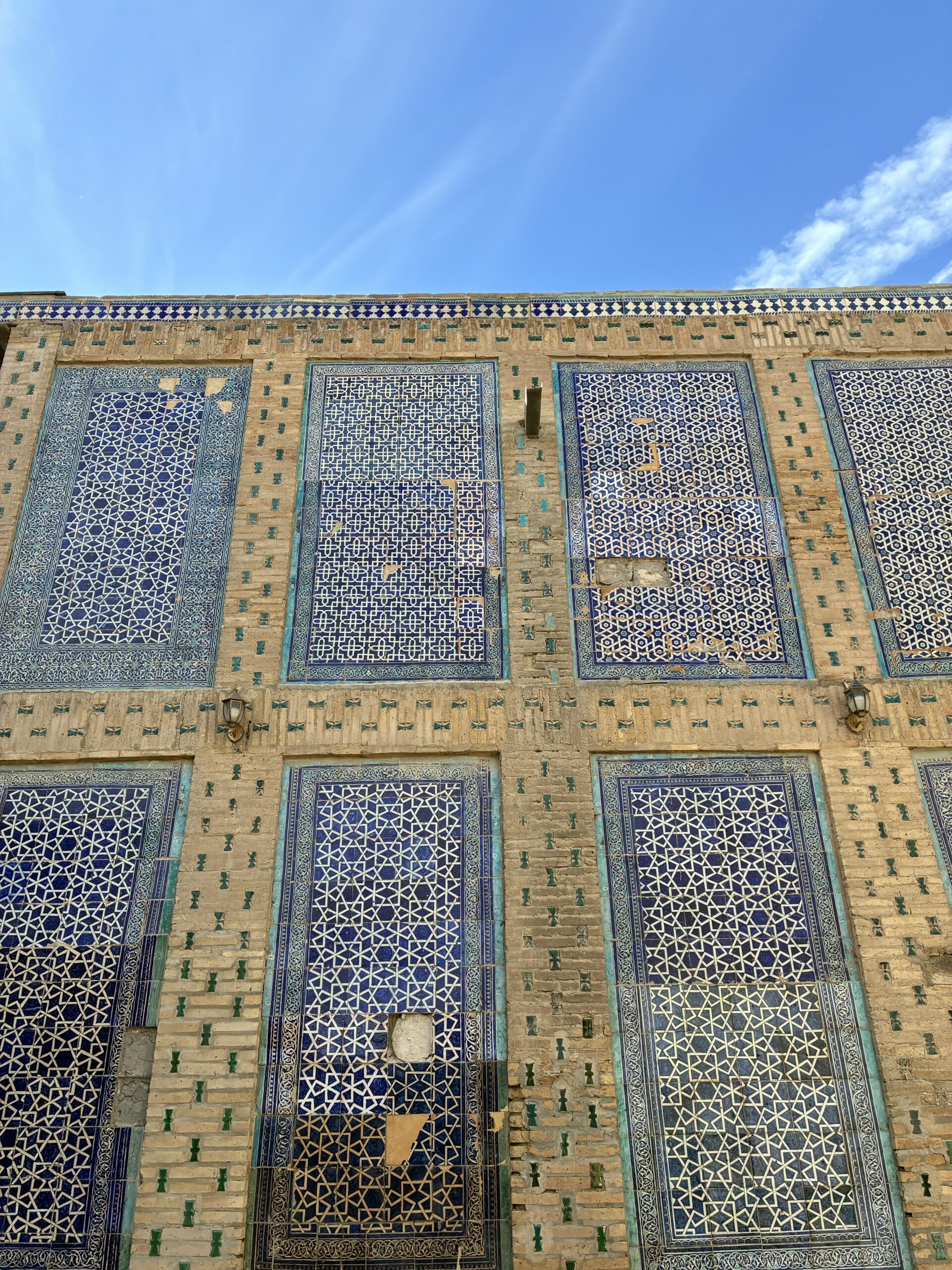
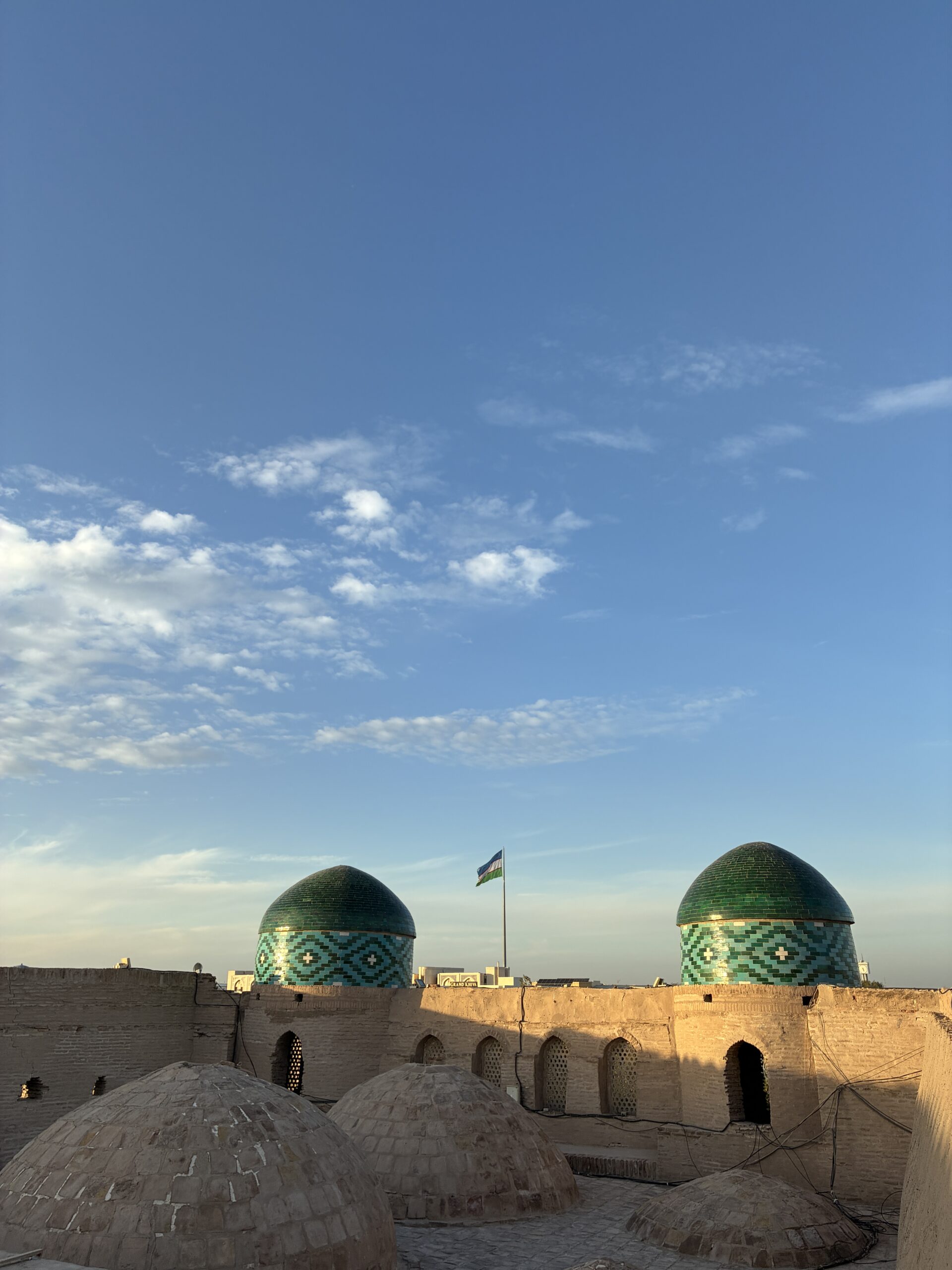
Next was a 7-hour day time train to Khiva, which turned out to be the last hours of the sleeper train from Tashkent (lol soooo hot once again!). Khiva was also walkable, which was lovely, and we spent 2 days there as well. There was tons to see, but it was doable in the time we had:
-Ichan Kala west gate, Kunha ark
-Old city walls
-Toshhovli Palace
-Islam Khoja Minaret and madrassa
-Nurullaboy Palace
-Pahlavan Mahmoud mausoleum
-Museum of Applied Arts
-Amir Tura and Qozi Kalon madrassas
-Allakuli Khan and Muhammad Rahim Khan madrassas
-Juma mosque
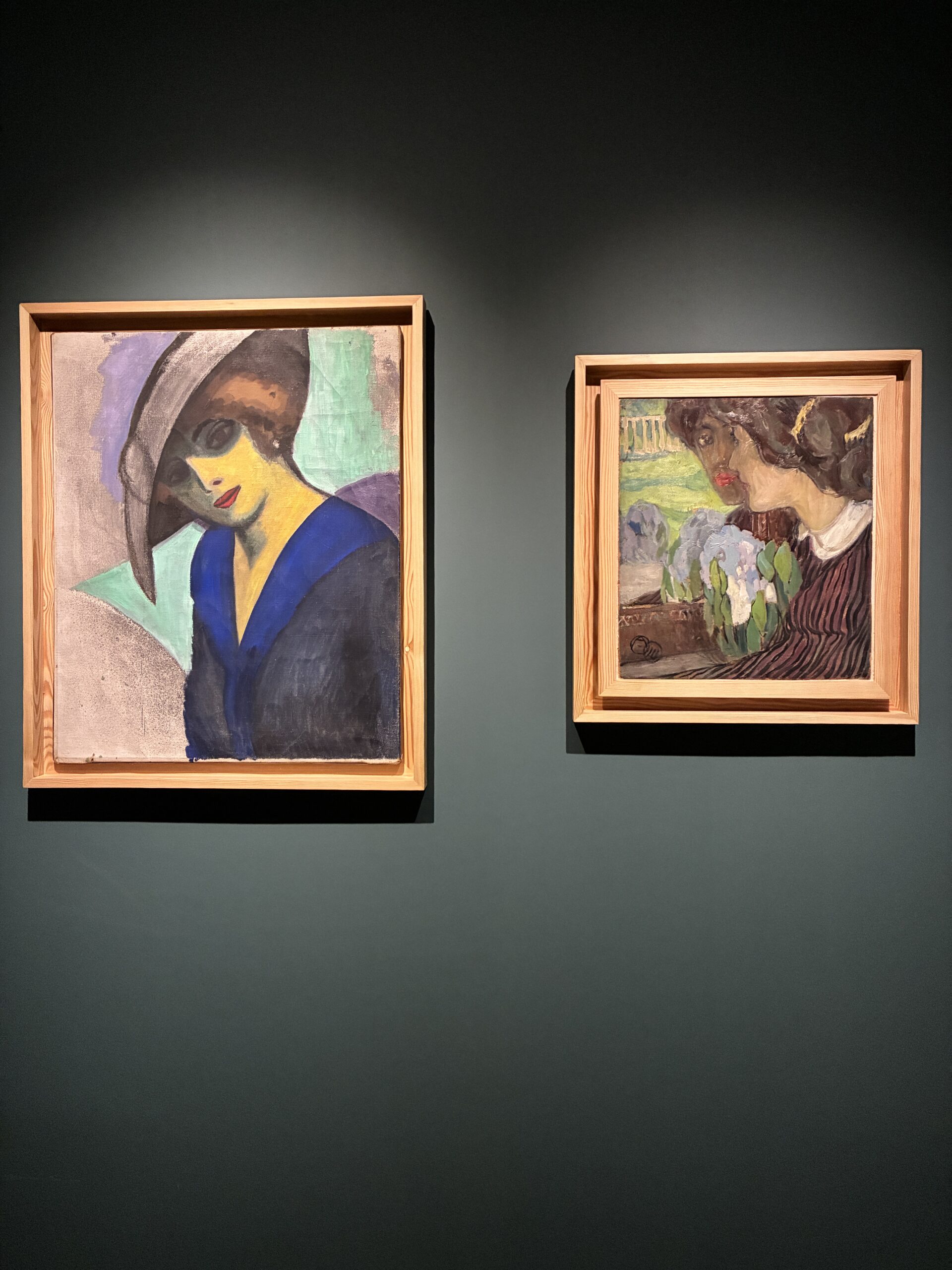
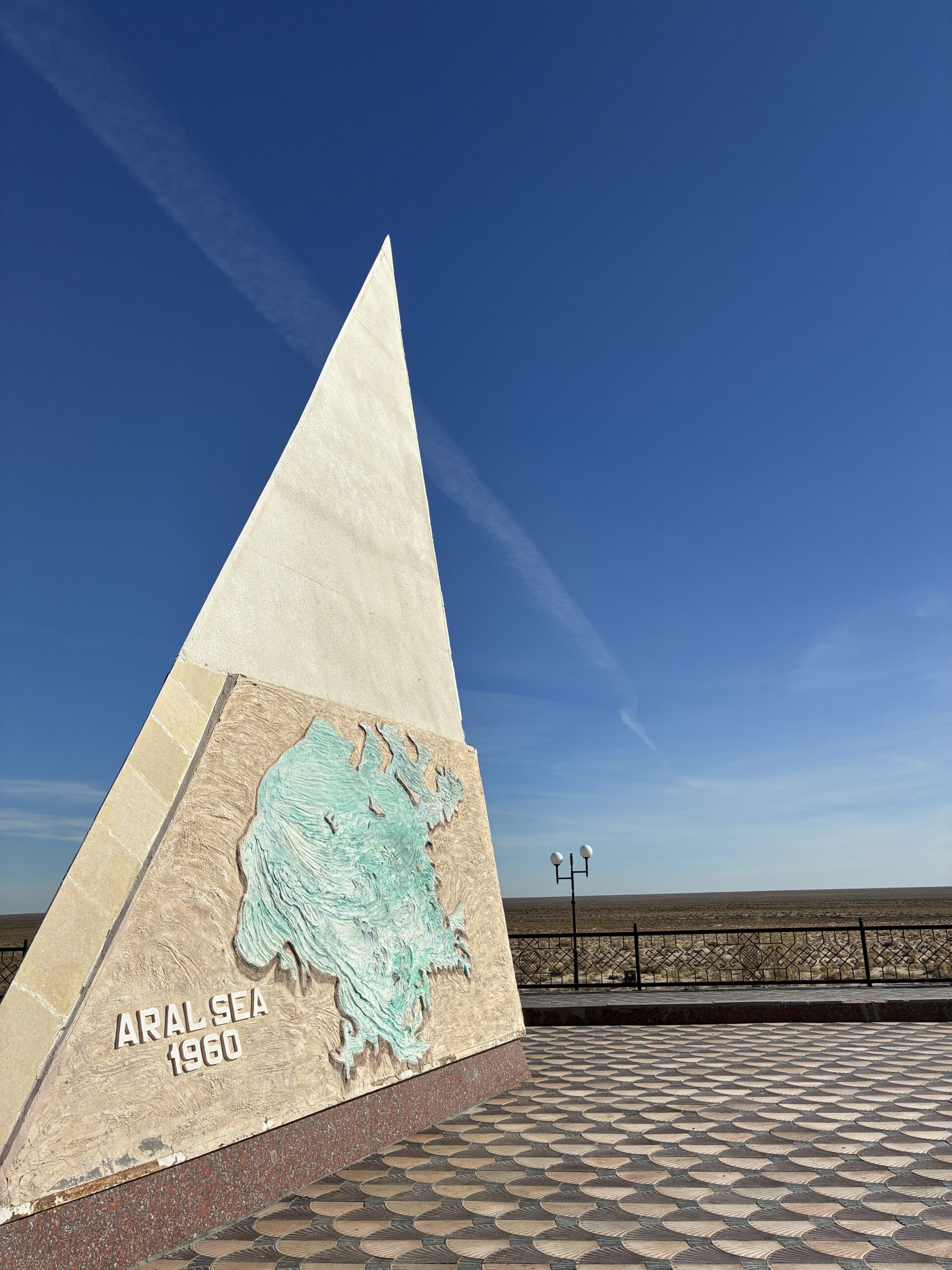
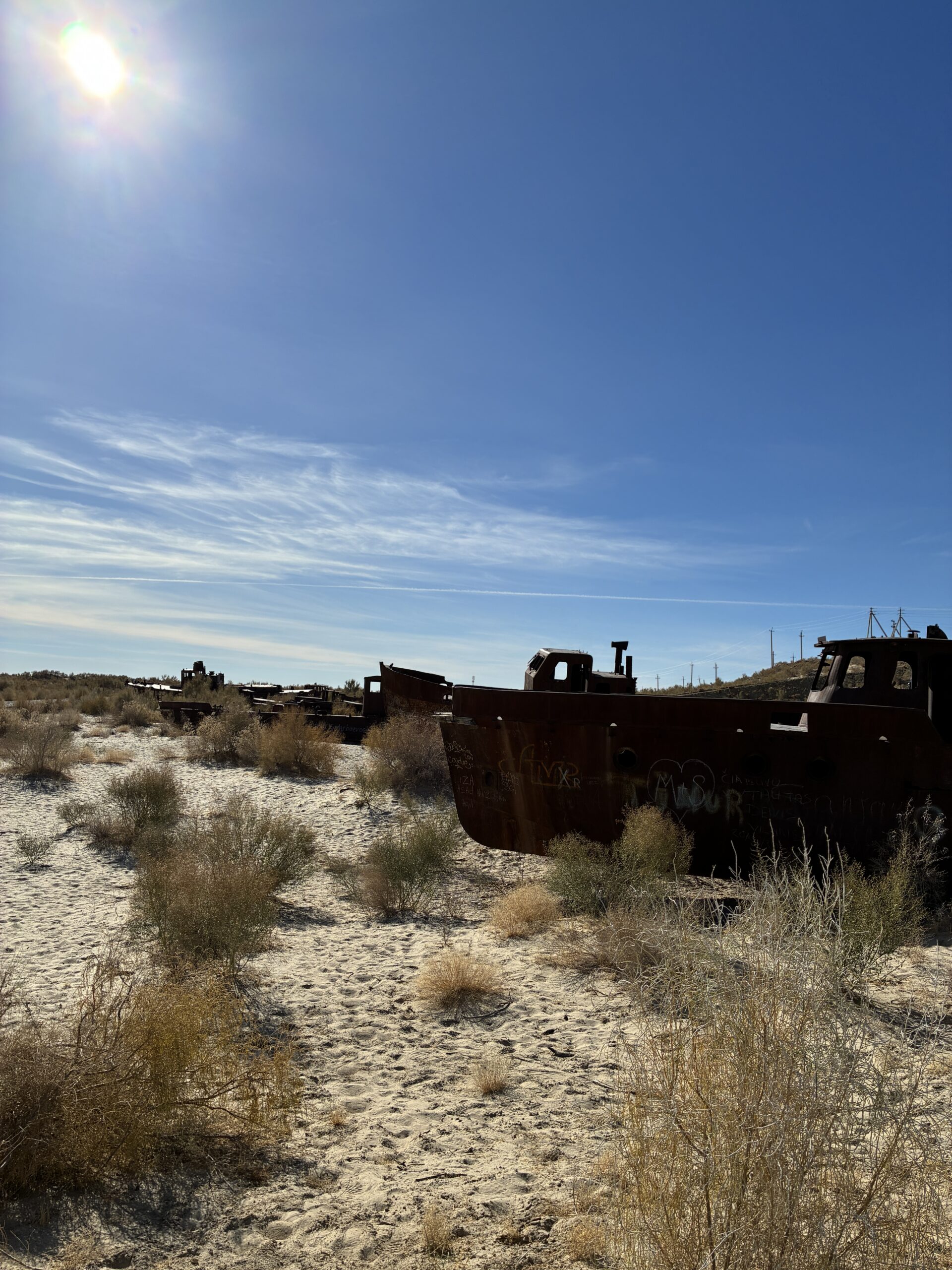
Finally, our last stop was the Autonomous Region of Karakalpakstan, in the north. There is no train connection, so we had to arrange taxis, on what was possibly the bumpiest road I have ever been on. The capital is Nukus, which has the largest collection of Russian avant garde art outside of Russia (located in the Savitsky Museum) and was of course high on our list of priorities! We also went to the State Museum of History and Culture, and then the next day took a day trip to Moynaq. Moynaq used to be where the Aral Sea met the land, but decades of Russian devastation have shrunk the Aral Sea to 10% of its former size. It used to be the fourth-largest lake in the world, and now is nothing but dust for as far as the eye can sea. Outside of Moynaq lie half a dozen ships that were left in the 1970s once the water had evaporated, and they are still there – referred to as the “ship graveyard” – and that’s where we headed.
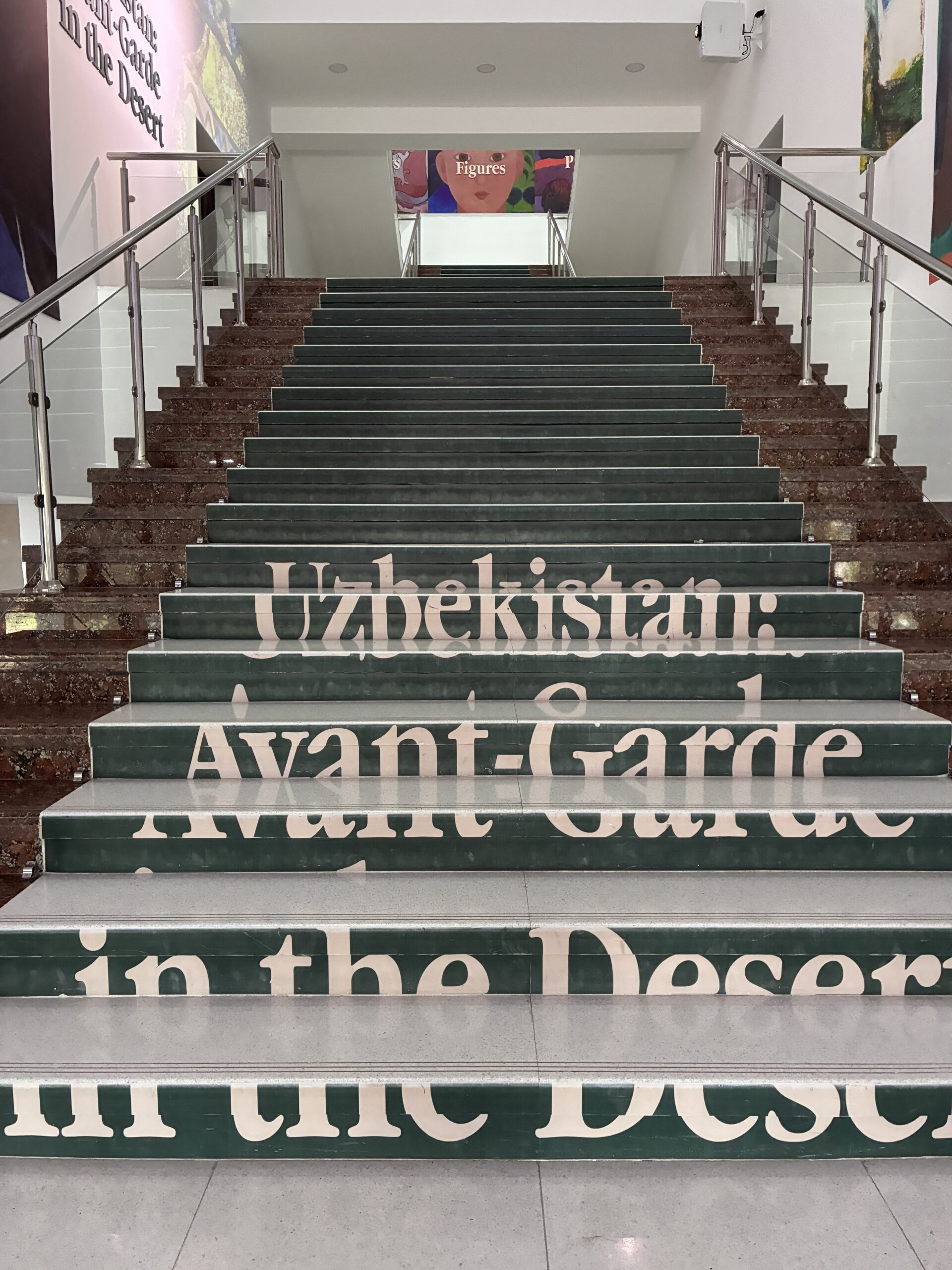
We ended our trip with a flight from Urgench (near Khiva) to Tashkent, where we spent our last day museum hopping (the State Museum of History and the National Art Gallery) and then resting for our 3:30 am flight. I am already dreaming about the stans for a trip next year, either Tajikistan or Turkmenistan, but I think the latter might take a bit more planning. Let’s see what happens 😉