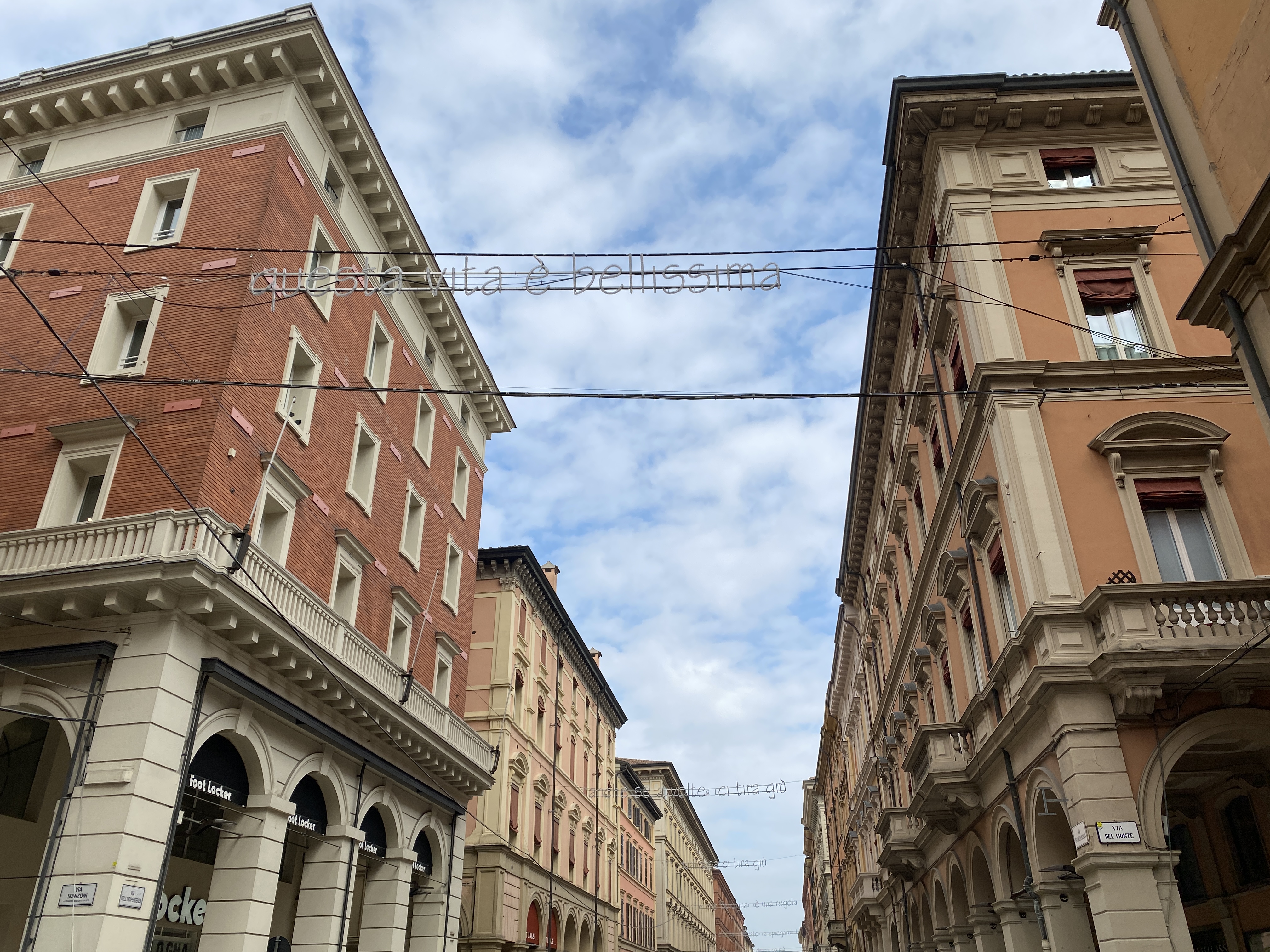
After already having been in the major tourist hotspots in Italy (Rome, Milan, Florence, Pisa, Venice…) I was glad to have the excuse of visiting a friend to go to one of the lesser touristy parts of Italy: Bologna and the smaller cities around it. This 7-day itinerary features a new city each day, some of which are packed with sites and others which are much calmer.
We started in Bologna itself, where we stayed in a b&b right across the street from the train station for easy access. Bologna’s main sites include:
-Piazza Maggiore
-Piazza del Nettuno
-Basilicia of San Petronio (built half in marble and half in brick because the funds ran out)
-Clock tower (each Italian city/town has one, and you can climb to the top of this one for a view of Bologna’s main square)
-Asinelli tower (one of the symbols of Bologna, it is dangerously leaning in the direction of a church tower and city officials are desperately trying to stop it)
-Palazzo dell’Archiginasio and the Anatomical Theater
-Palazzo de Accursio
-Basilica of Santo Stefano (a complex of seven different churches built into one another)
-Quadrilatero area, featuring lots of restaurants
-Little Window of Via Piella, which looks out over the last remaining canal in Bologna
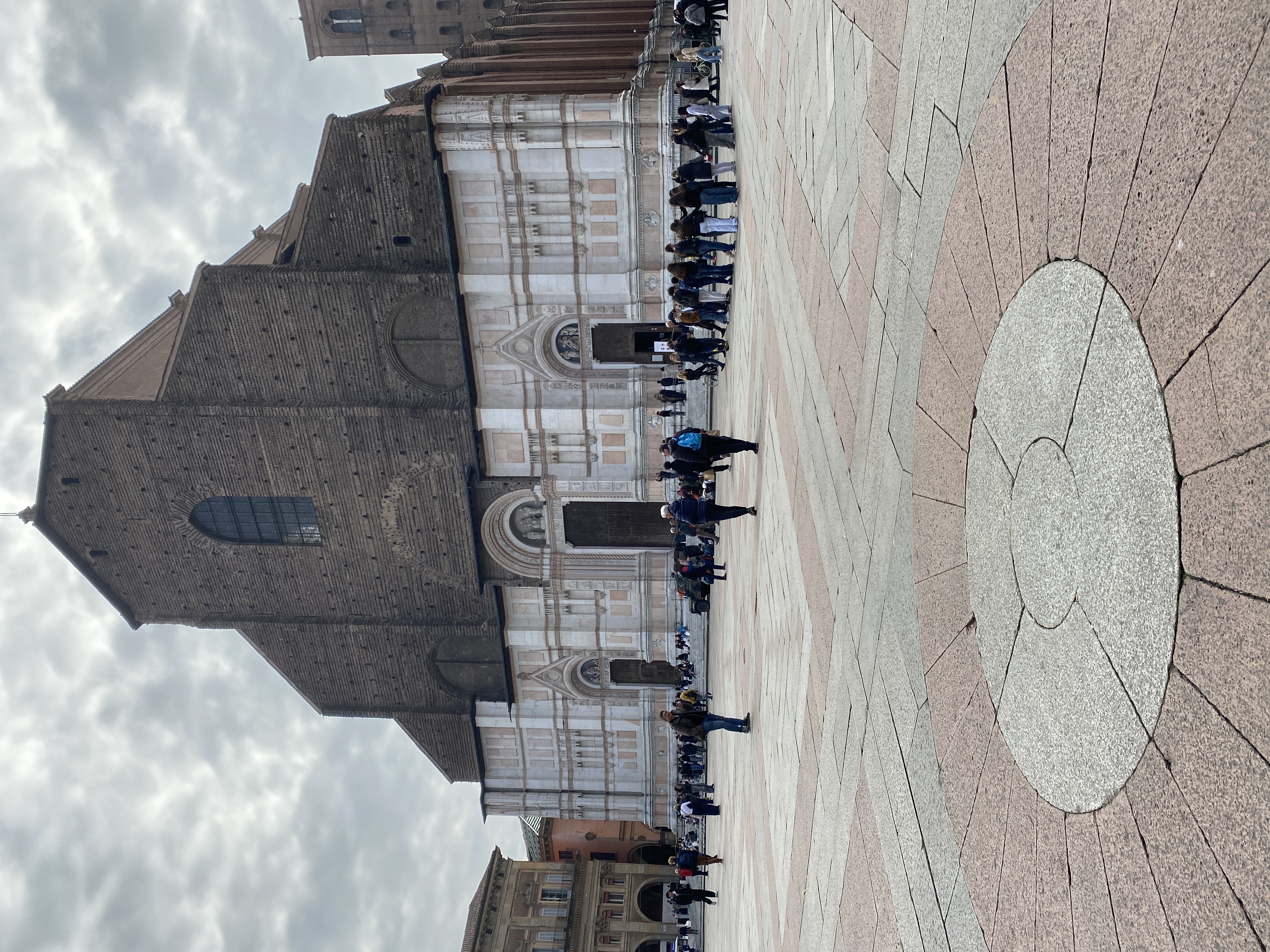
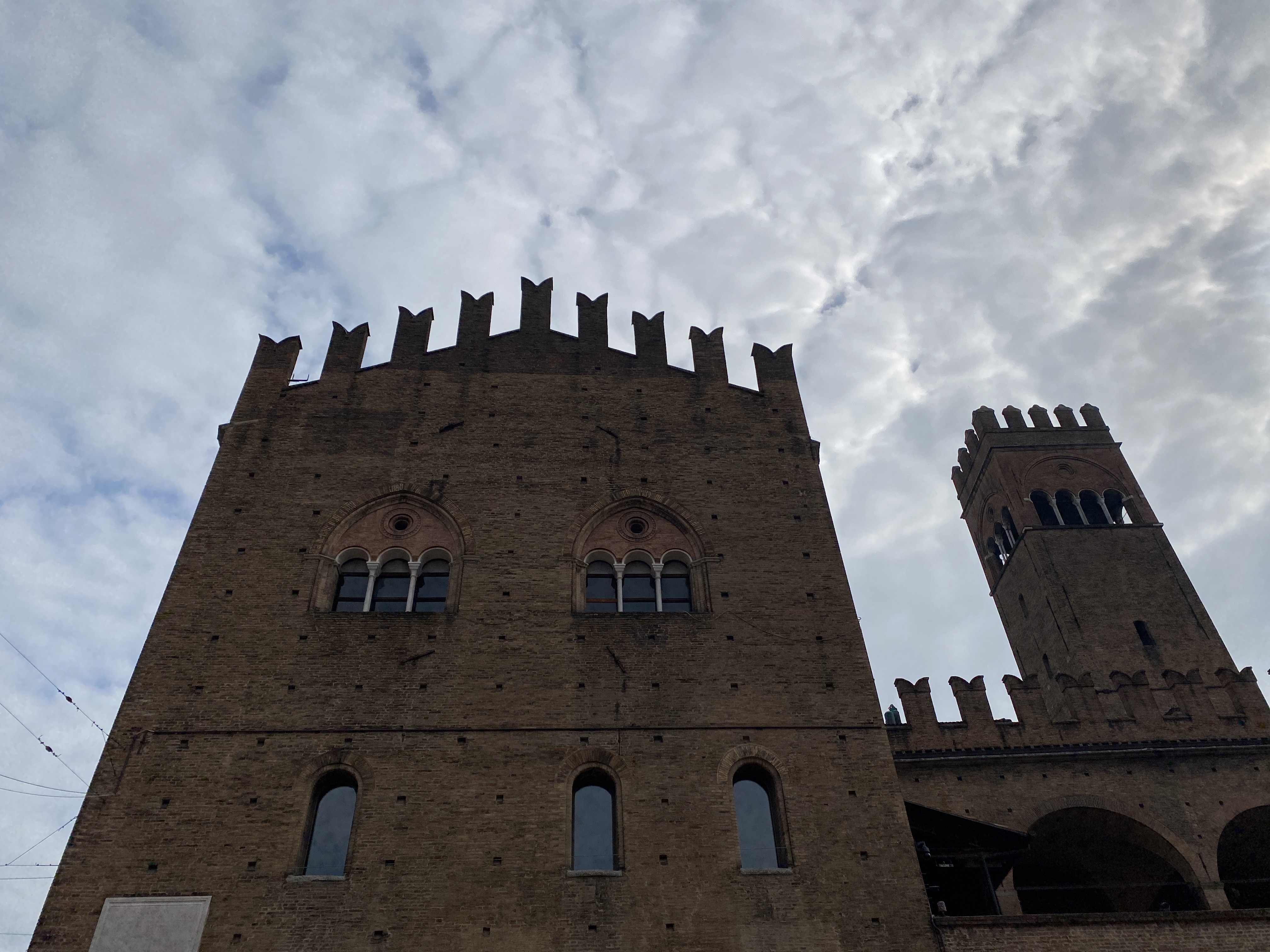
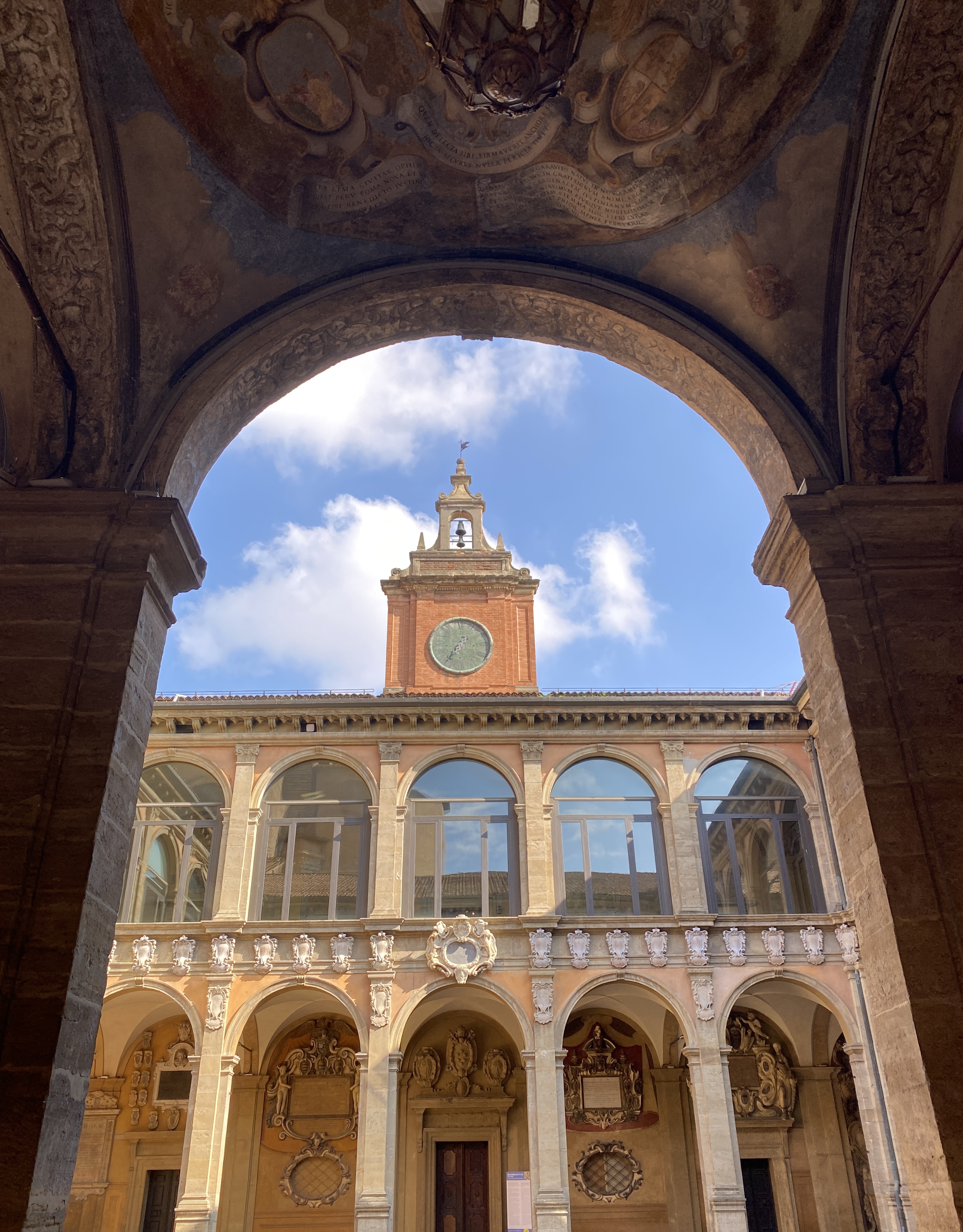
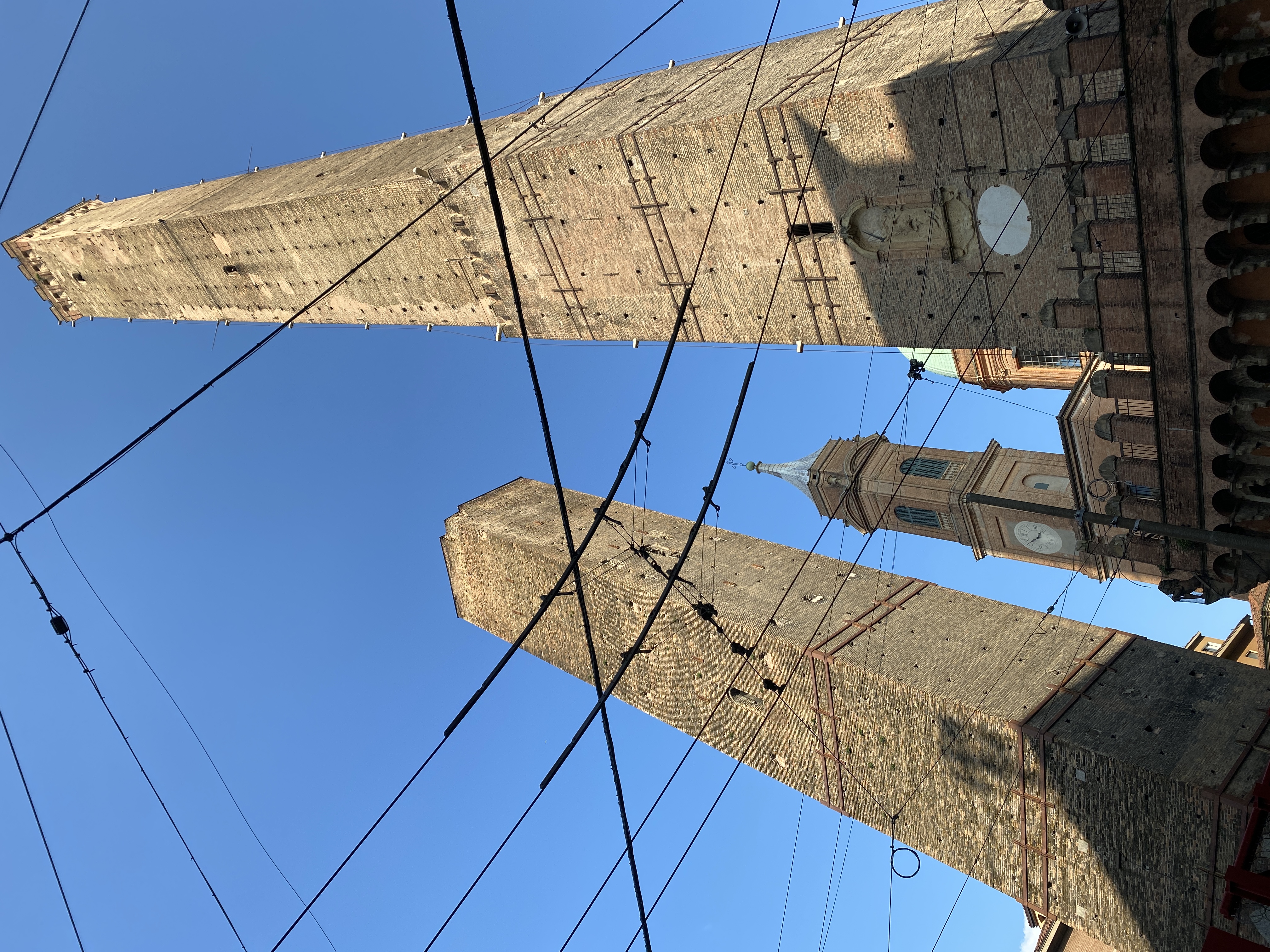
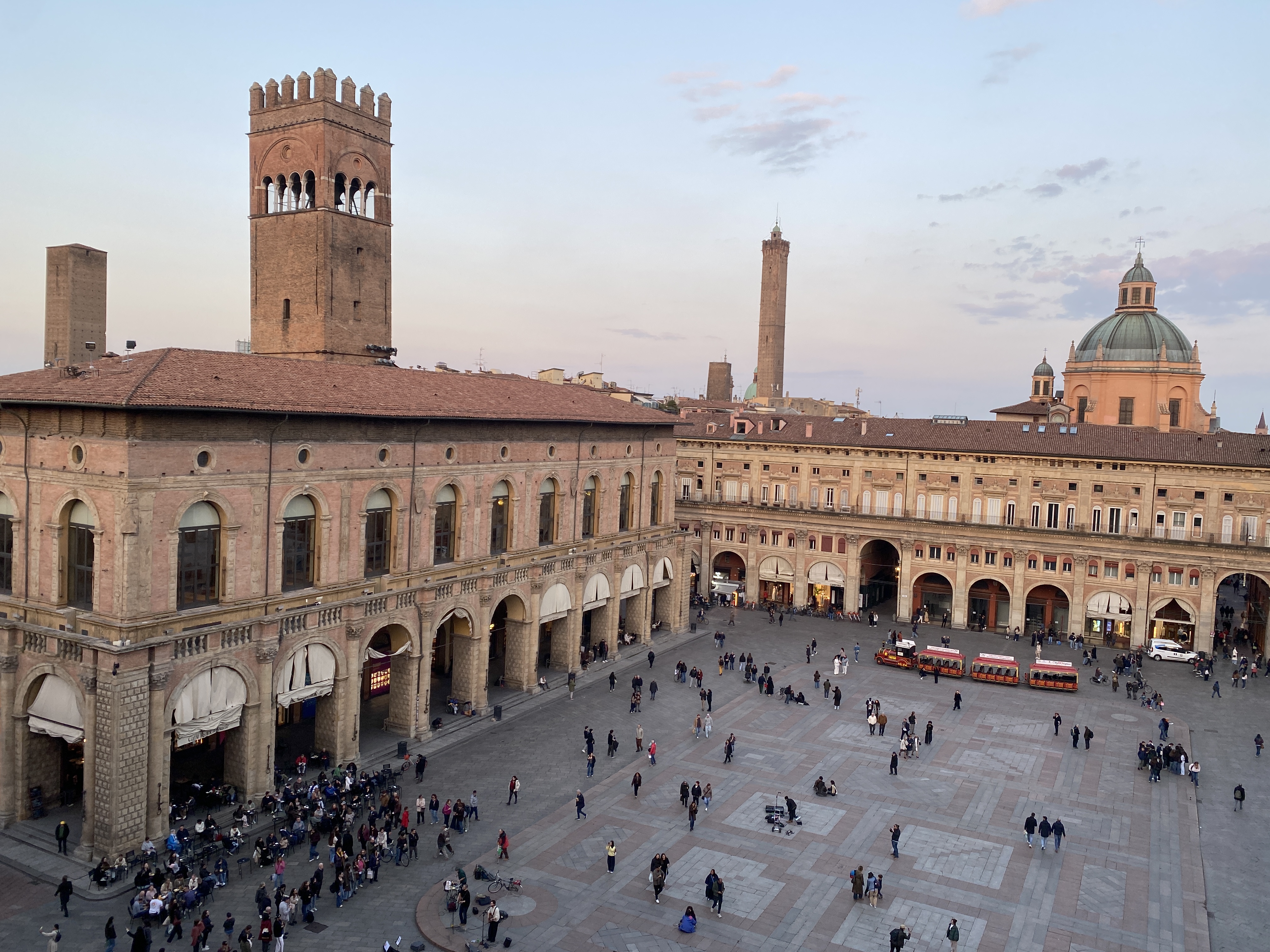
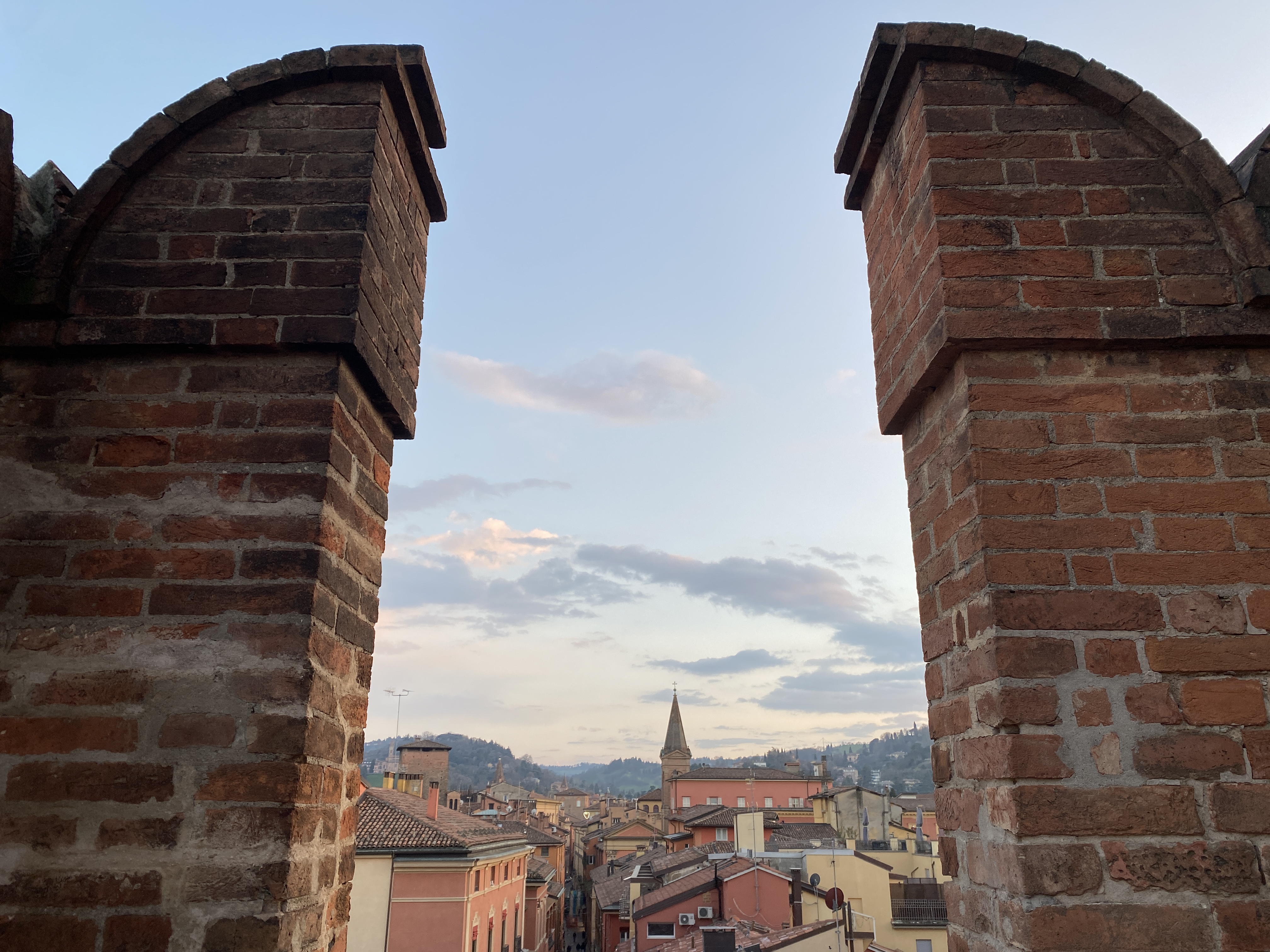
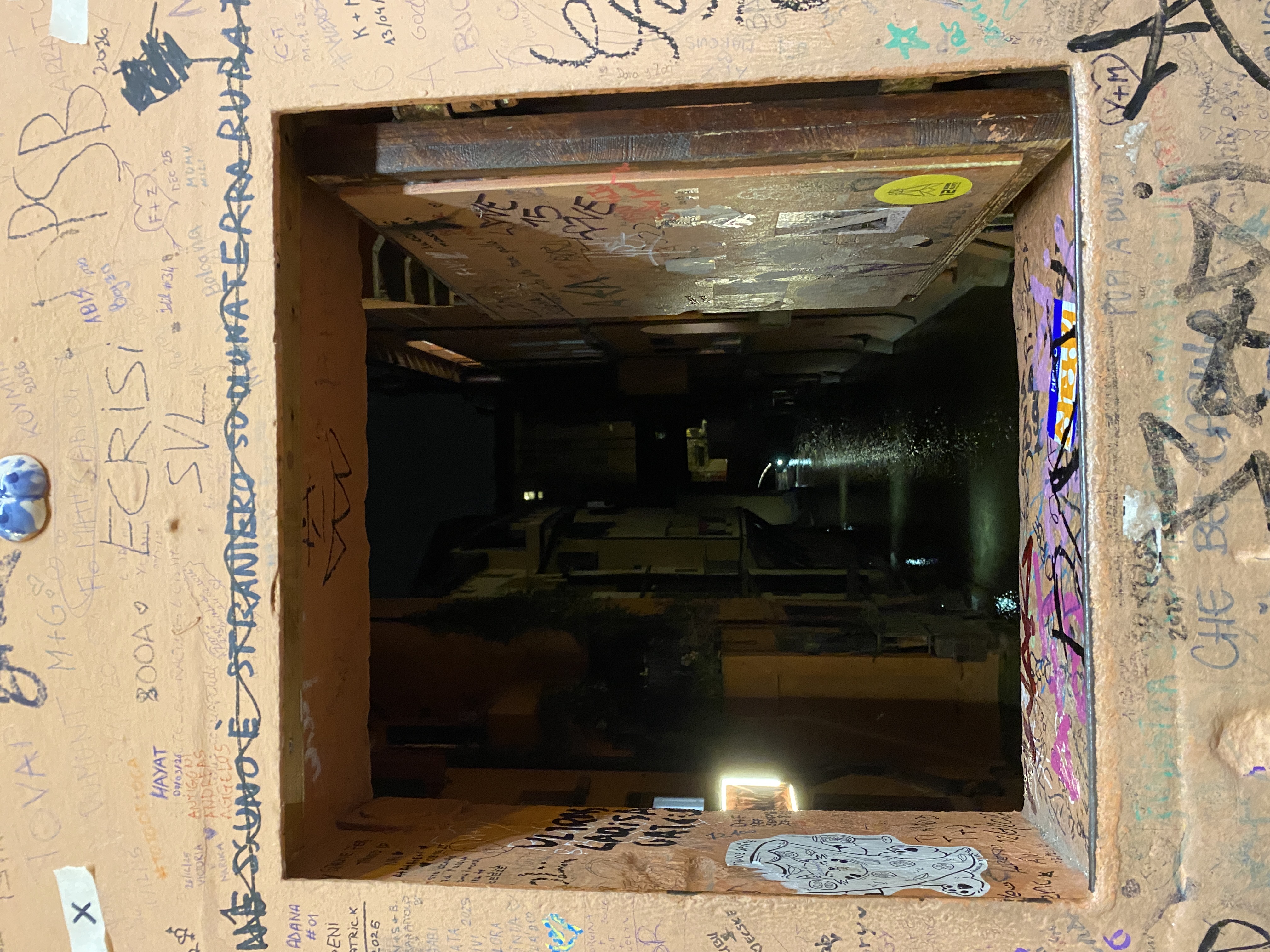
Bologna also has a thriving nightlife because of its university, as well as aloooooot of street art and graffiti. I will post pictures of my favorites below!
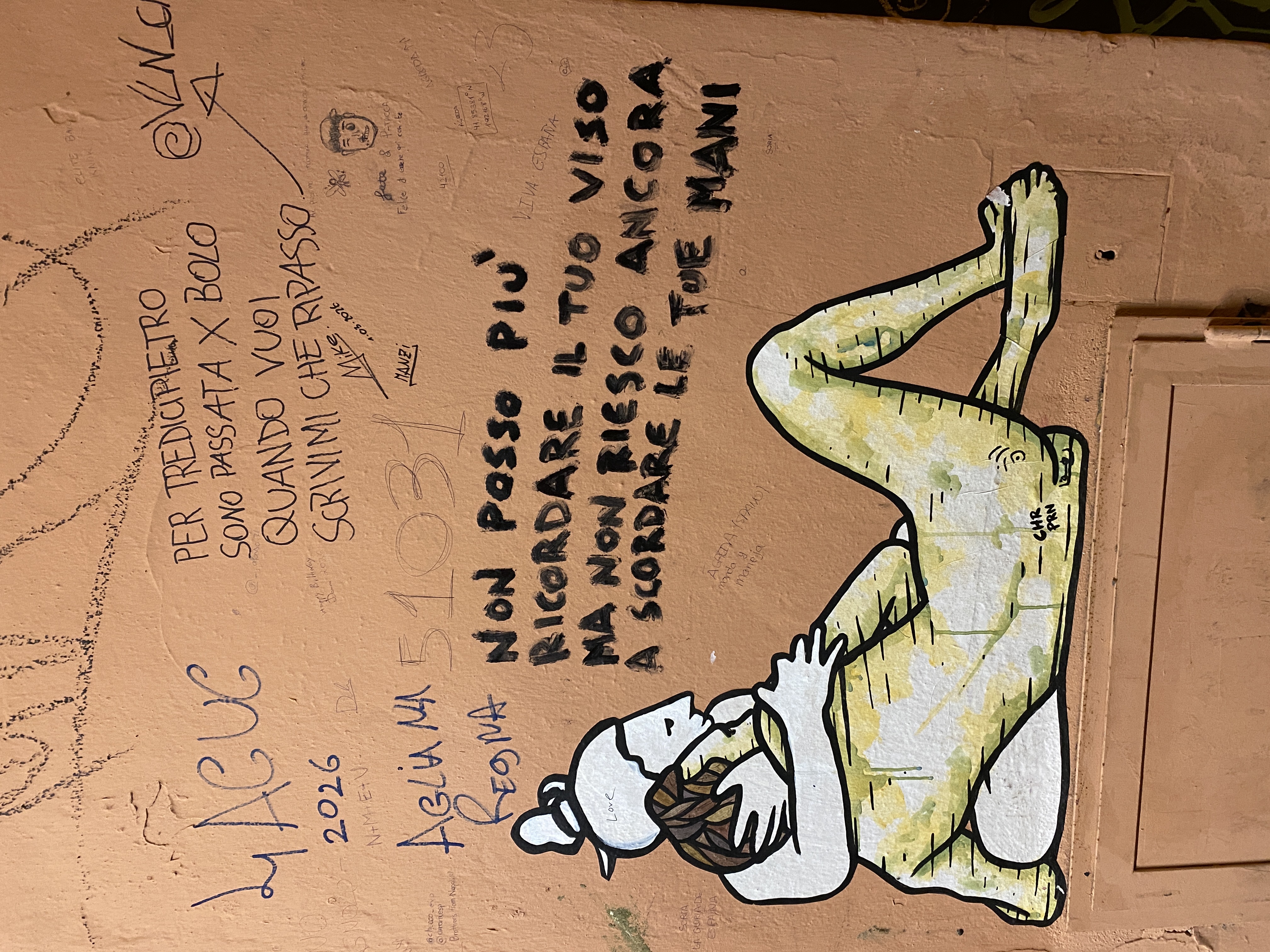
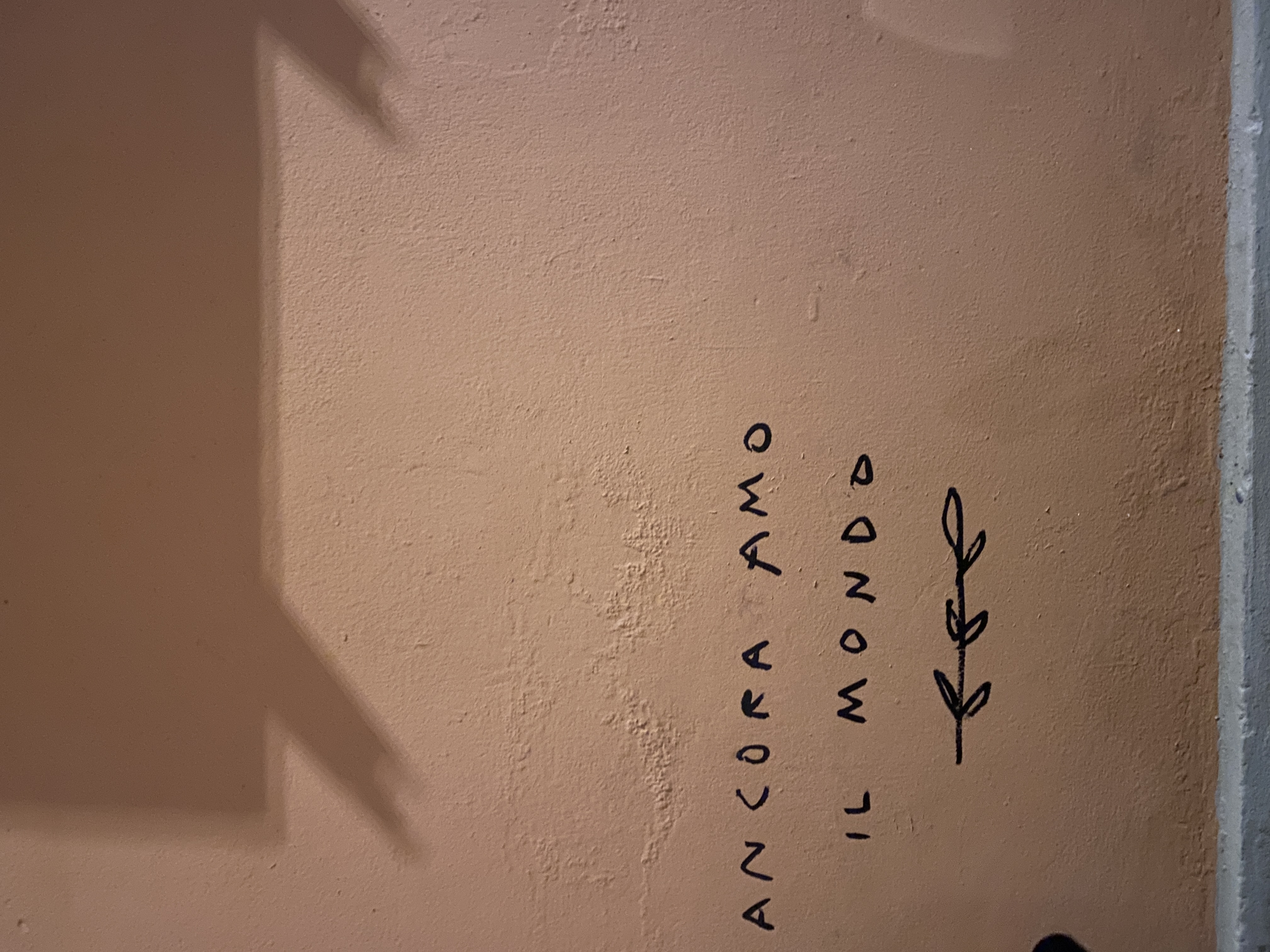
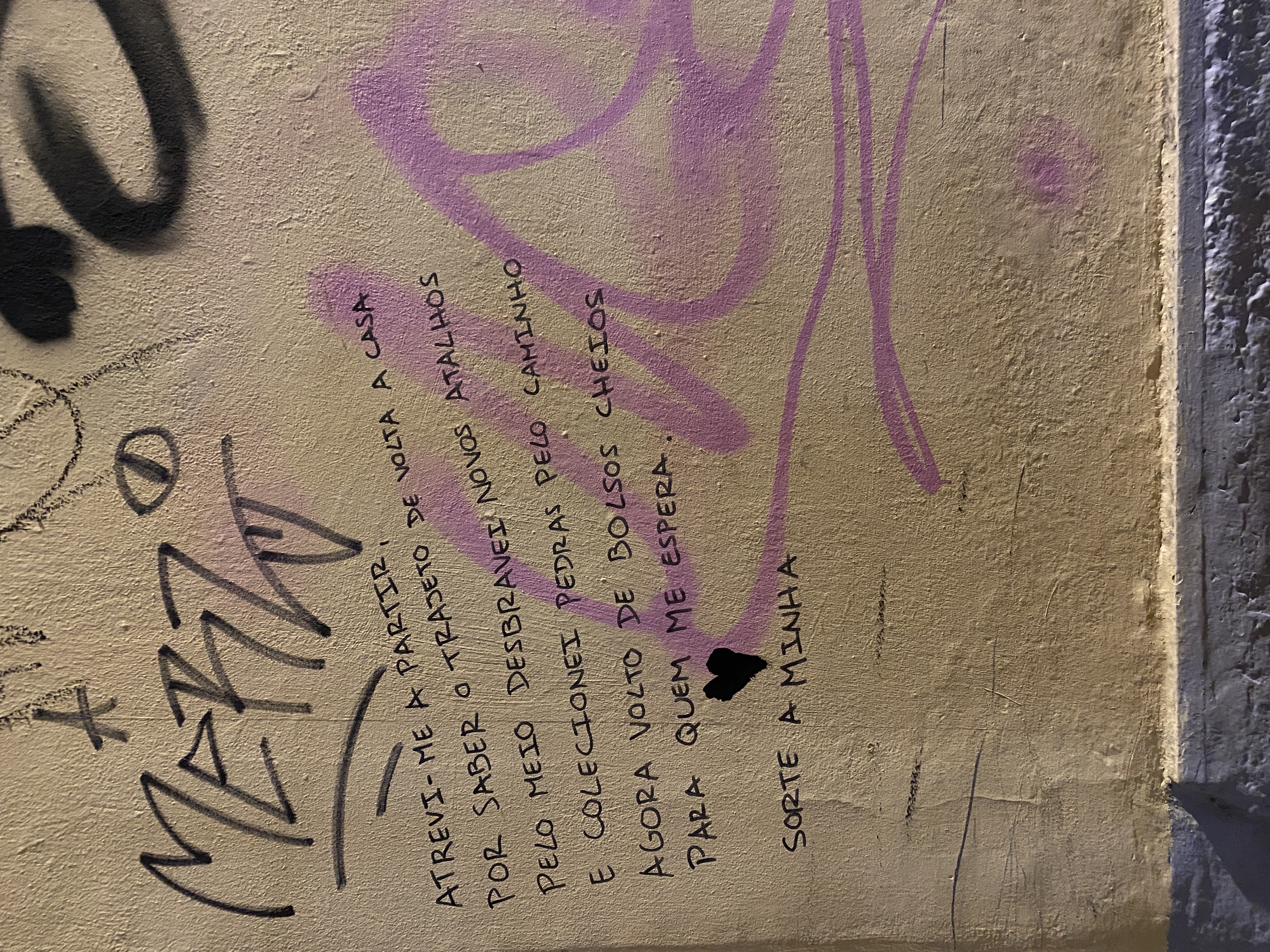
Some museums that will be on the itinerary for next time are the Pinacoteca Nazionale, the Museo del Risorgimento (of when Italy unified to become one country), and the Museum of the History of Bologna, and two scenic spots we did not have time for, because we only spent one full day there, were the Sanctuary of San Luca, which features the longest (4 km!) walkway covered by porticoes in Europe, and the Complesso di San Michele in Bosco. Both of them feature views of the city, and the next time I go I plan to visit!
Ravenna
The next stop on our itinerary was Ravenna, which has a whopping 8 UNESCO Heritage sites, most of them related to the unique styles of mosaic tile that the churches and baptisteries host that date back to the Byzantine Era, as well as a Roman-era floor mosaic similar to ones I have seen in Spain and the usual museums, etc.
-San Vital de Ravenna*
-Mausoleum of Gala Placidia*
-Church of San Apolinar el Nuevo*
-Church of San Apolinar en Clase*
-Baptistery Neoniano*
-Baptistery Arriano*
-Mausoleum Teodorico*
-Archiepiscopal Museum/Archbishop’s Chapel of St. Andrew*
-Dante’s Tomb
-Plaza del Pueblo
-Church of St. Eufemia, which has the Domus of Stone Carpets
-Ravenna Cathedral
-National Museum of Ravenna
-MAR art museum
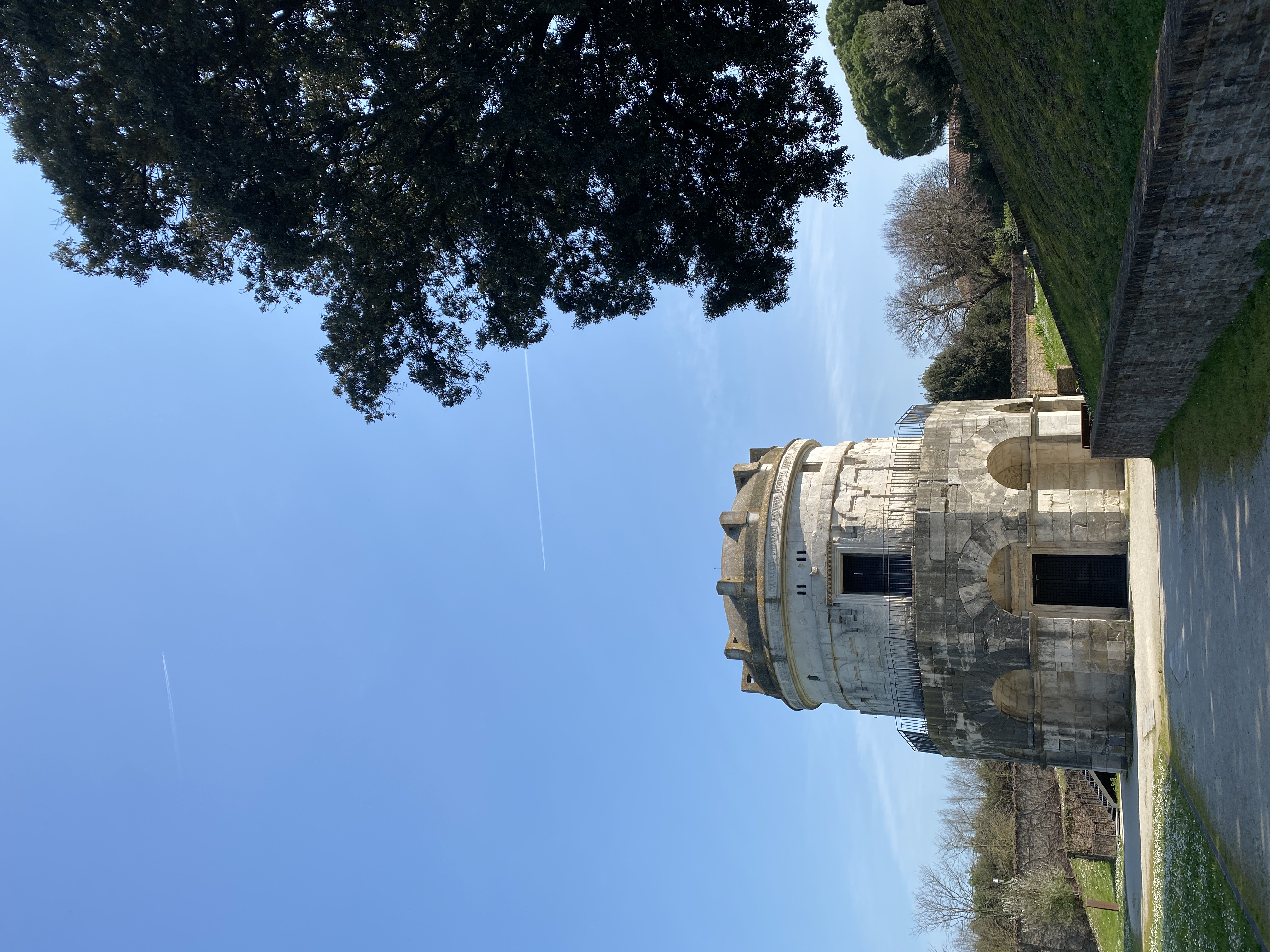
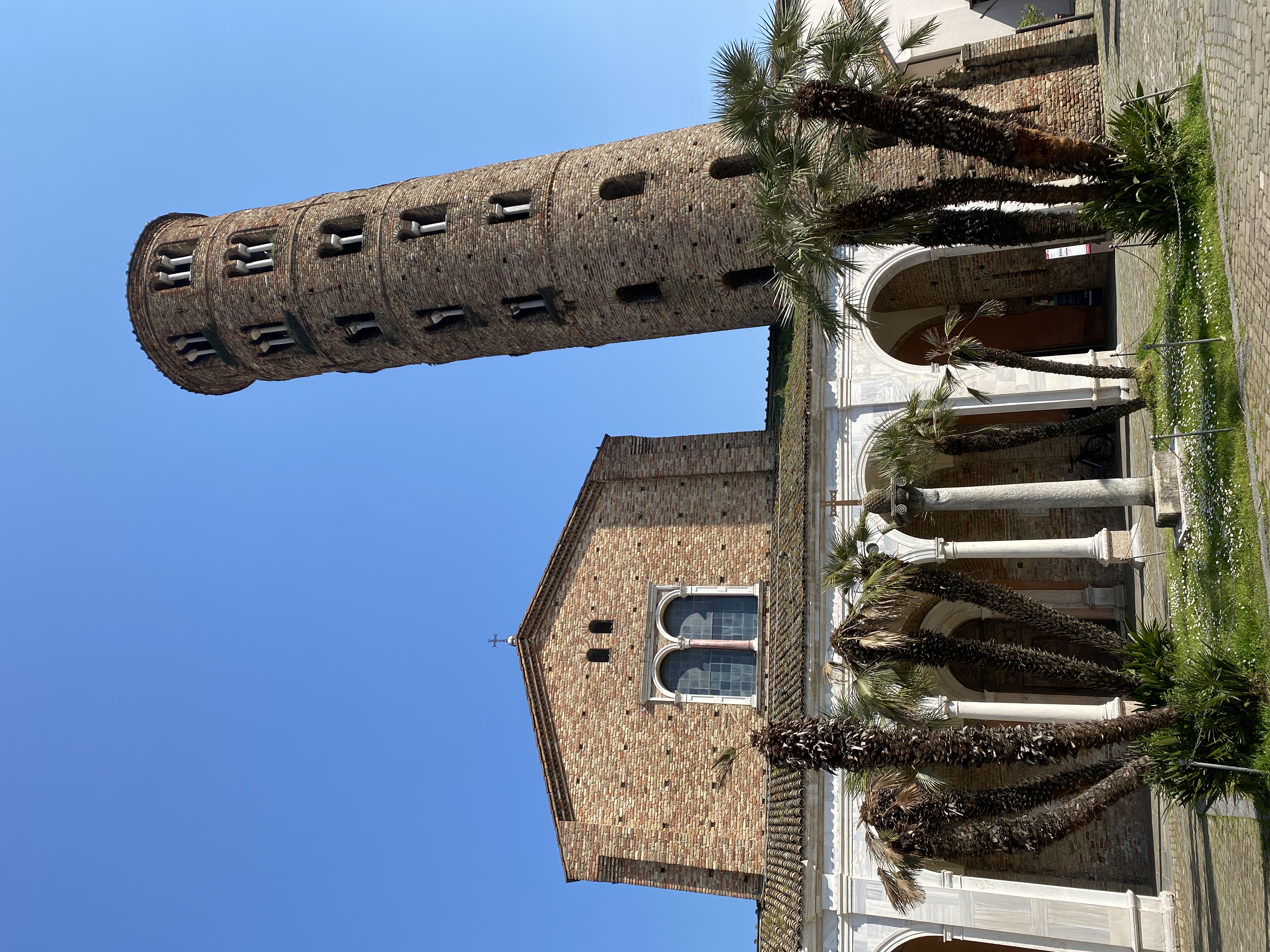
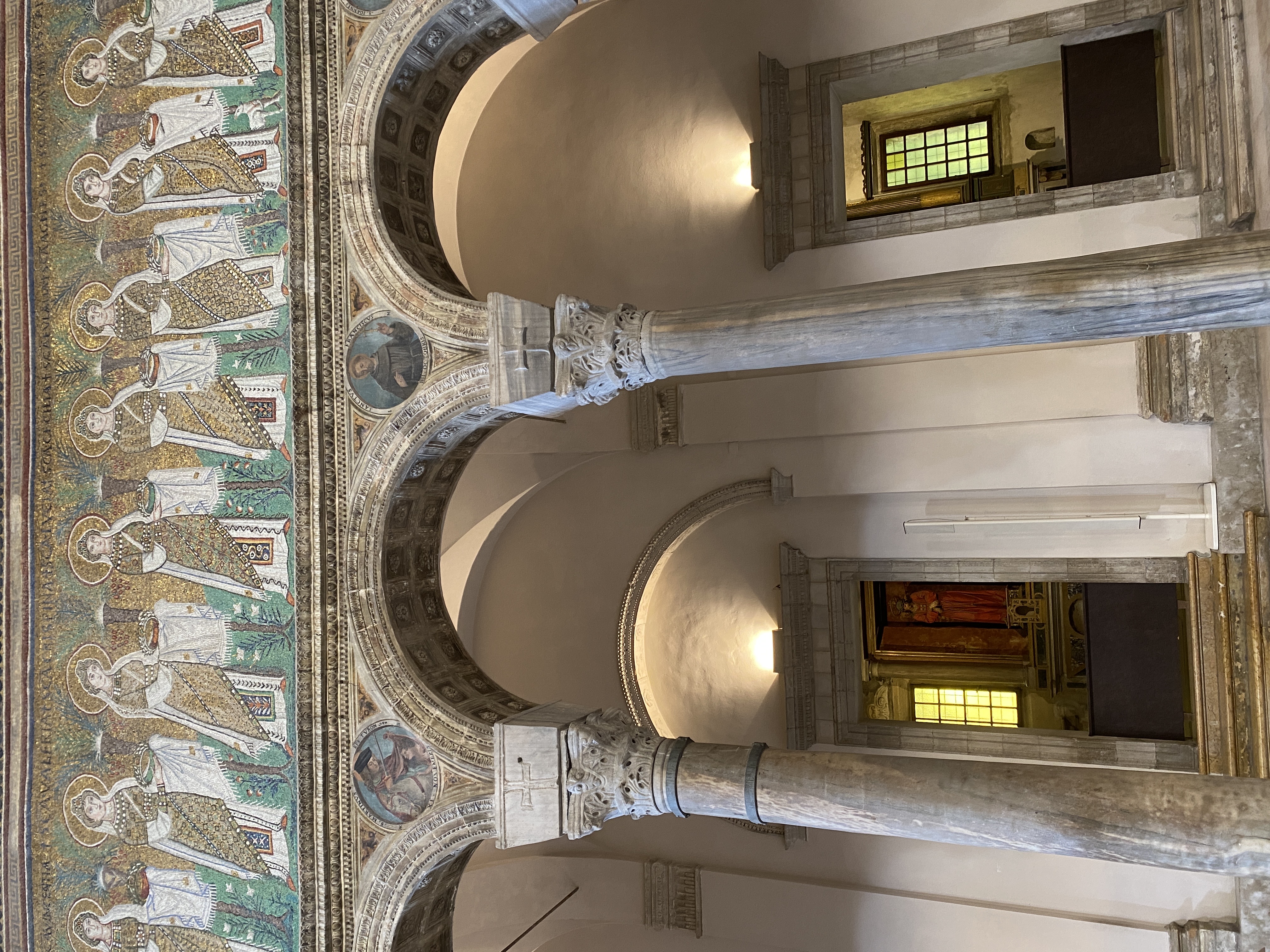
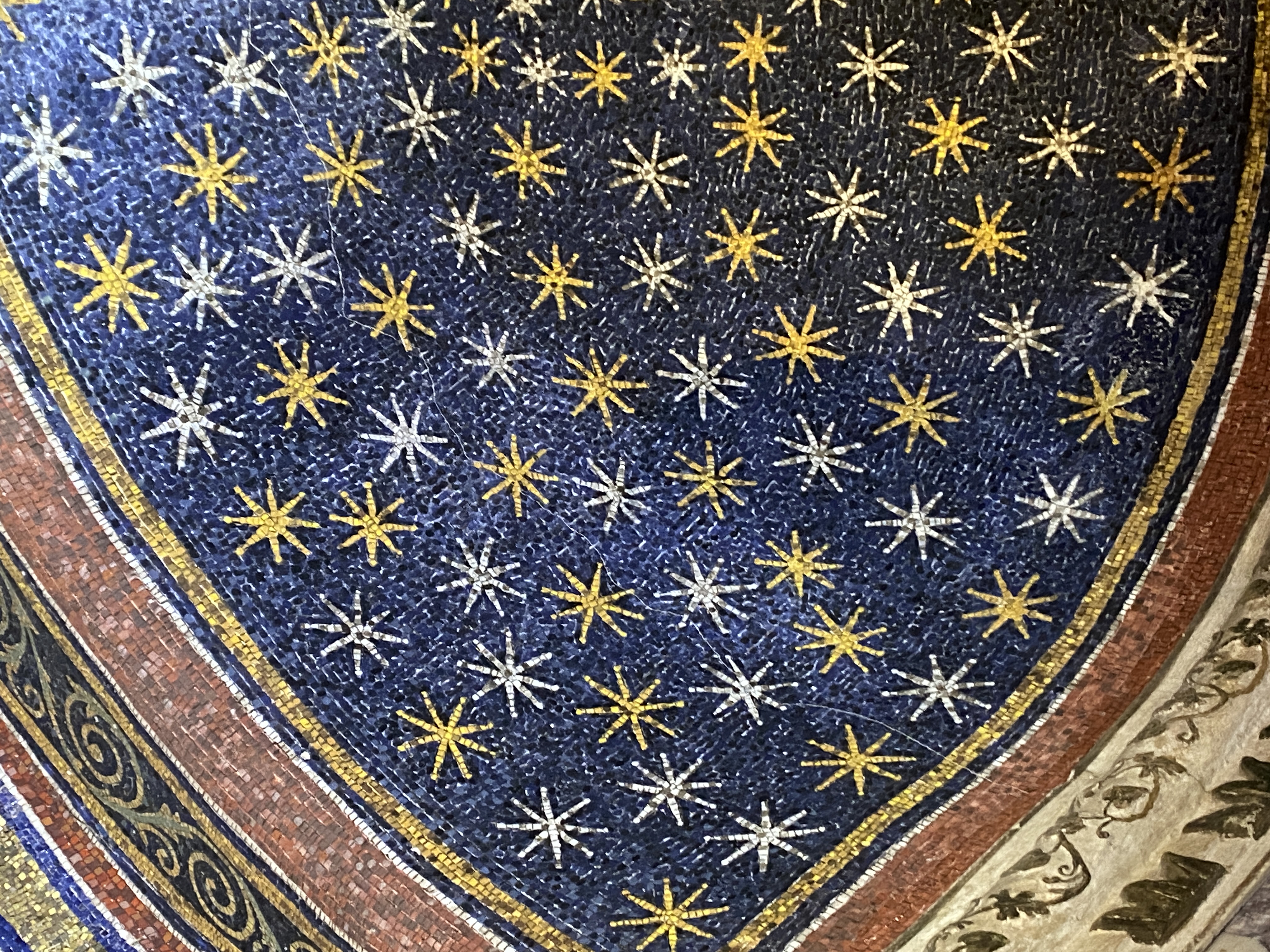
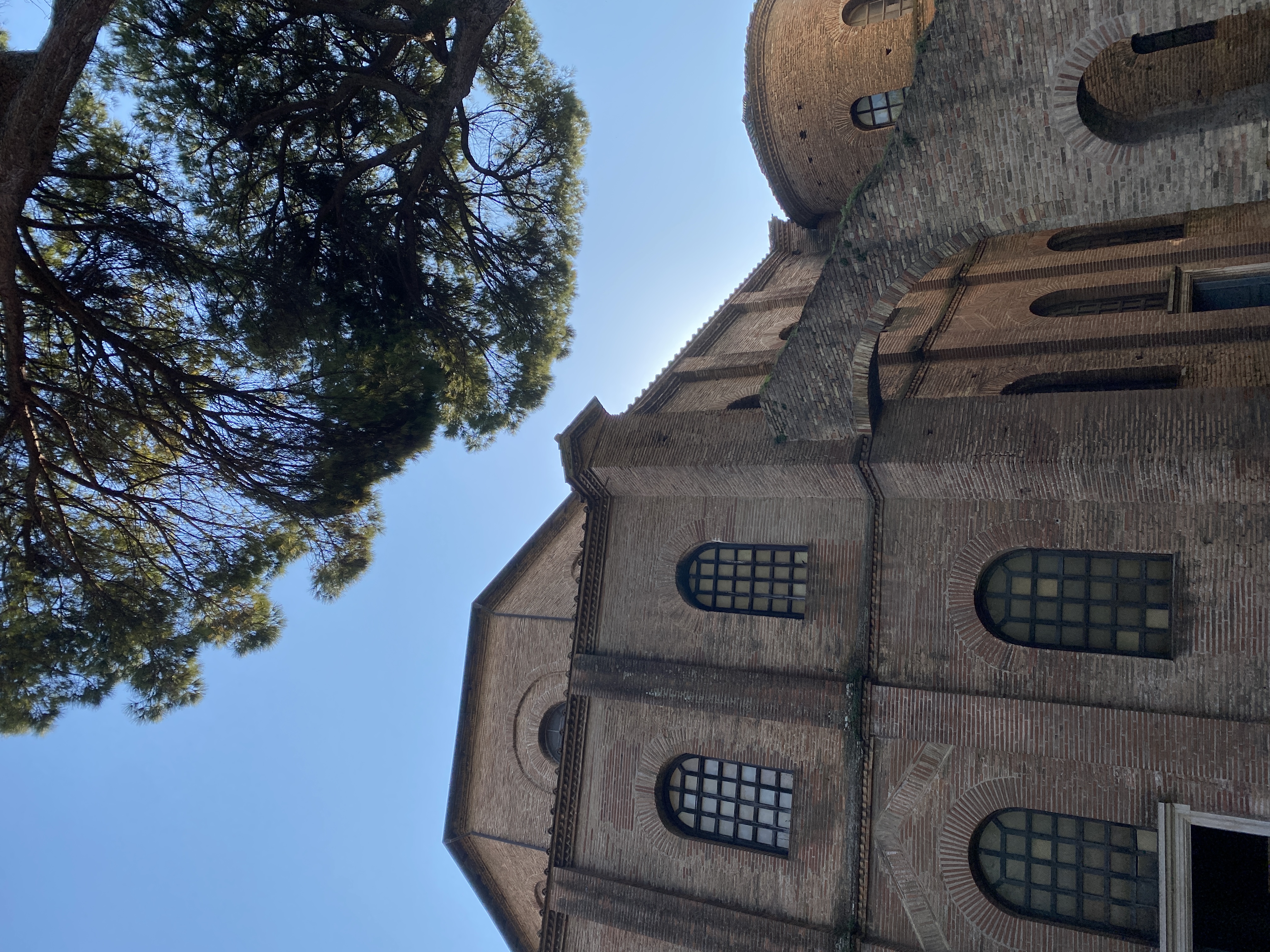
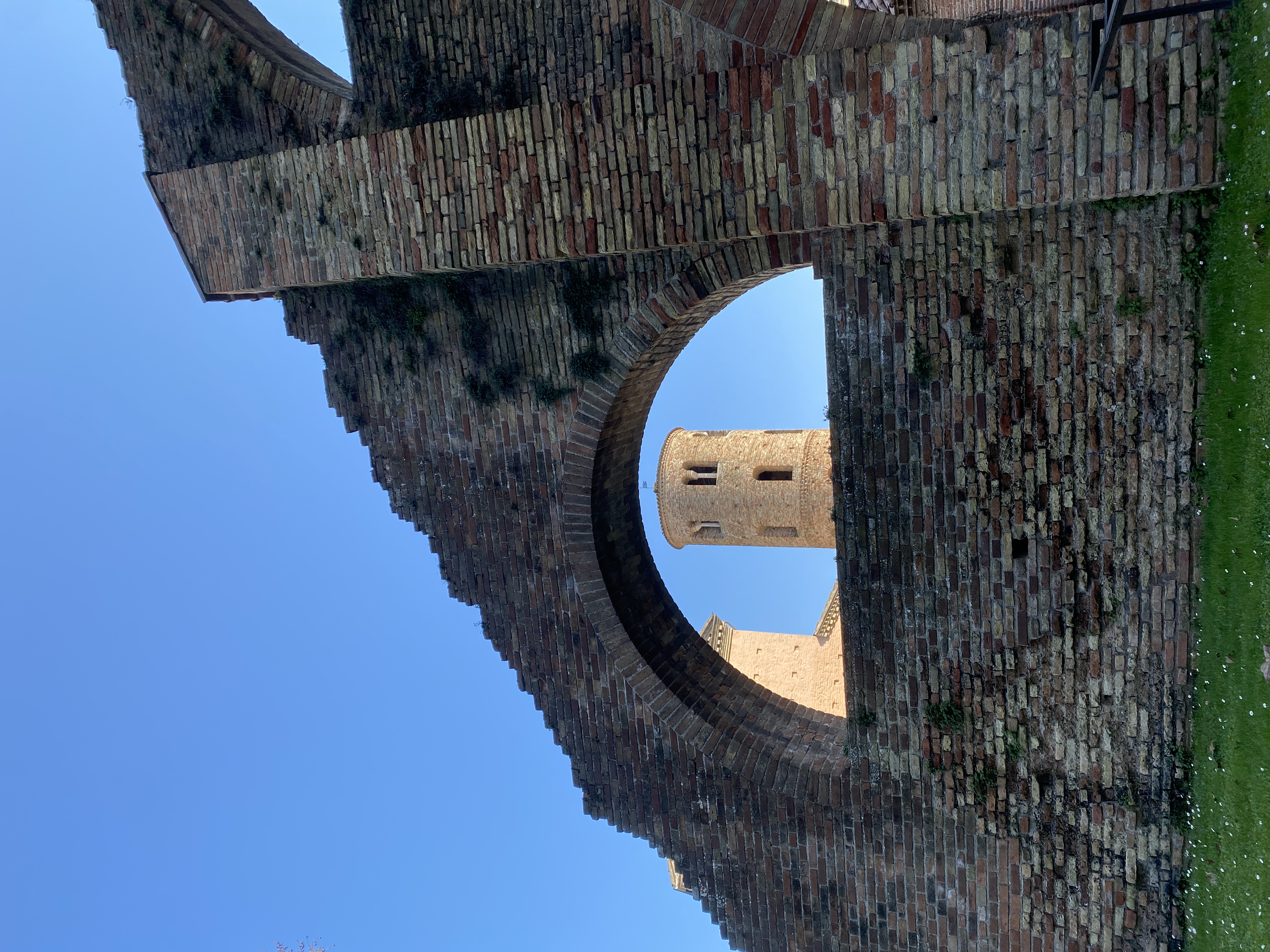
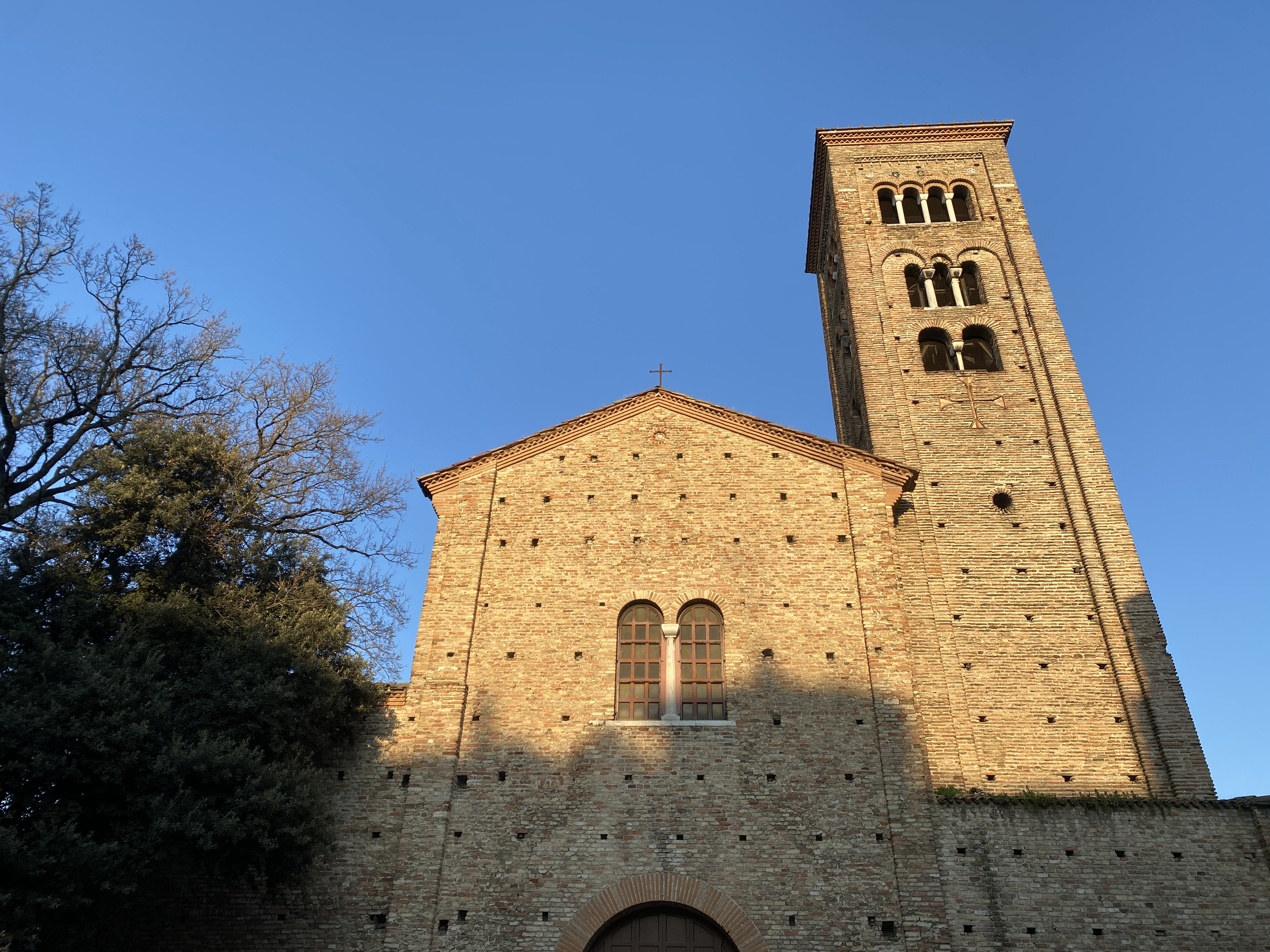
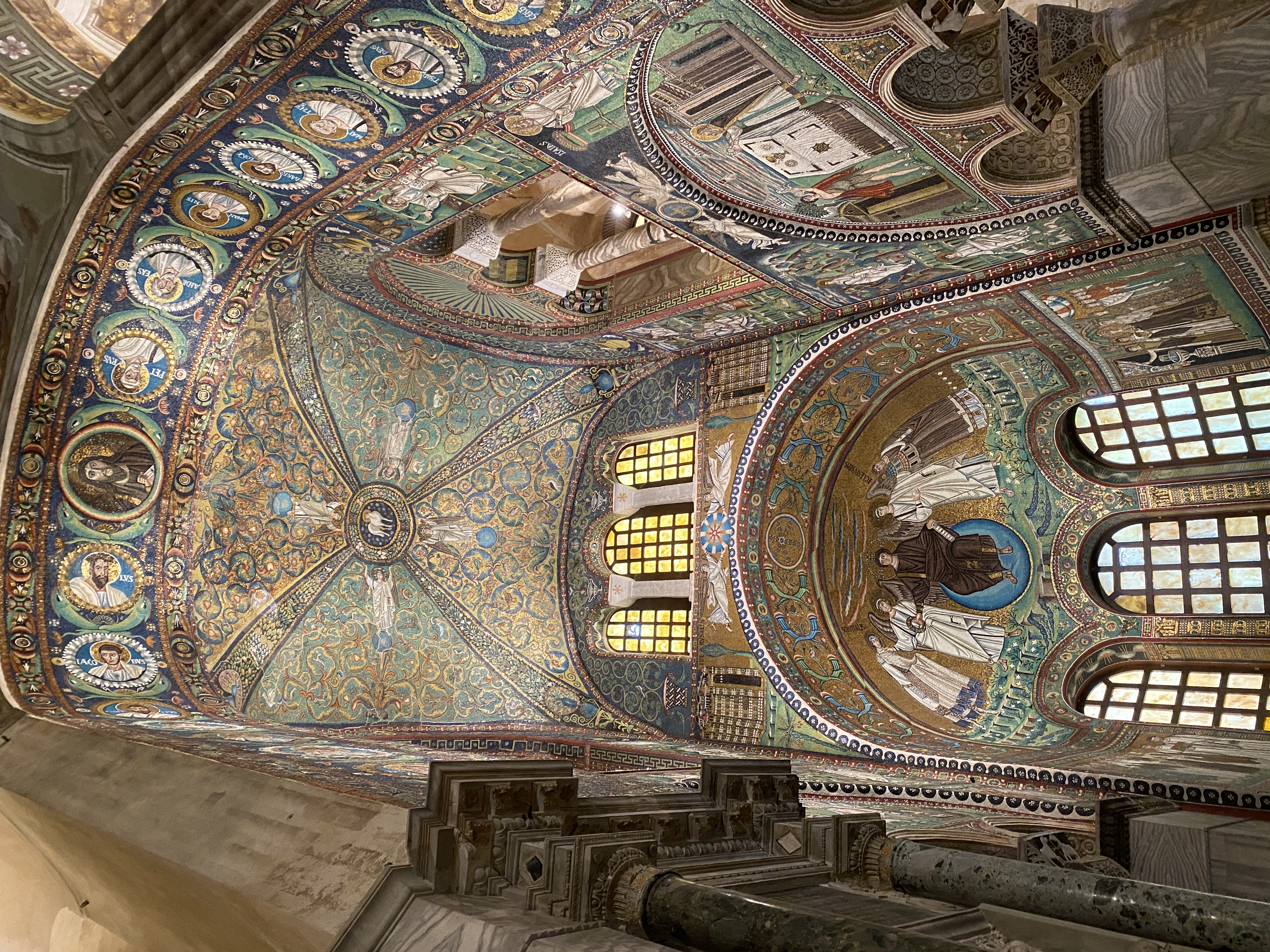
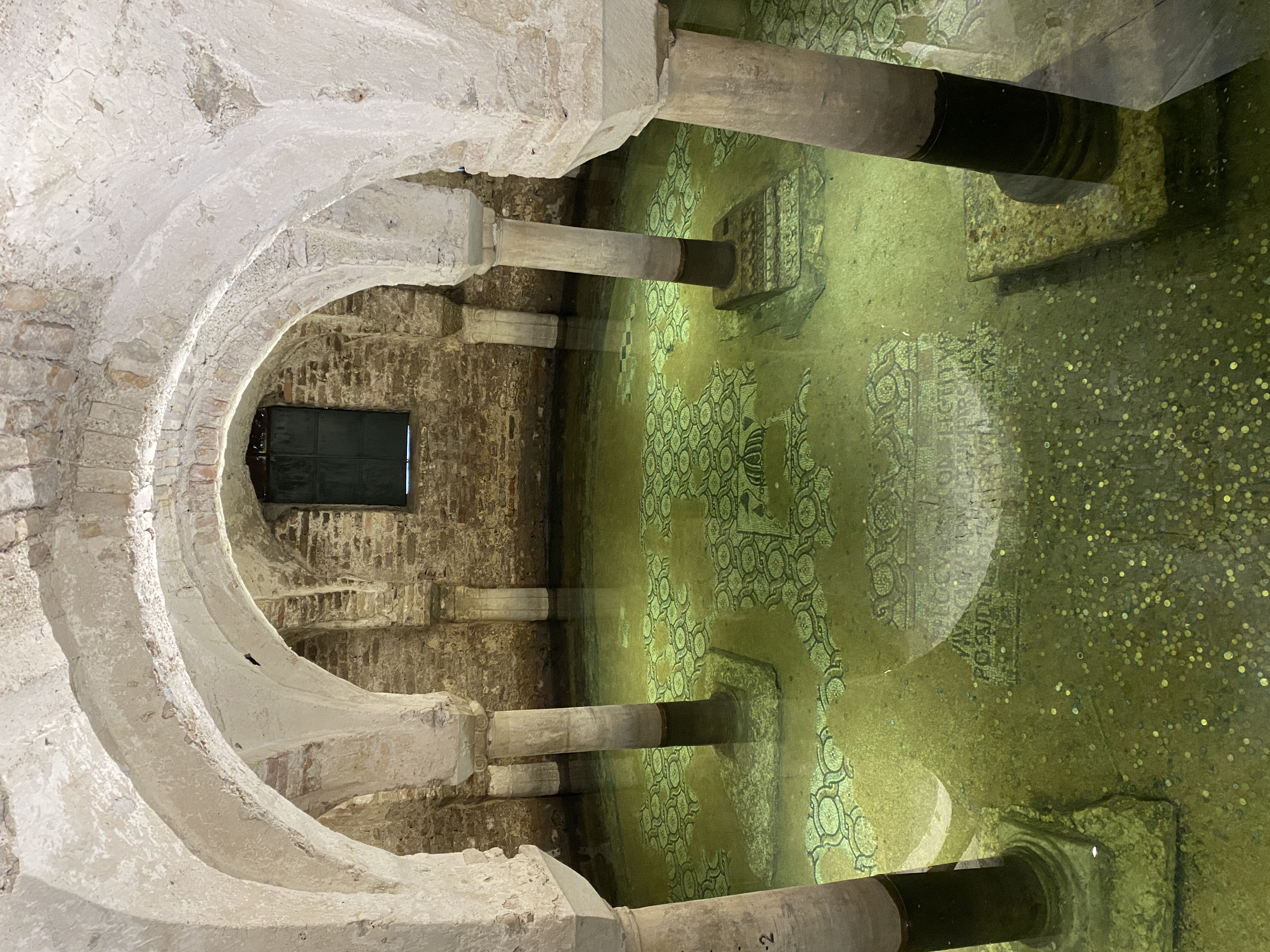
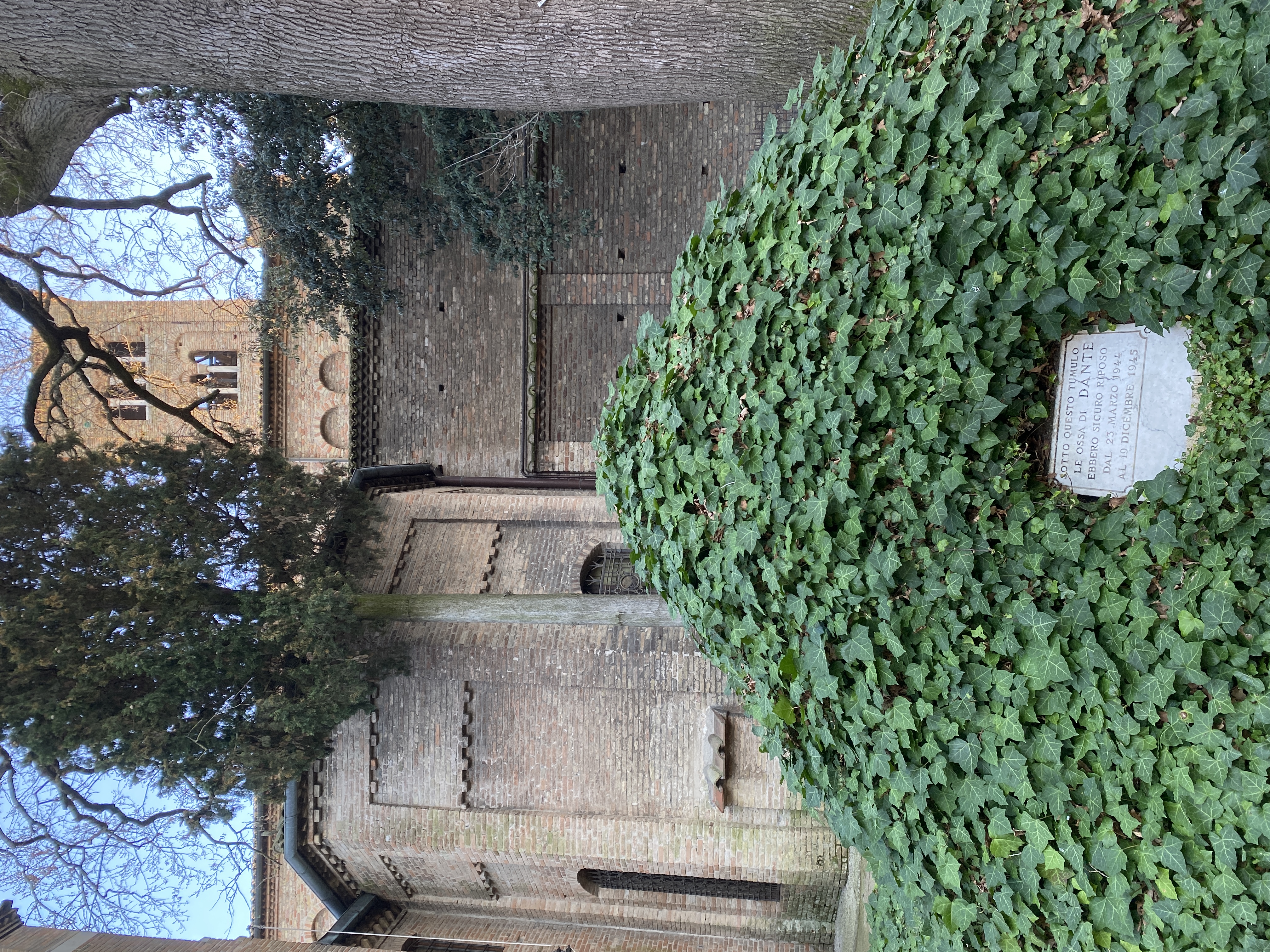
We were not able to go to the museums, as they are closed on Mondays, but the rest of the stuff we saw! It was a long day, but everything was very beautiful and it is completely doable. The asterisks are the UNESCO sites, and with the exception of Church of San Apolinar en Clase, which we had to take a bus to get to, everything is right in the city center and easily accessible on foot. There are also two different discount cards for the sites, one for the government-owned places and another for the church-owned.
Parma
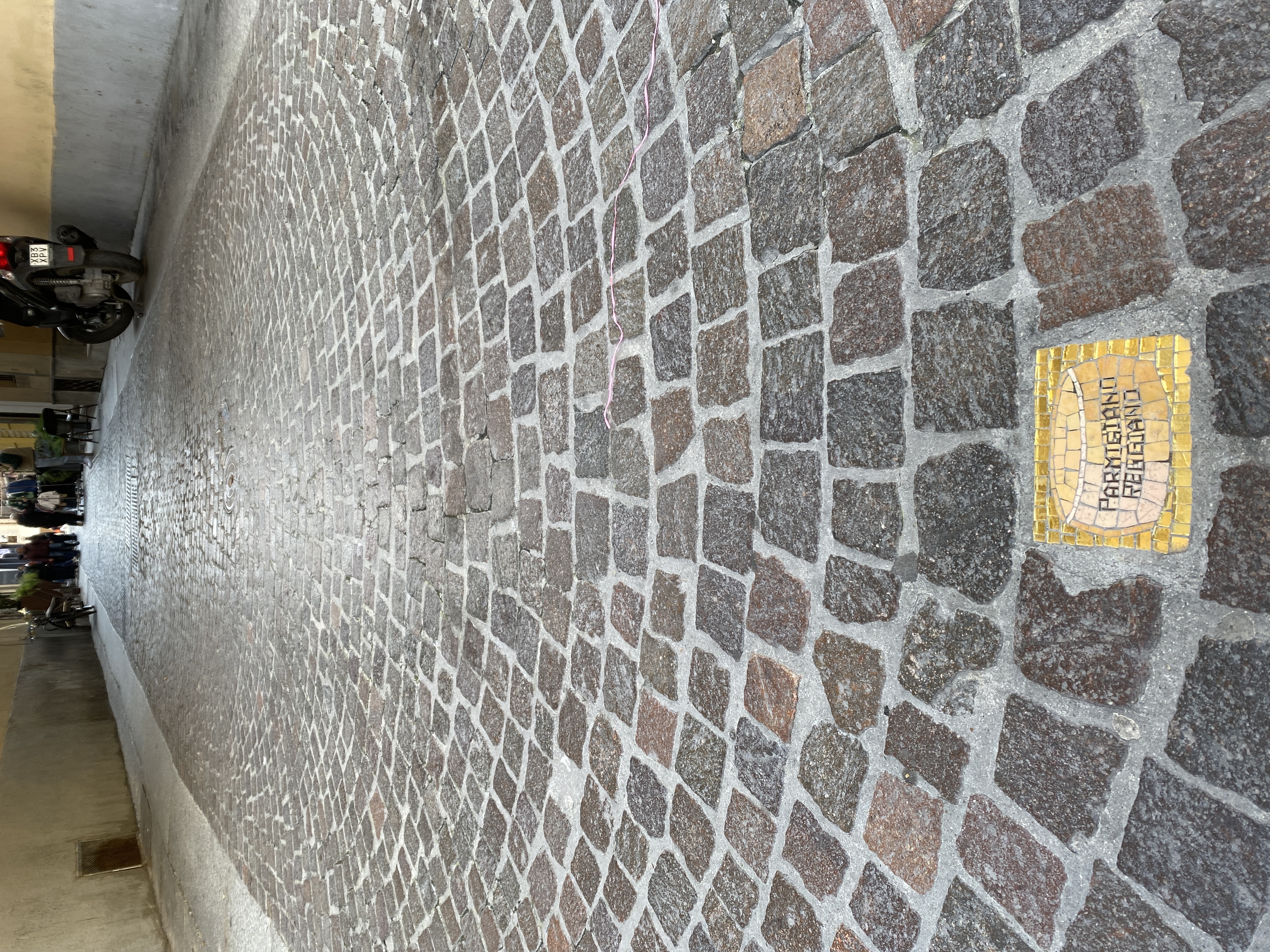
You can easily imagine what Parma is known for, and if you can’t, here is a picture of a tile on the ground:
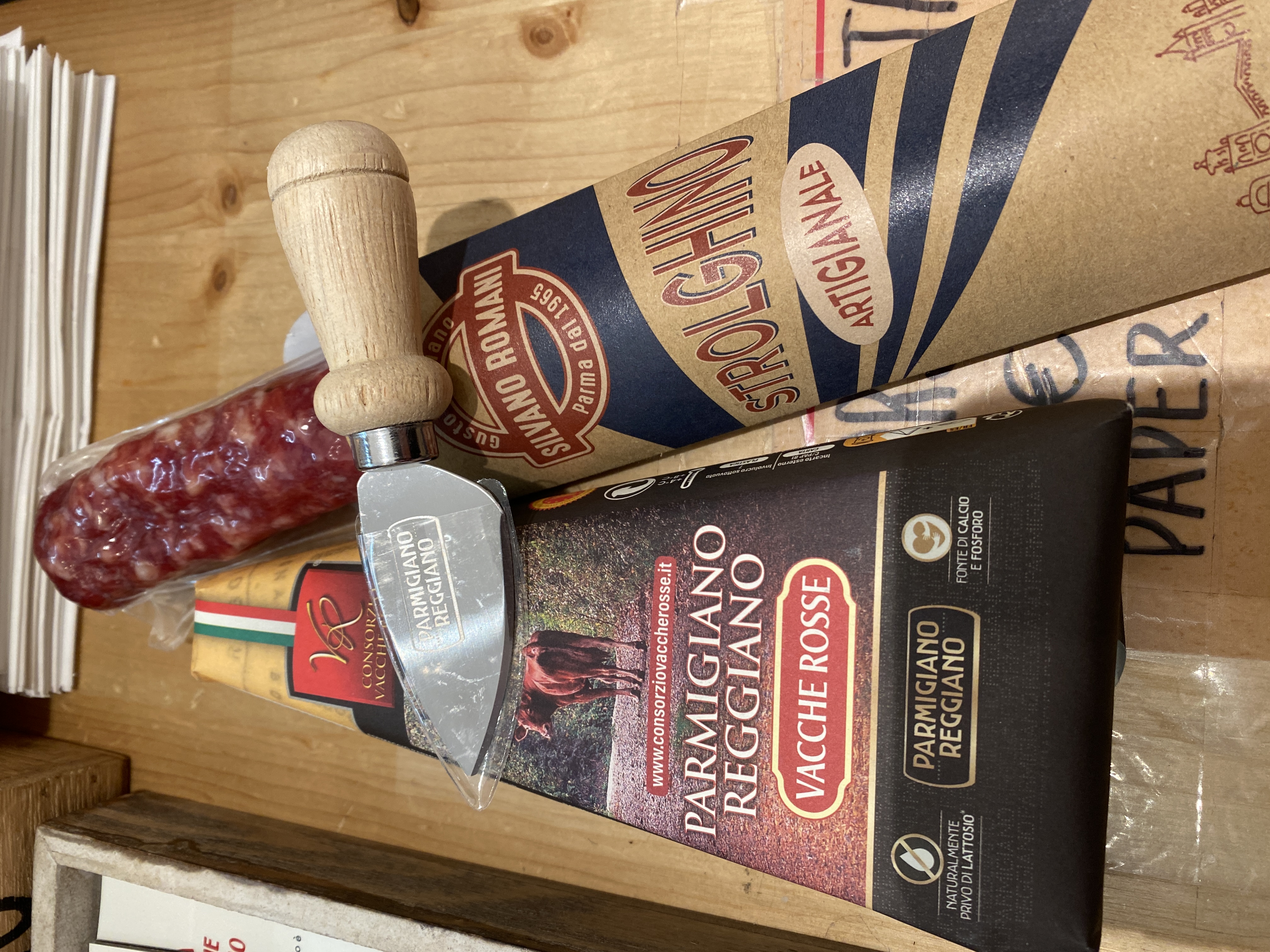
So yes, I did buy cheese there, and even a small cheese knife (adorable!) which the cheese guy swore would get on to the plane with me…and he was right! Apparently if it is less than 6 cm, it is allowed, which is crazy, because it’s still a knife, and still pretty sharp haha.
But anyways, Parma is a very cute city with all the normal sites:
-Cathedral, Baptistry
-Parco ducale (we had ice cream and walked around at the end of the day)
-Palazzo della Pilotta, which features the Farnese theater, the National Gallery, the Palatina library, and the architecture museum
-Basilicia de Santa Maria della Steccata
-Monasterio de San Giovanni Evangelista
-APE Parma Museum
-Pinactoteca Stuard
-Palazzo del governatore, in the main square
-Parco della Cittadella
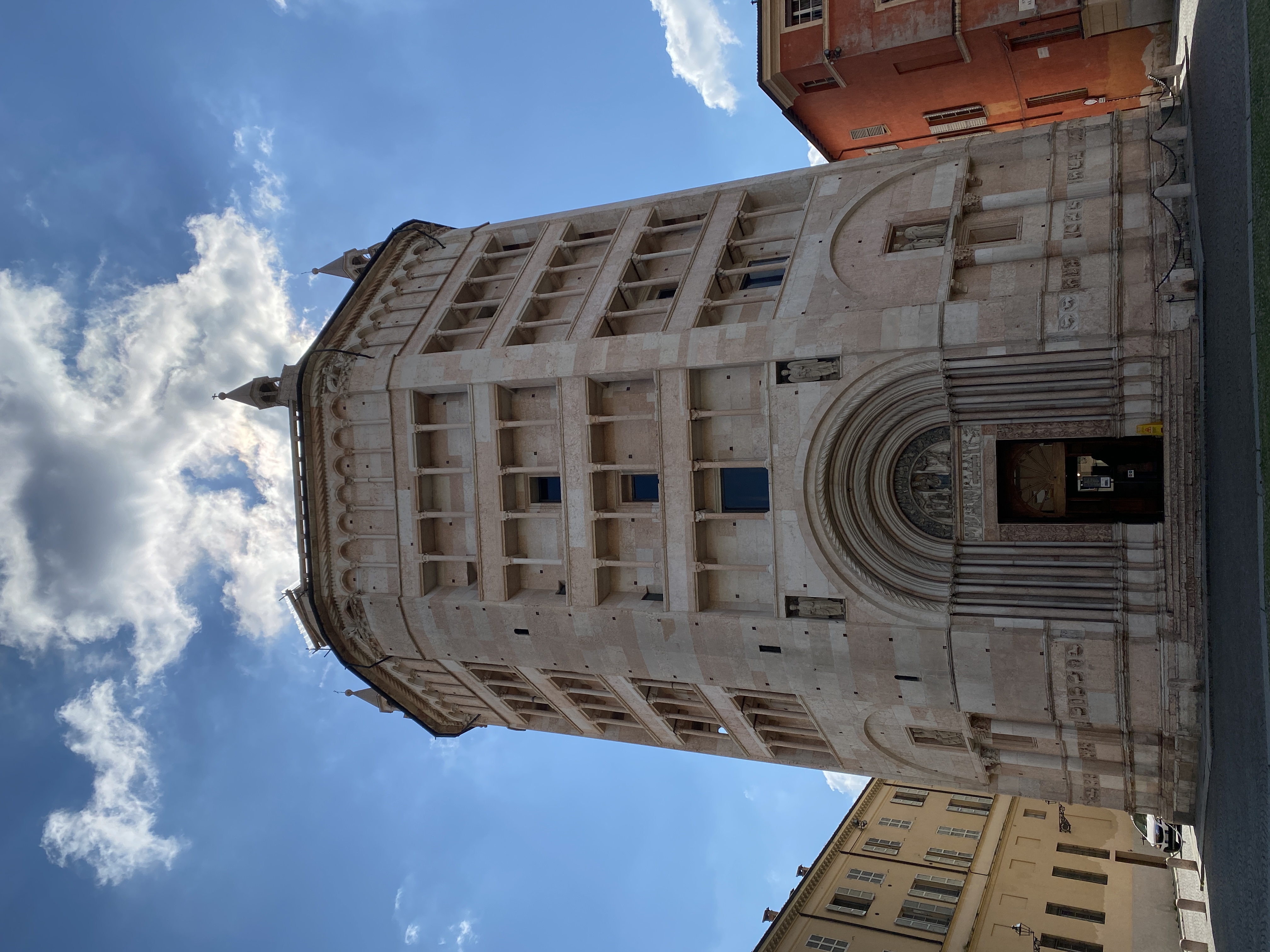
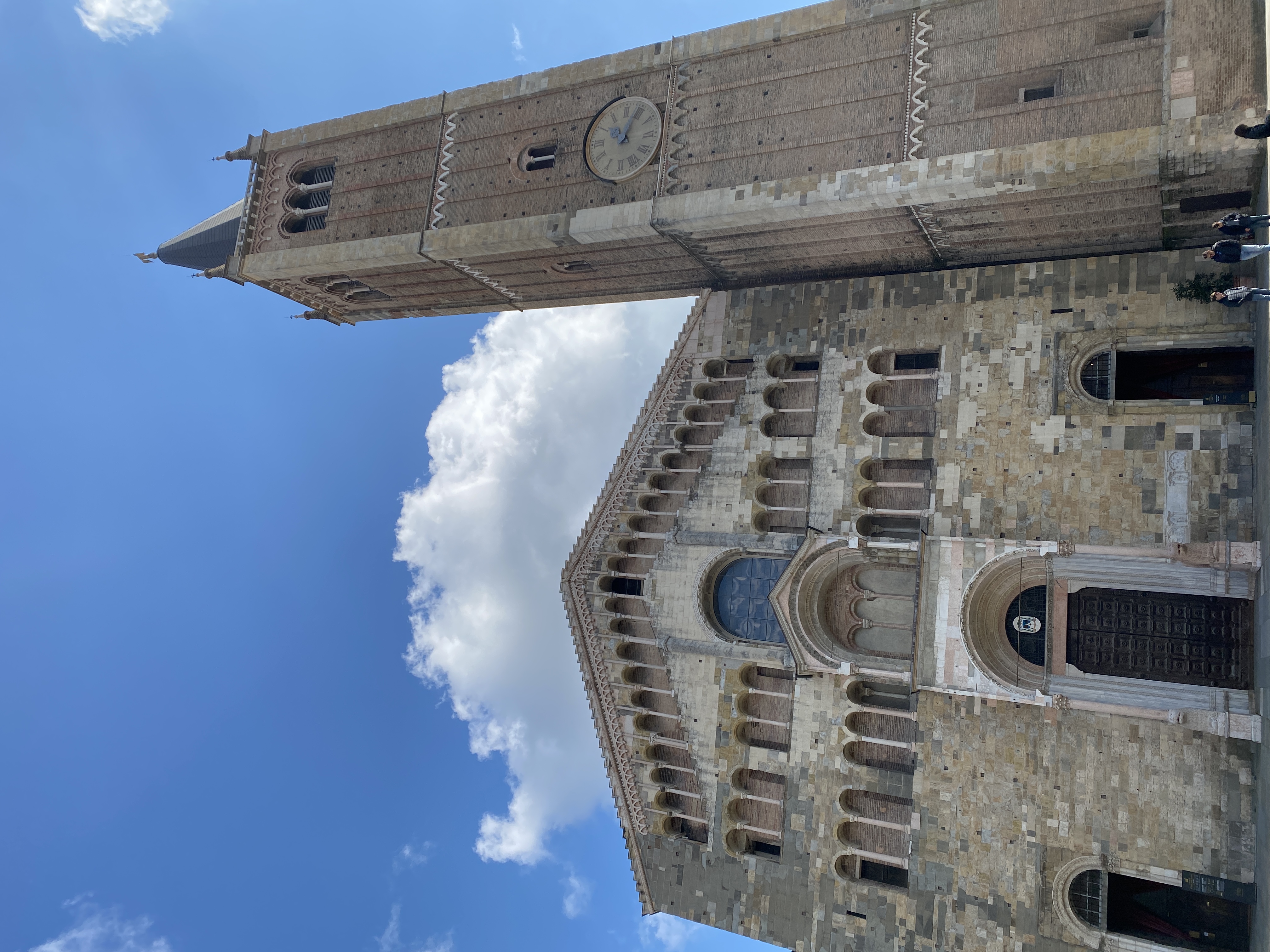
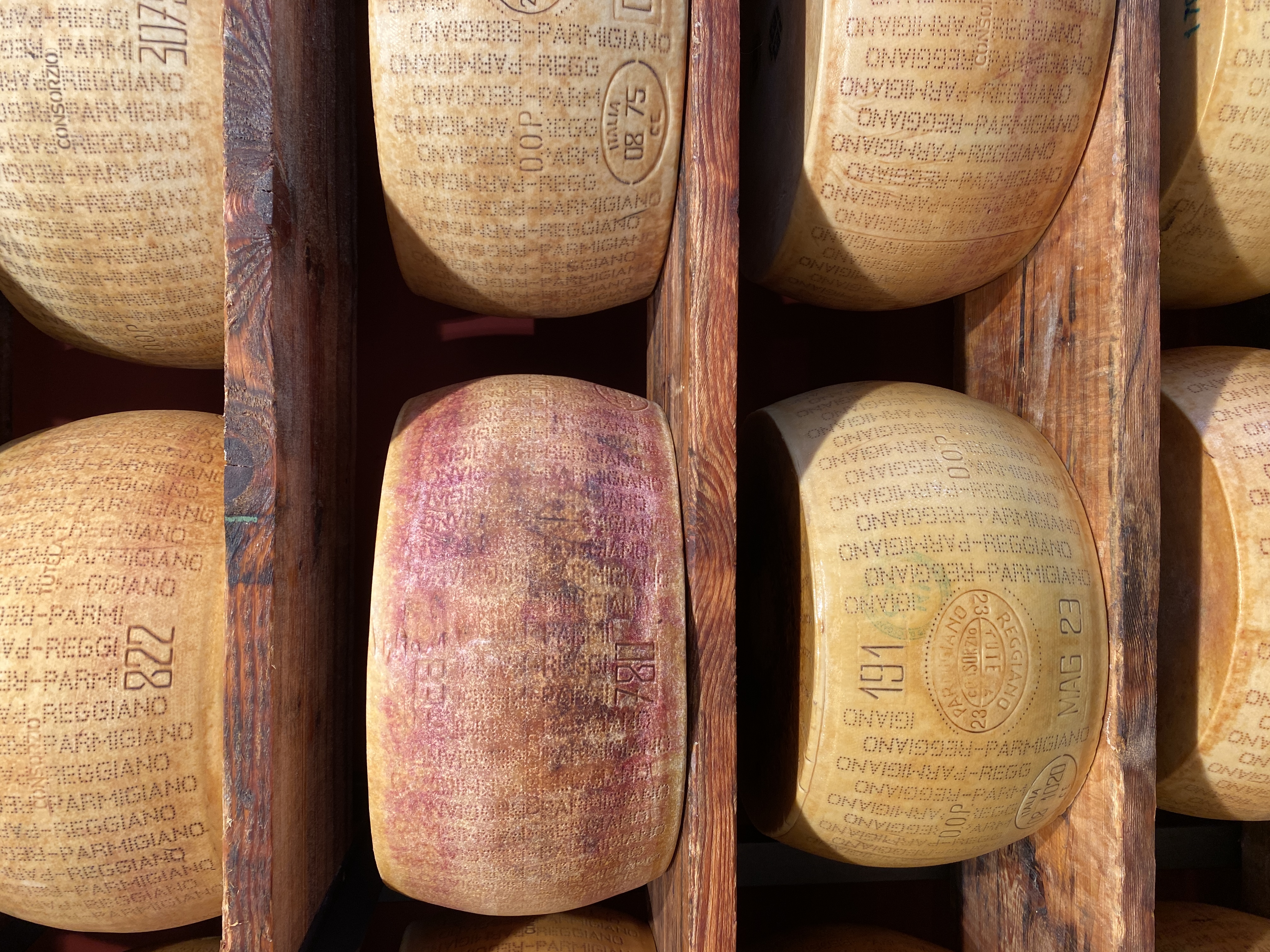
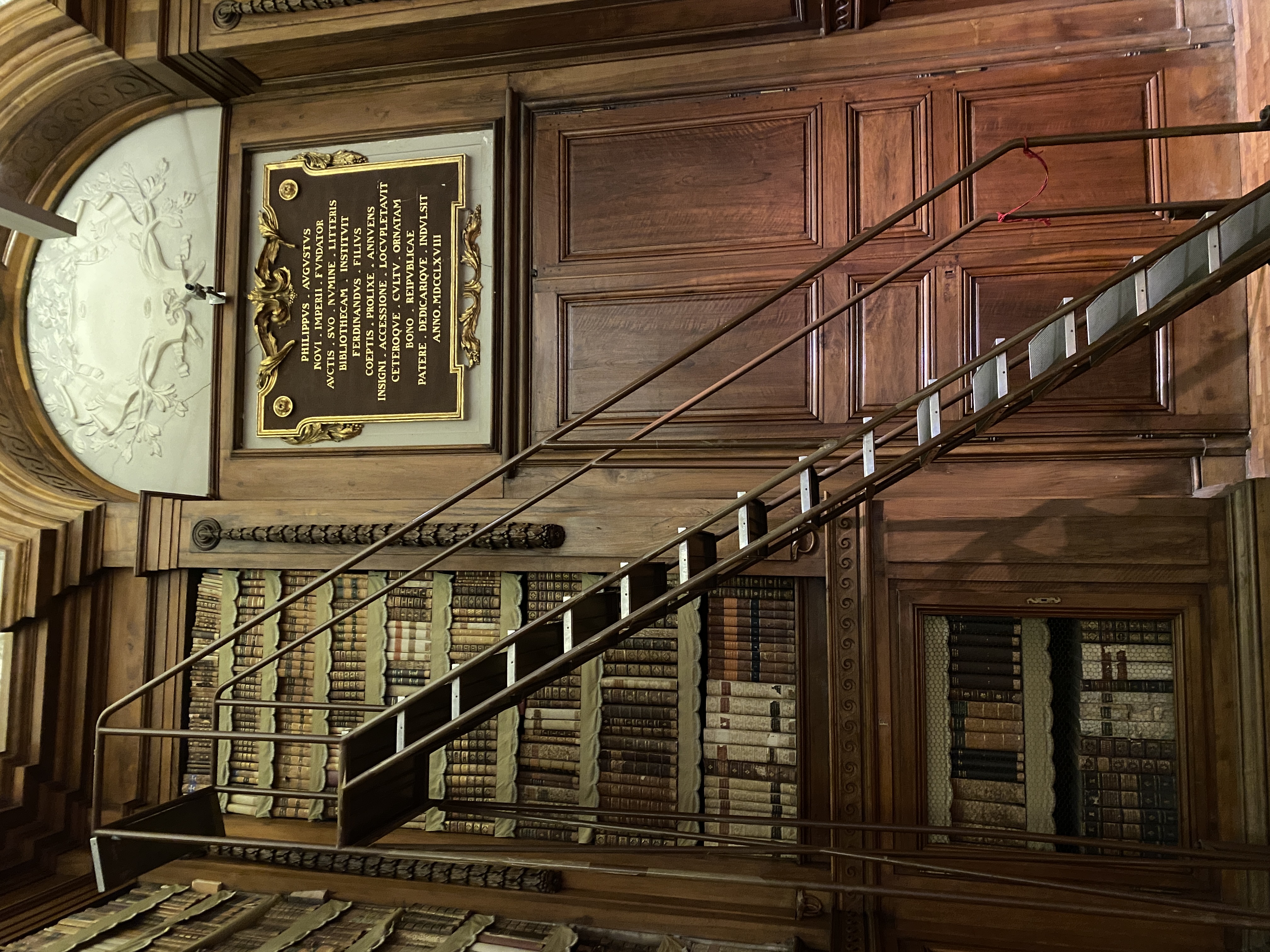
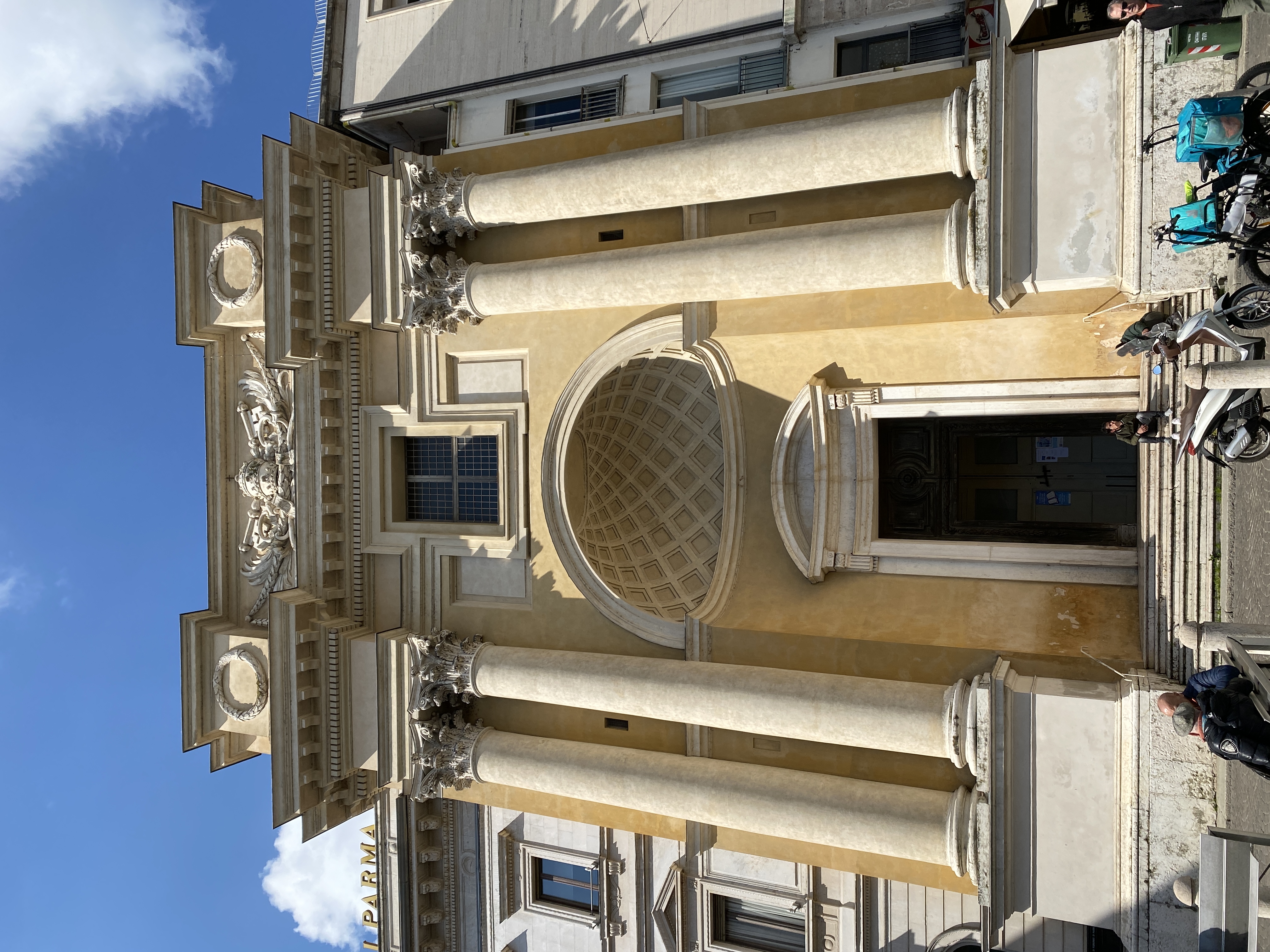
If I am ever near Parma again… which I really plan to be… I will also go on a tour of a cheese azienda and try different cheeses along with prosciutto. Yum!
Ferrara
One of our last stops was Ferrara, known for the Duke of Ferrara’s castle, Castello Estense, which is also featured in Maggie O’Farrell’s The Marriage Portrait. I read it last year and loved it (yes, even more than Hamnet!) and was so excited to be able to go inside and read about its history.
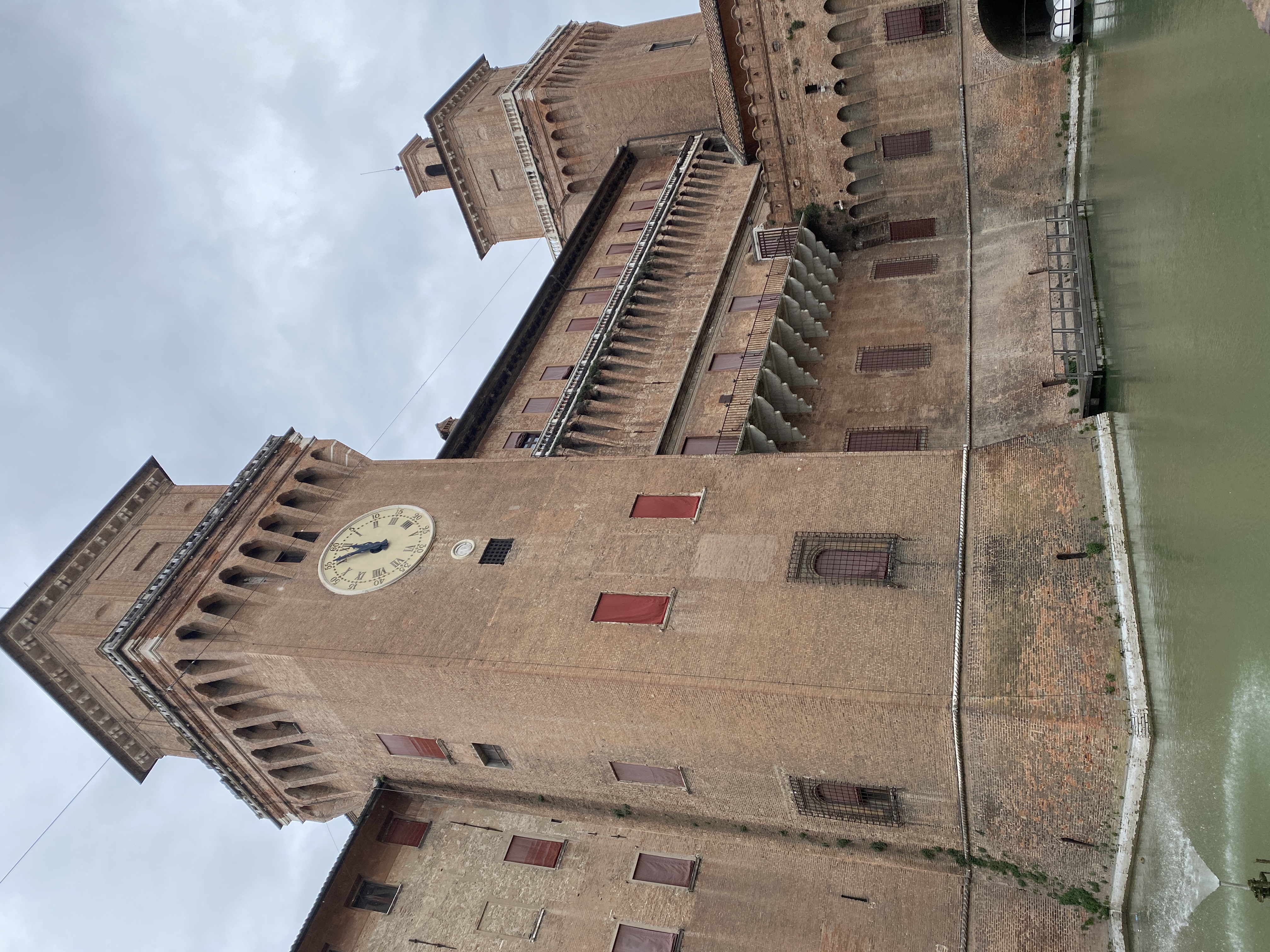
In addition to the castle, we saw:
-Museo Schifanoia, featuring wall murals painted hundreds of years ago
-Piazza Trento e Trieste
-Torre dell’Orologio, Catedral of San Giorgio, Palazzo municipale, Tower of Victory (these four are all right next to each other in the same square)
-Palazzo dei diamanti, which houses the Pinacoteca and is known for its design of 3D diamonds on two of its walls
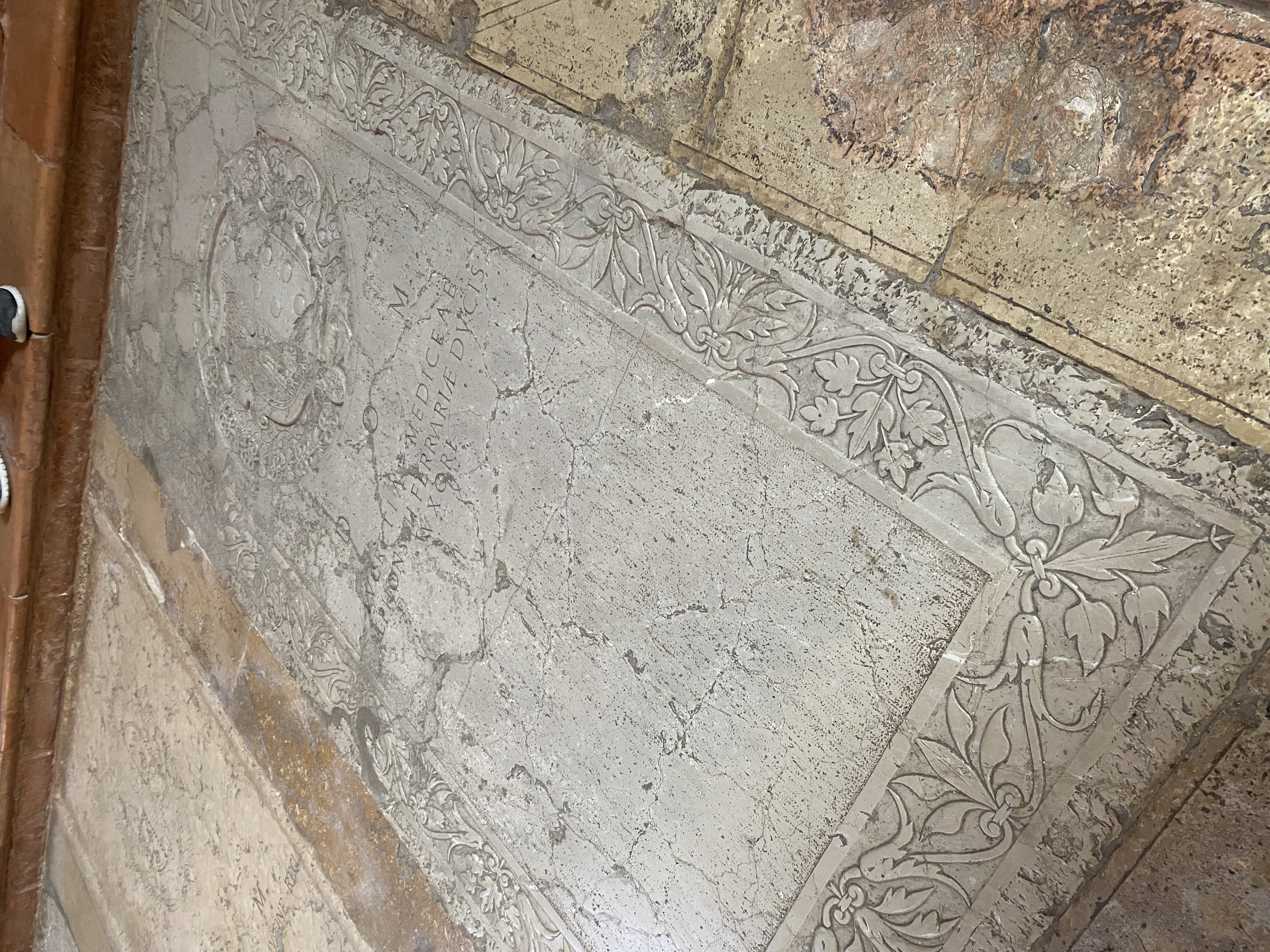
-Monastery of Corpus Domini, where Lucrezia de Medici, Duchess of Ferrara is buried (she was the main character in O’Farrell’s novel; it is rumored the Duke murdered her by poisoning)
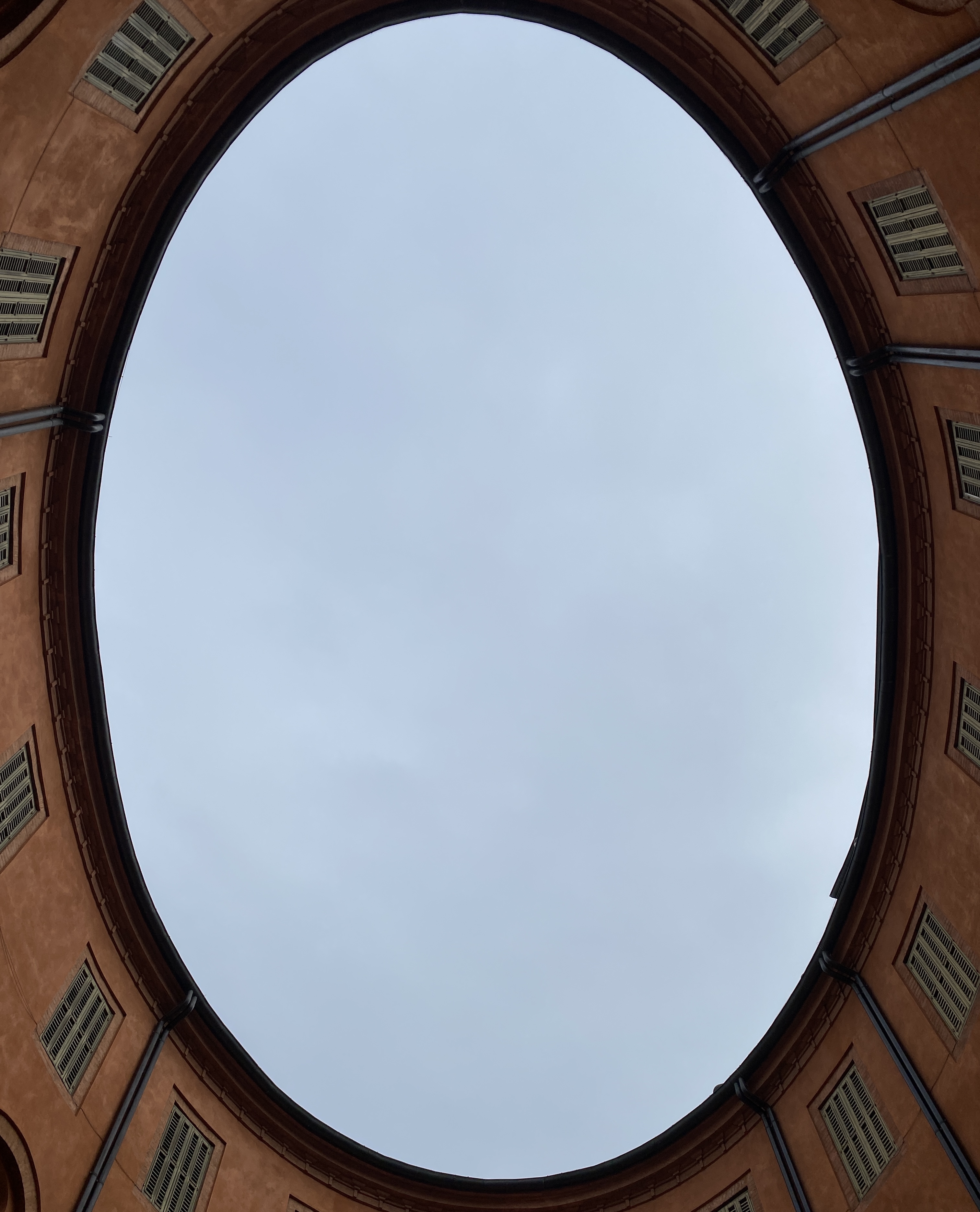
-Rotonda Foschini, a building forming a perfect oval at the top
-Via delle volte, a medieval street in the Jewish Quarter
-Church of Santa Maria in Vado
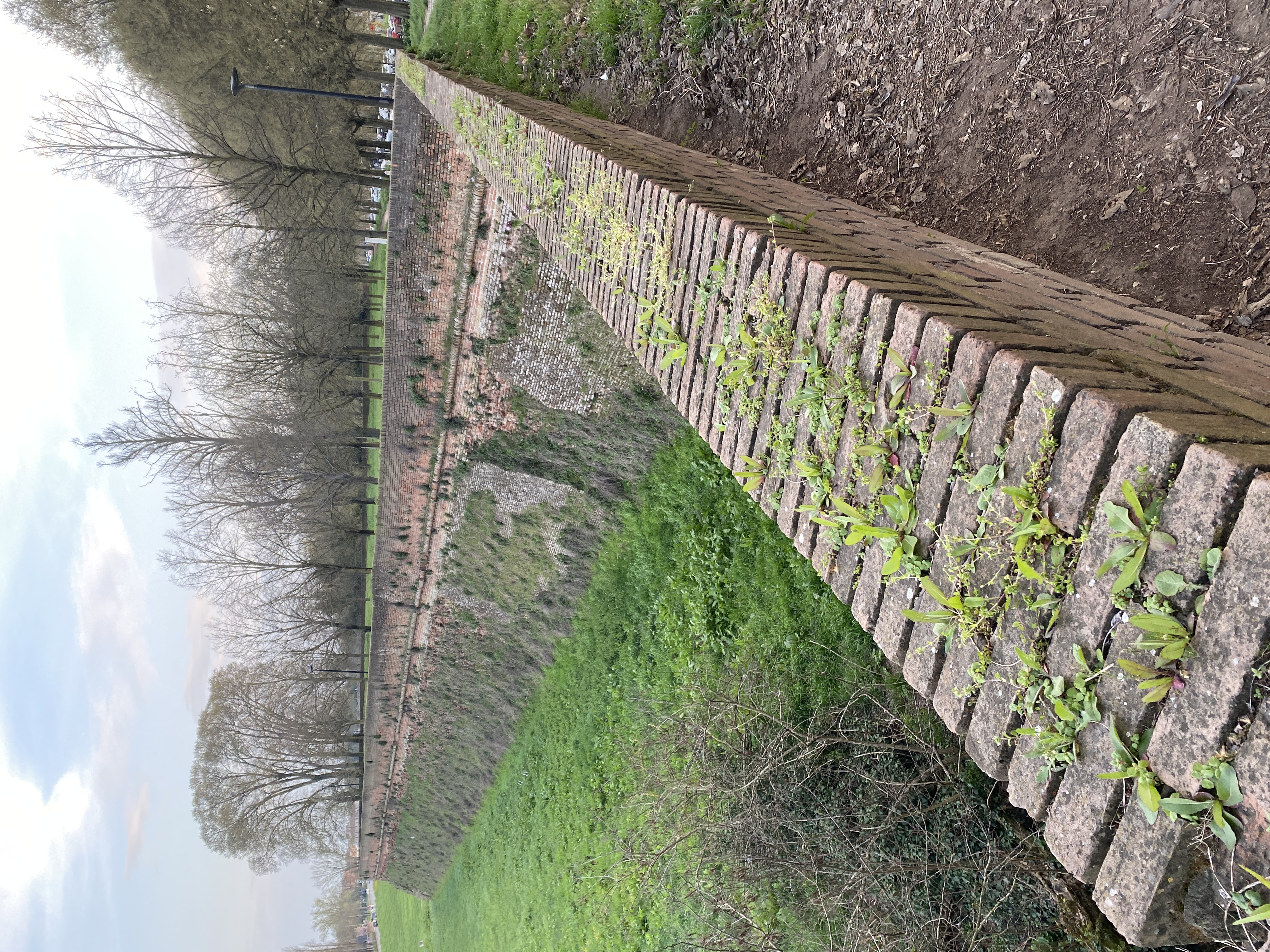
-Old city walls
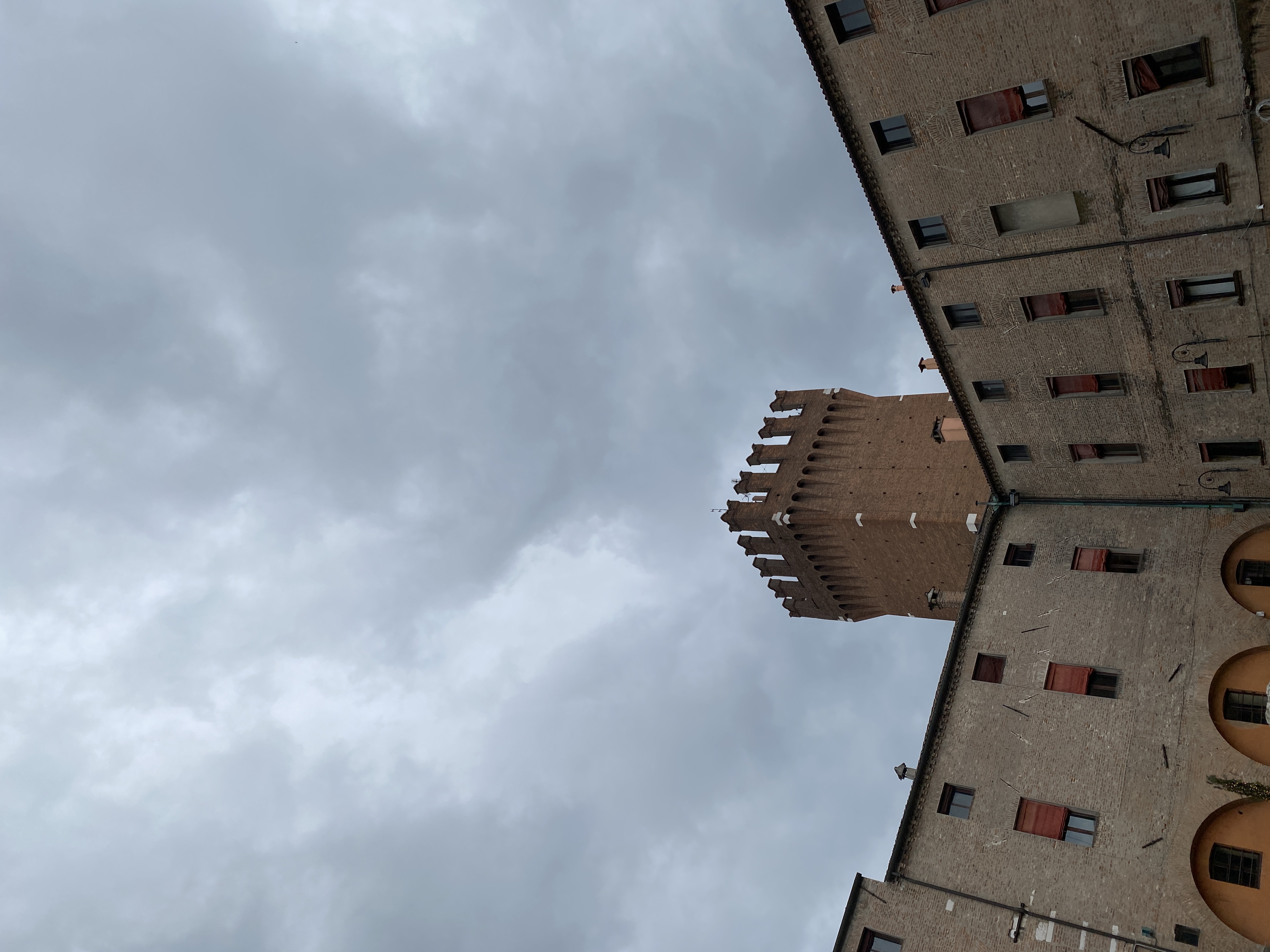
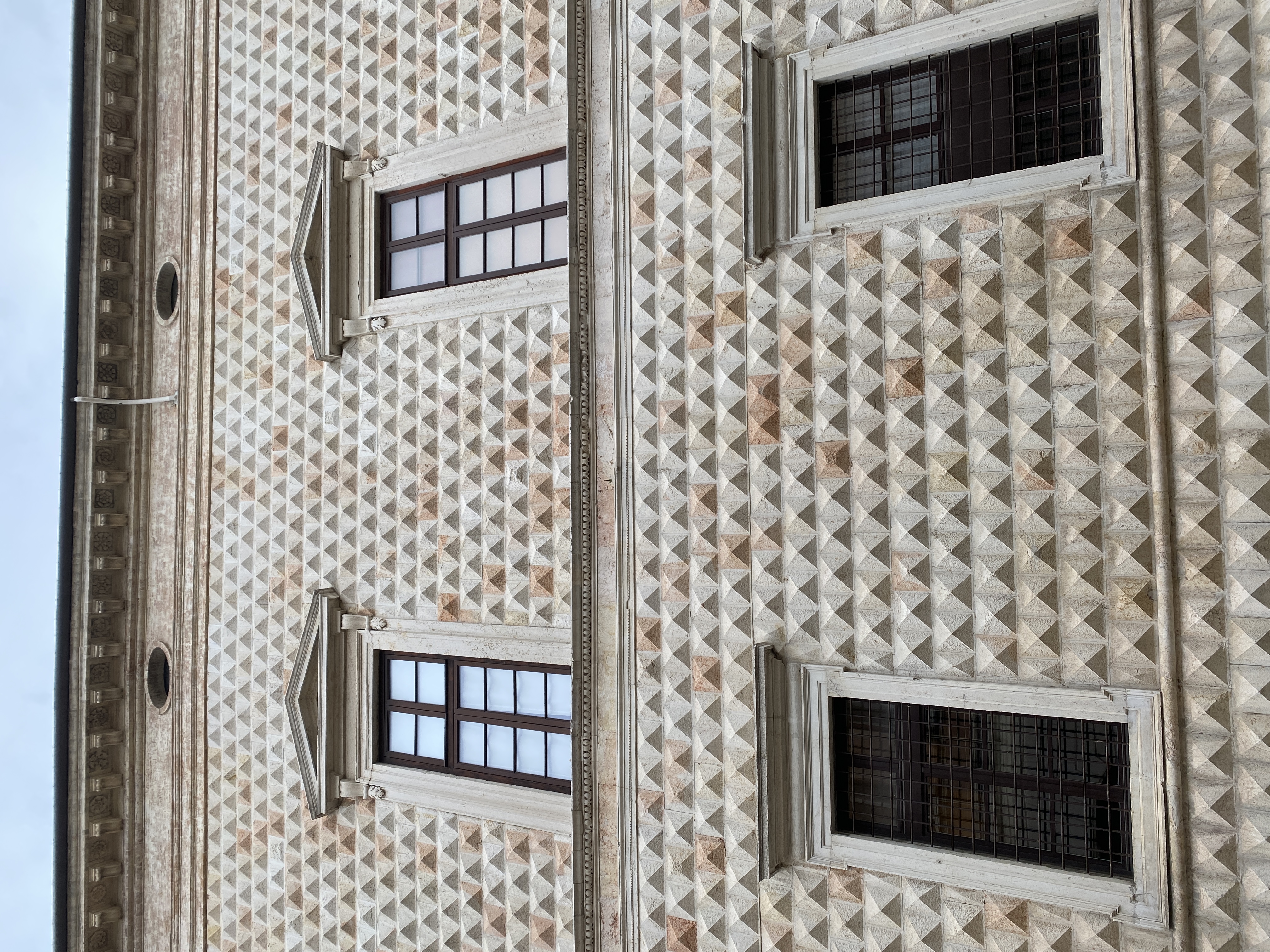
Comacchio
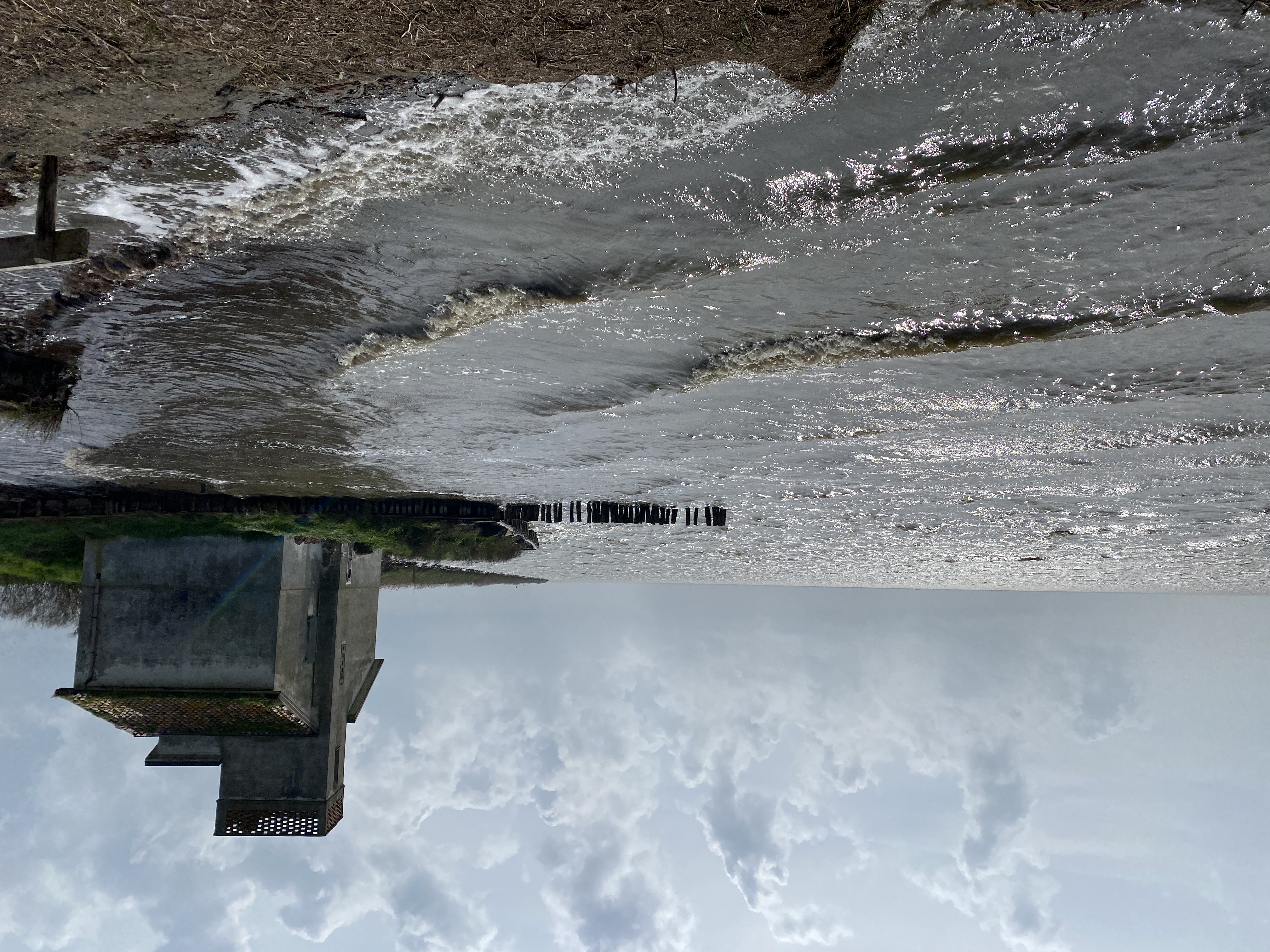
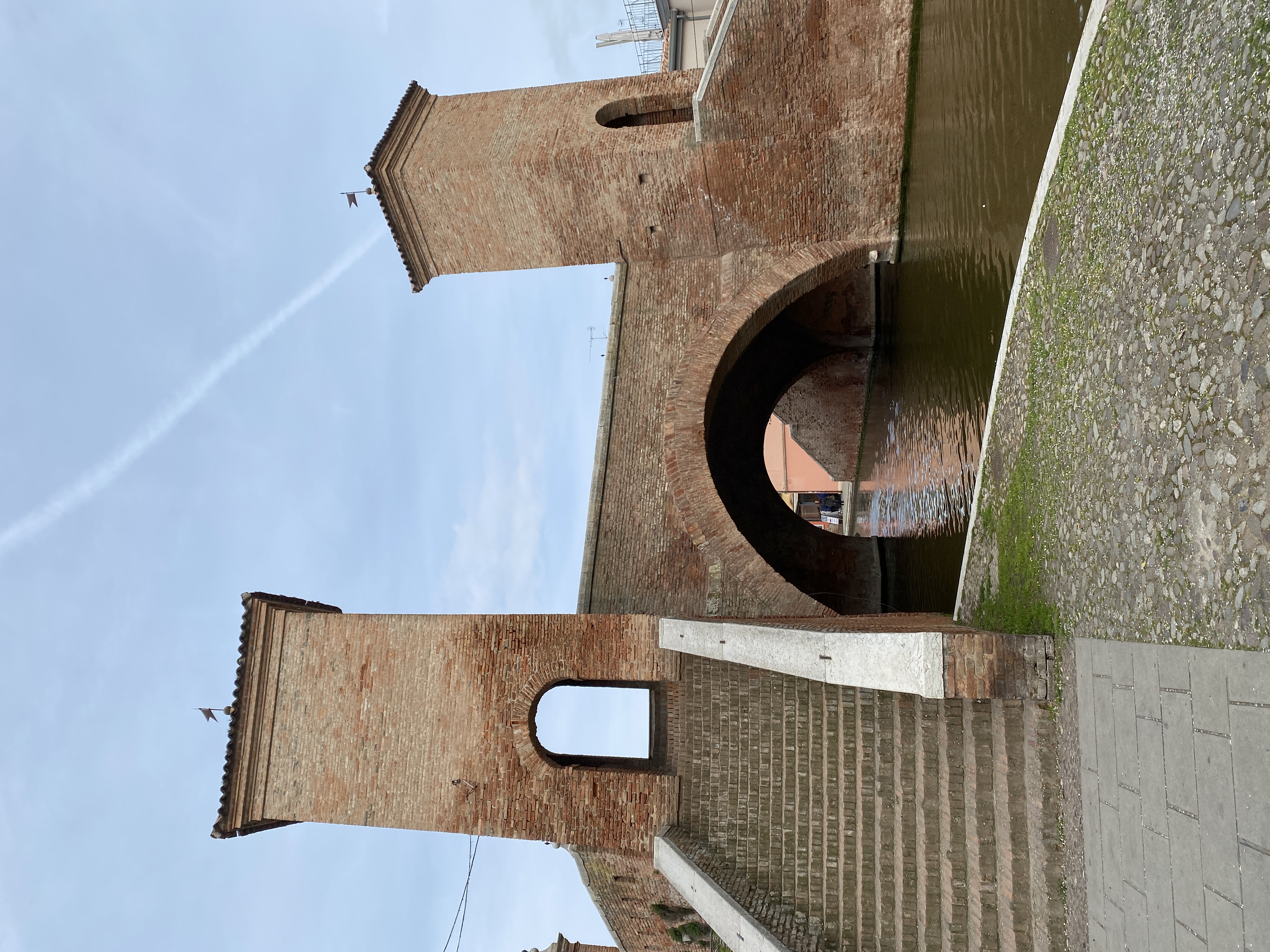
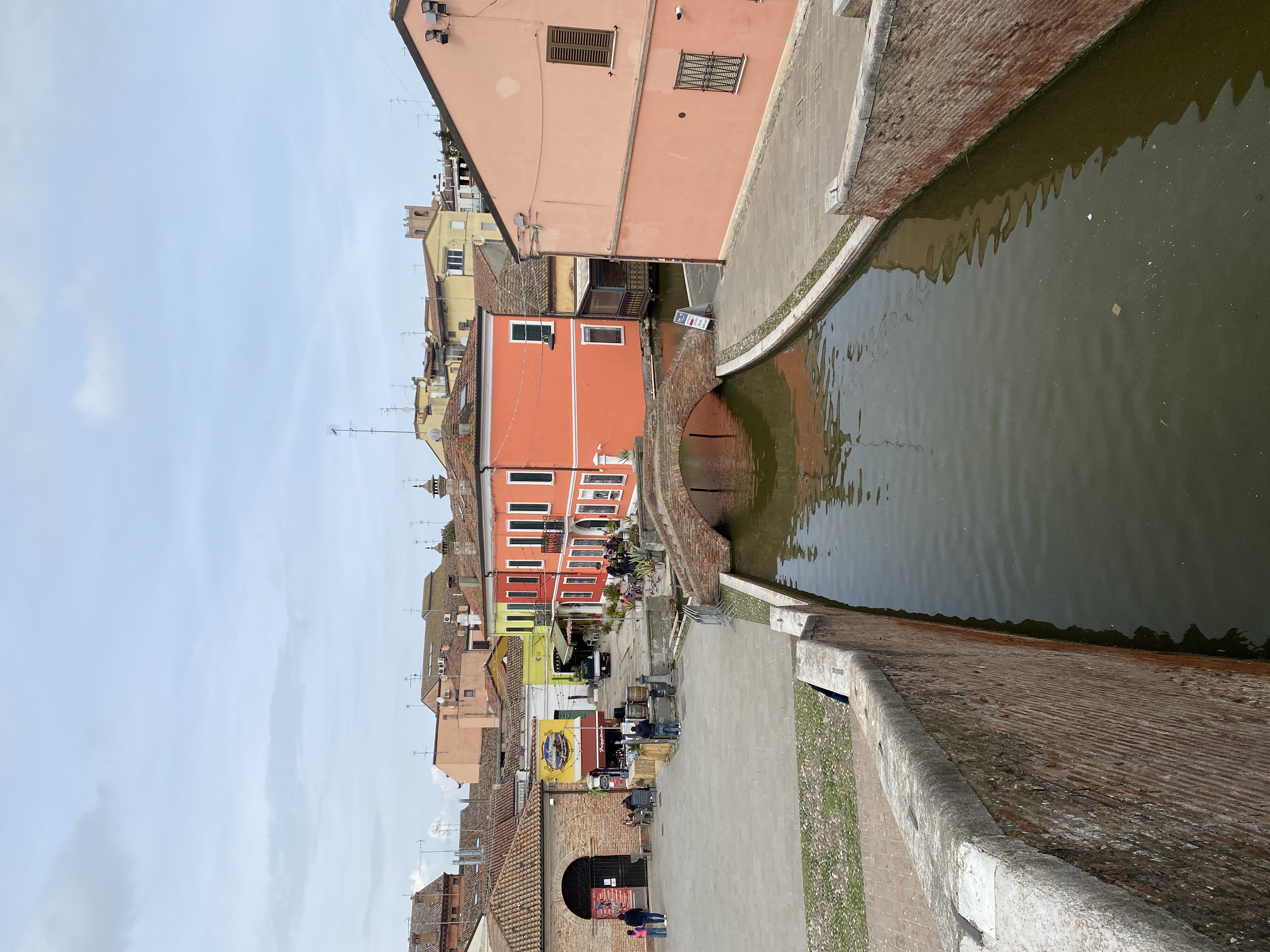
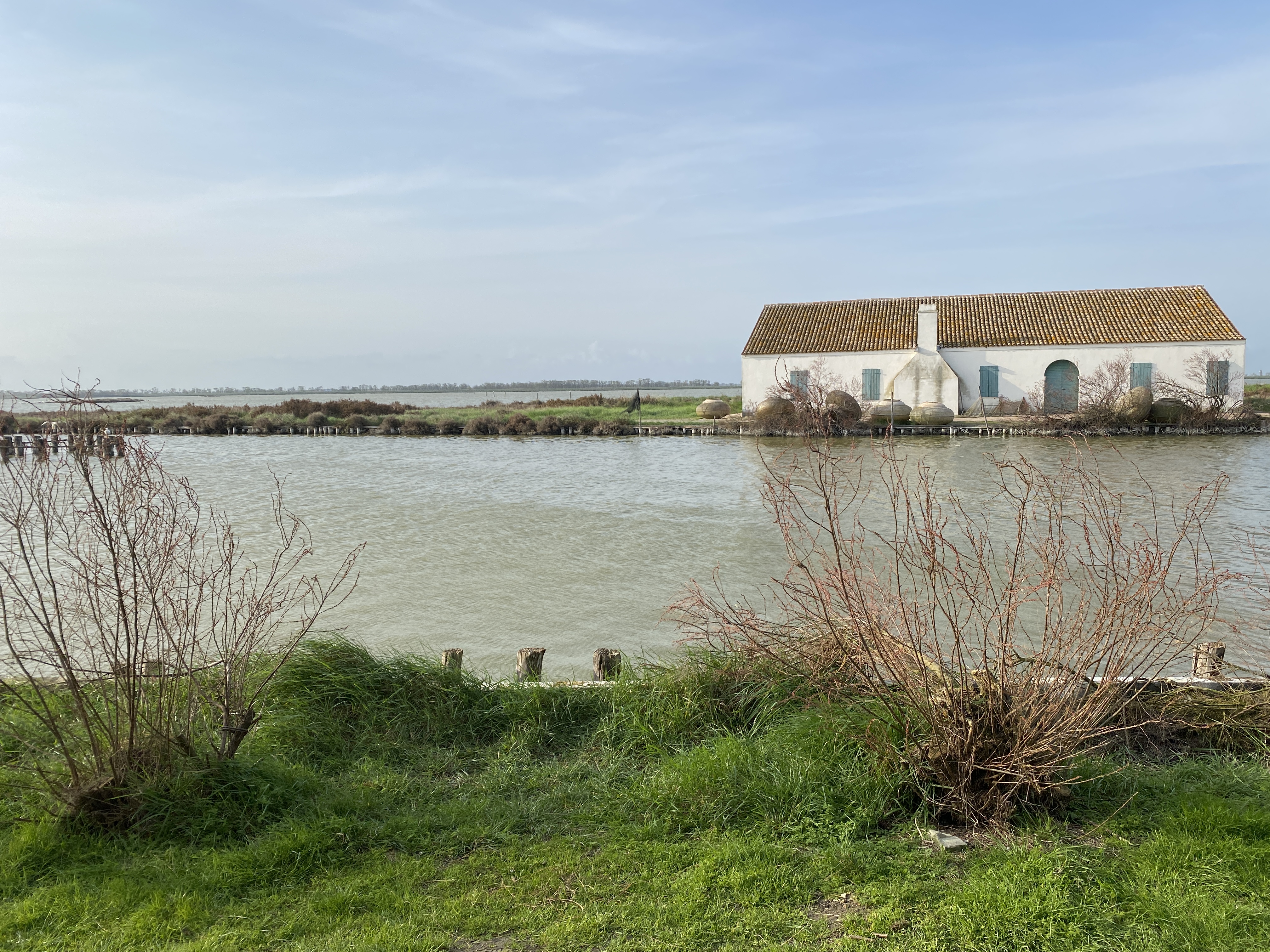
Comacchio is a village once famous for its eel fishing, and now is a protected wildlife area for more than 40 species of birds, including thousands of flamingos that migrate there each year. It resembles Venice in that there are quite a few canals, and one big bridge in the middle of them. While there, we went on a boat tour of the protected area to see the birds and the fishing houses that are preserved for tourists.
Riola
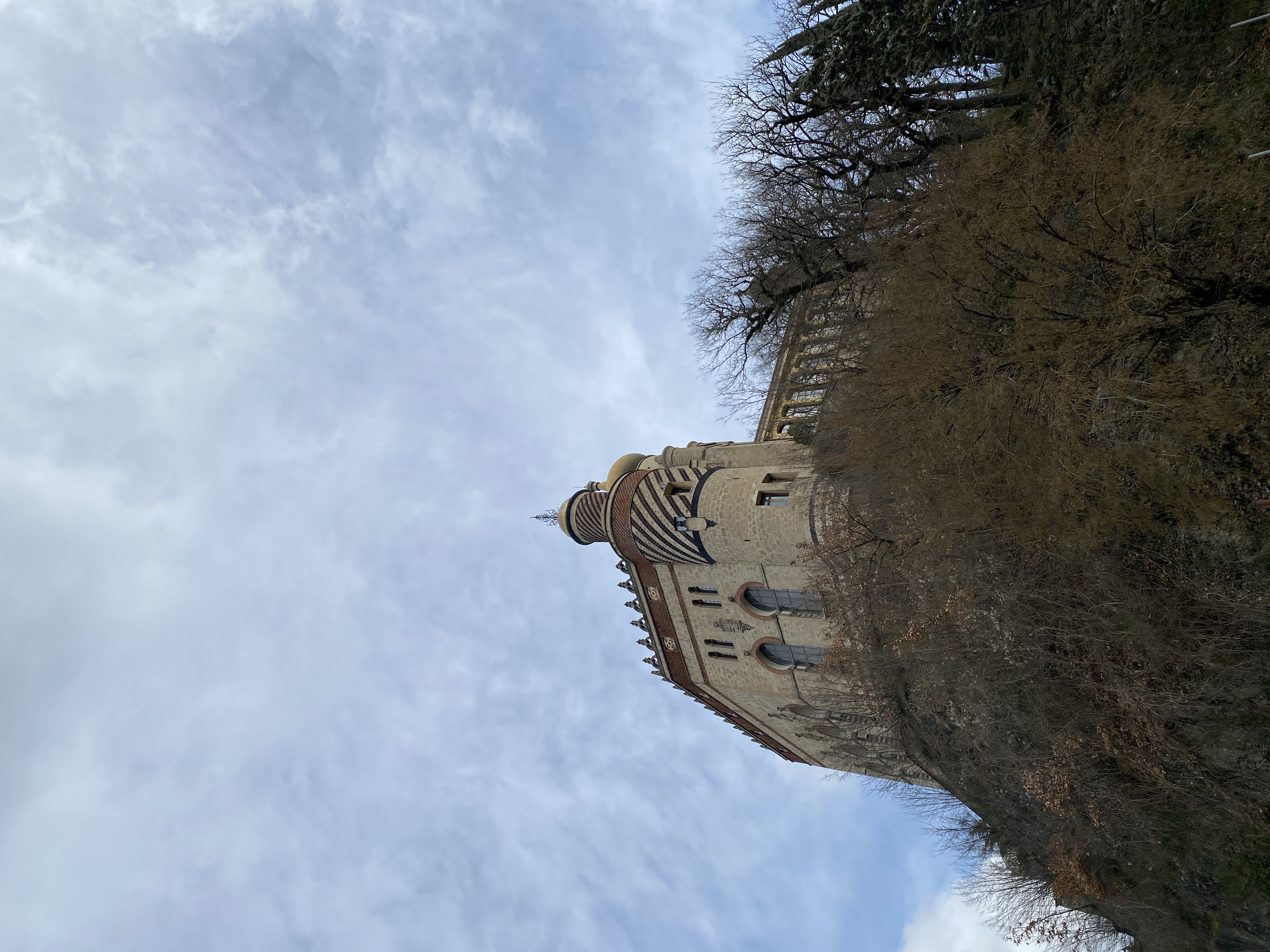
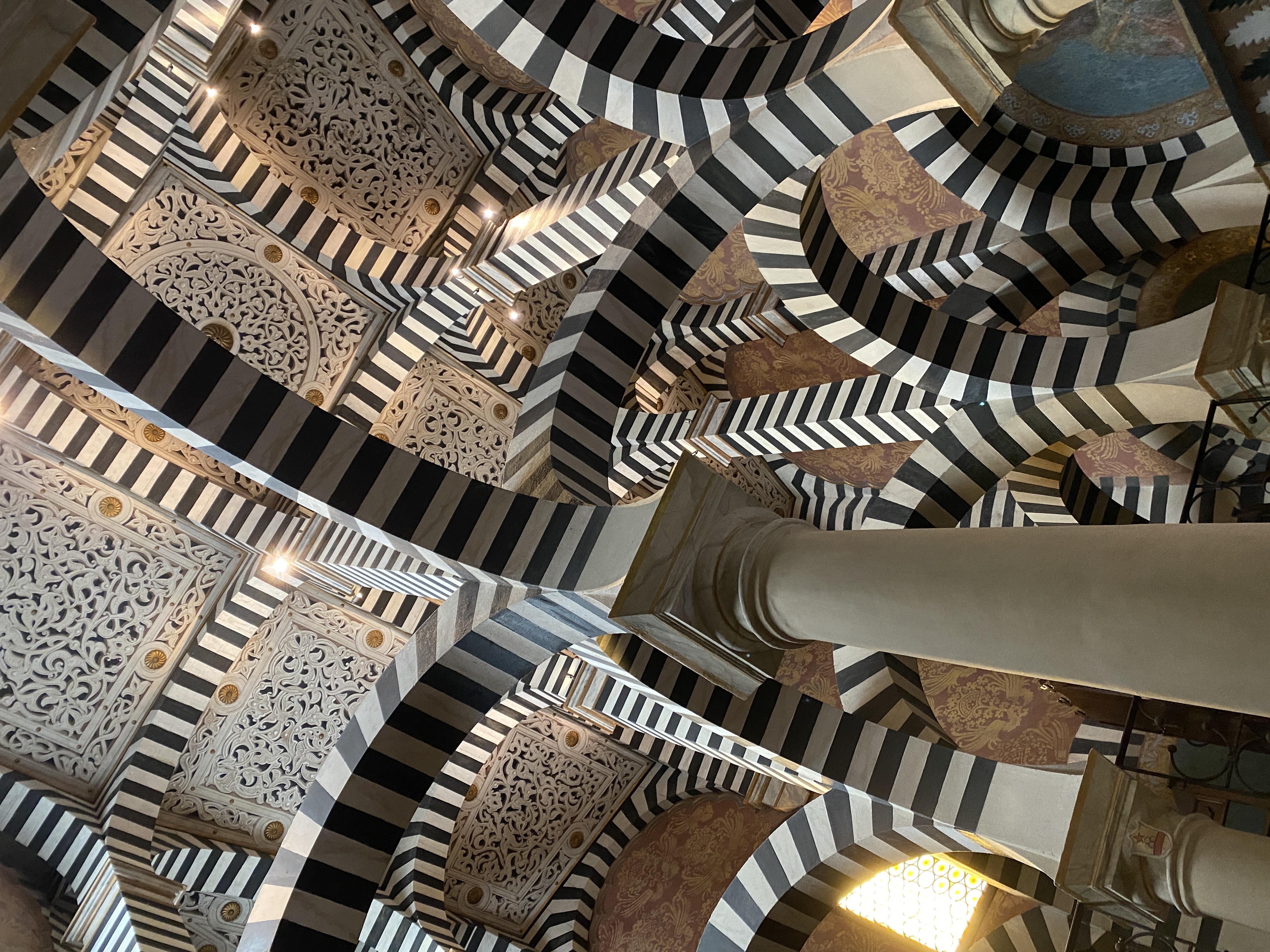
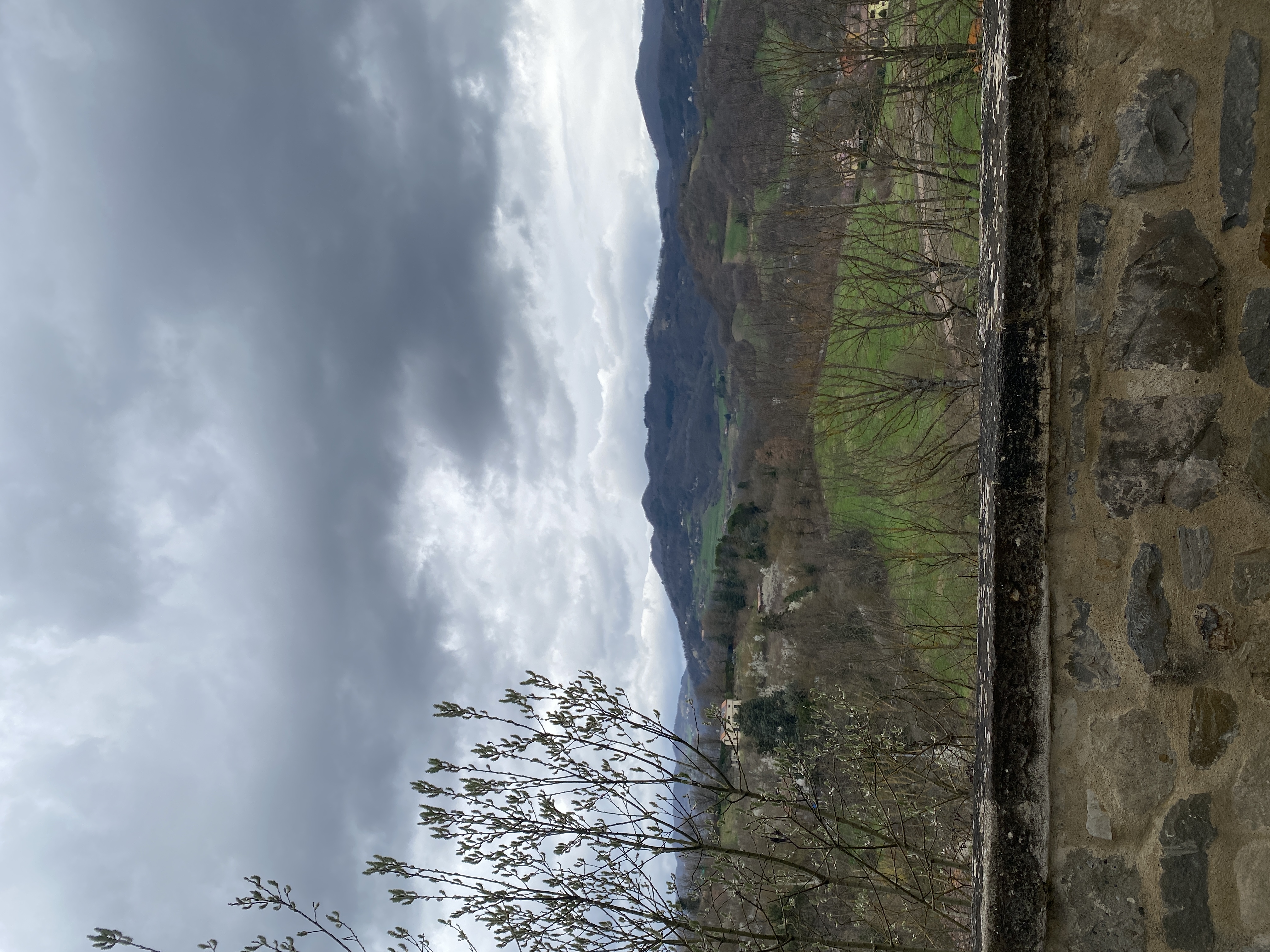
Riola is another tiny village, but it features the Rocchetta Castle, built by Count Cesare Mattei in the 1800s. He got rich off of a medicine he created called ‘electrohomeopathy’ and built this eclectic castle, which is a mix of styles all jammed together. An example of a rich guy with no artistic taste, if I may go so far. He really loved the architecture of Granada and Córdoba, strangely enough, which you can see in my pictures, and died before it was even finished. Weird as it was, it was nice little day trip into the countryside and made for a nice break from running around the various cities we went to.
There are, of course, even more cities close to Bologna by train, such as Modena (think balsamic vinegar!) and Verona, both of which I am already planning for my next visit! As they say, Italy is always a good idea 😉