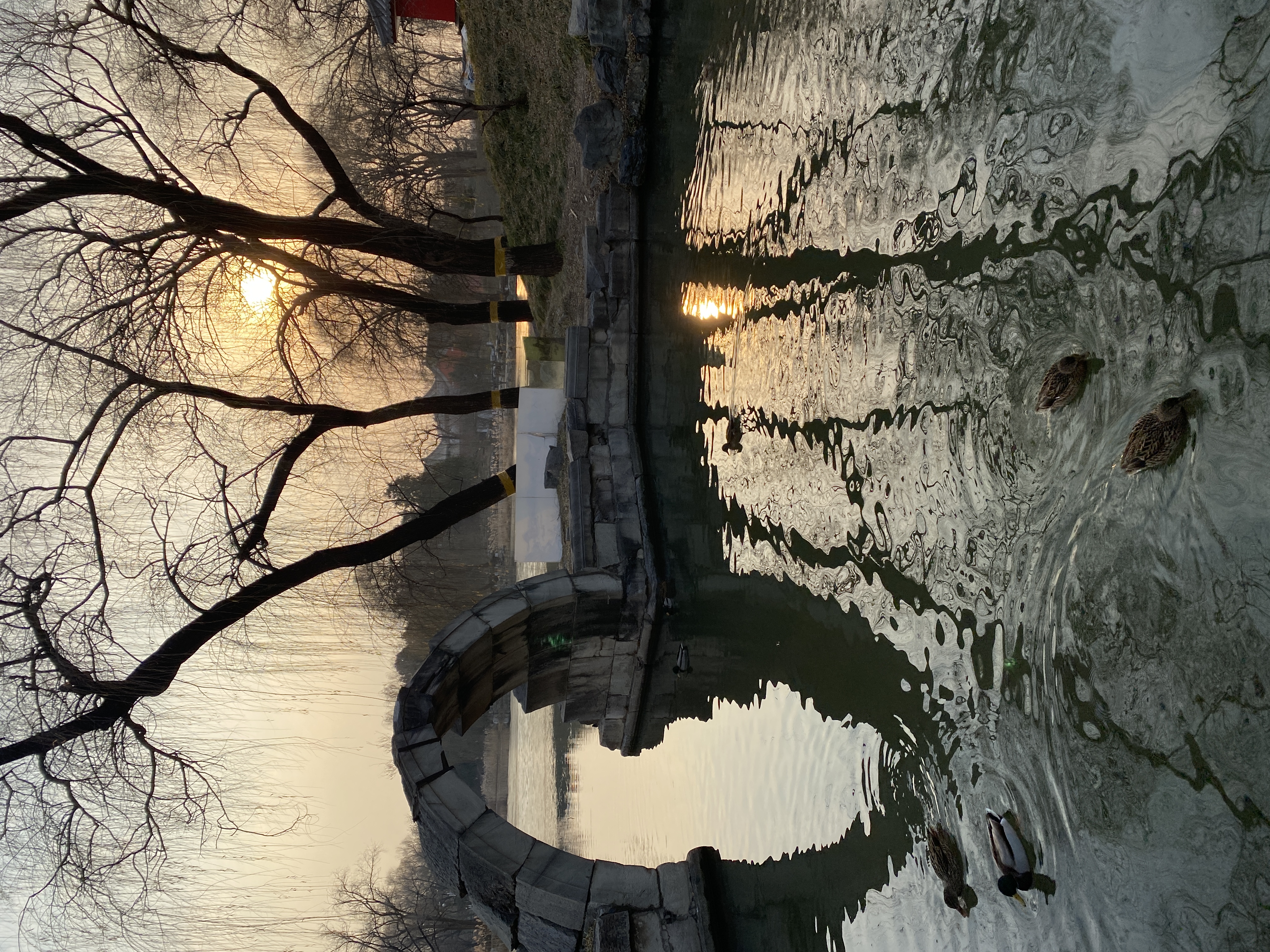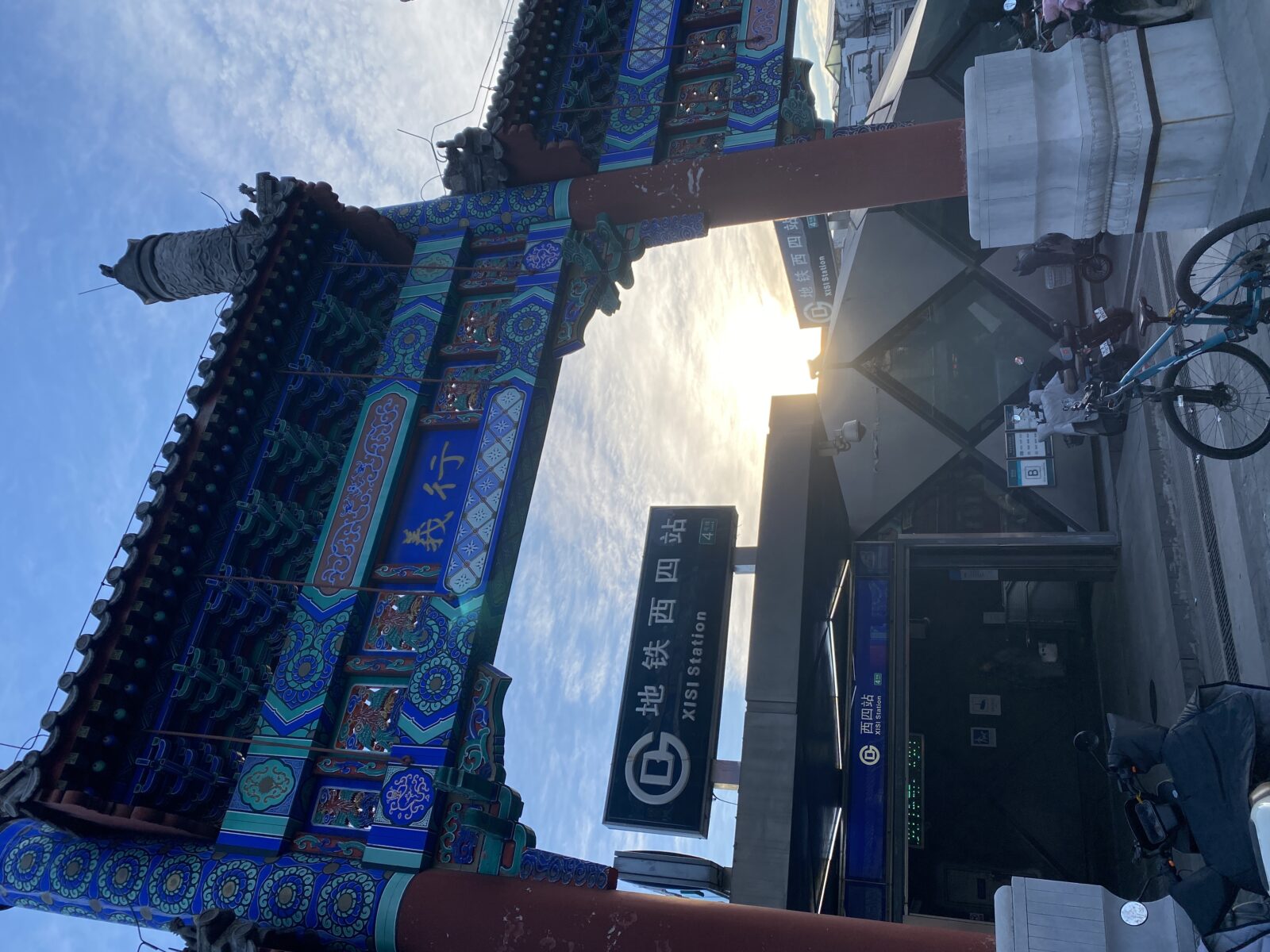
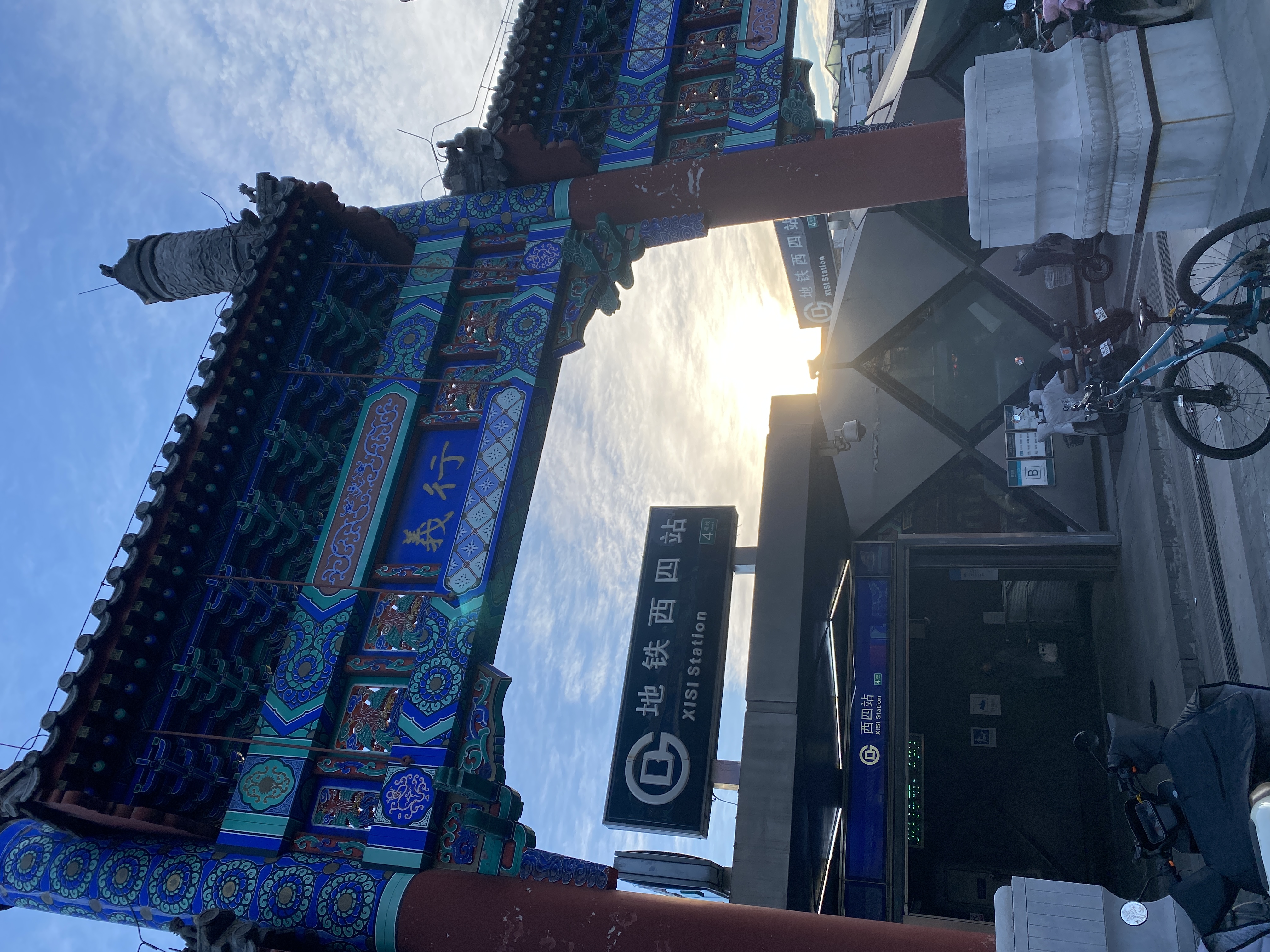
I’m not going to lie: the thought of planning a 23-day solo trip to China was overwhelming and intimidating in the beginning. I was worried about the internet (both having it and accessing it) and the cultural divide, especially because I would have to navigate it by myself. But in the end, it exceeded my expectations in every way, and it is, if not the best, one of the best trips I have ever taken – definitely in the top 5! All it needed was a little extra planning than a ‘normal’ trip would.
First I made sure I had all the apps I would need, downloaded and ready to use (with my payment info already put it). This included WeChat, AliPay, and Didi (like Uber). I paid for a VPN for one month, as well as an eSIM for data. Normally I wait until arrival to get a SIM card, but it felt better to have it in advance, even though it was more expensive. I also booked all my train travel about a month in advance, so my itinerary was more or less all planned out.
When most people go to China, I think they only plan to go one time, and thus try to hit all the ‘big’ cities in the same go. However, that is not my style, and with a country as big as China, I knew before even starting to plan that I would be back – if only for the January ice festival in Harbin, one of my dreams! So I decided on a route starting in Beijing, then going to Jinan, Xi’an, Chendgu, and Datong, before heading back to Beijing for a couple days at the end of the trip. I added in a few day trips to the Great Wall (twice), Dujiangyan, and Leshan, and I was all set.
Each place I went to was picturesque, had any number of things to see and do. At the risk of waxing poetic (this draft is already 900 words long), I am going to simply list the main attractions of each place I went, because lastly I want to talk a bit about the things that surprised me, which in this case were more than the usual.
Beijing
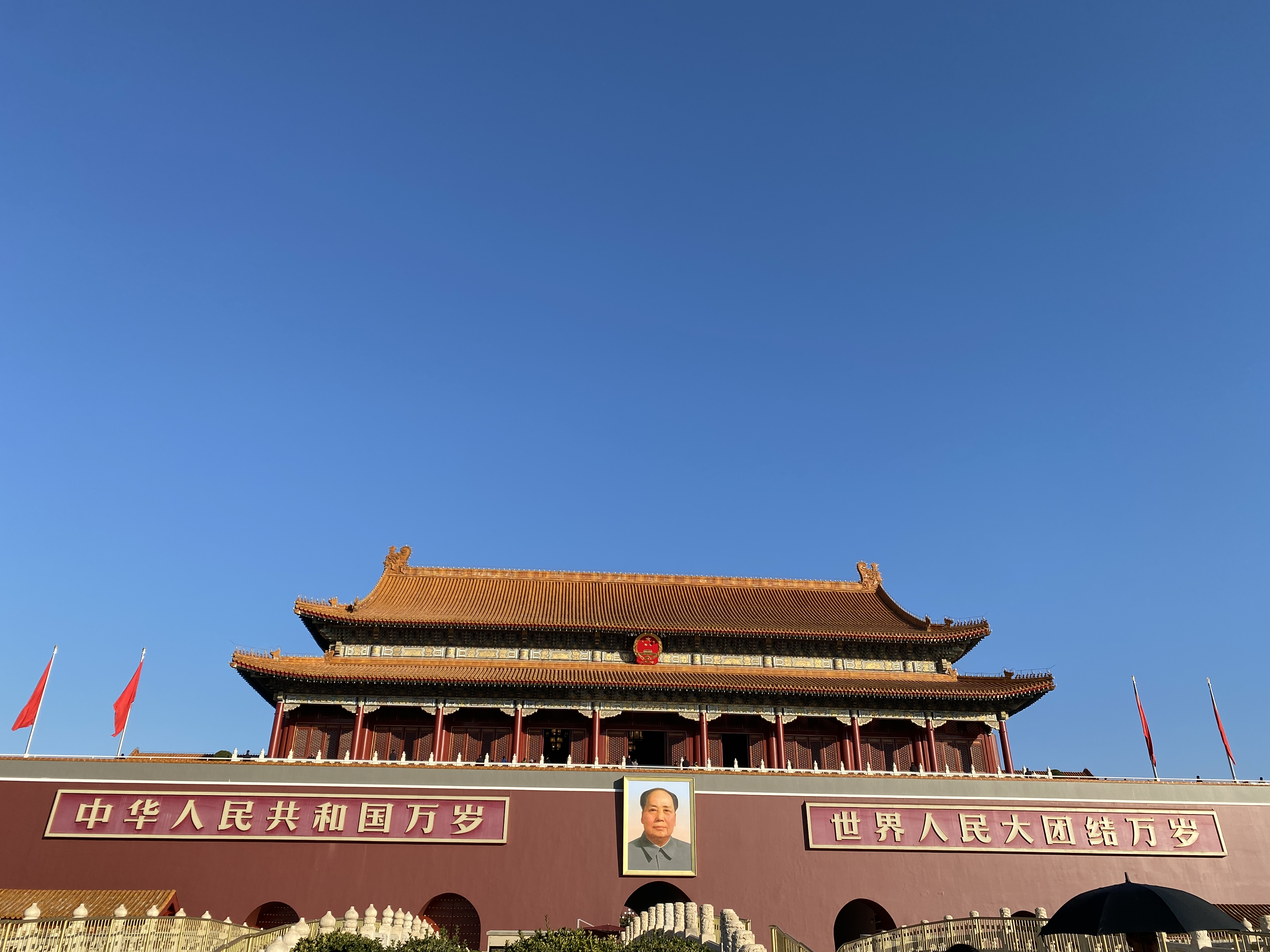
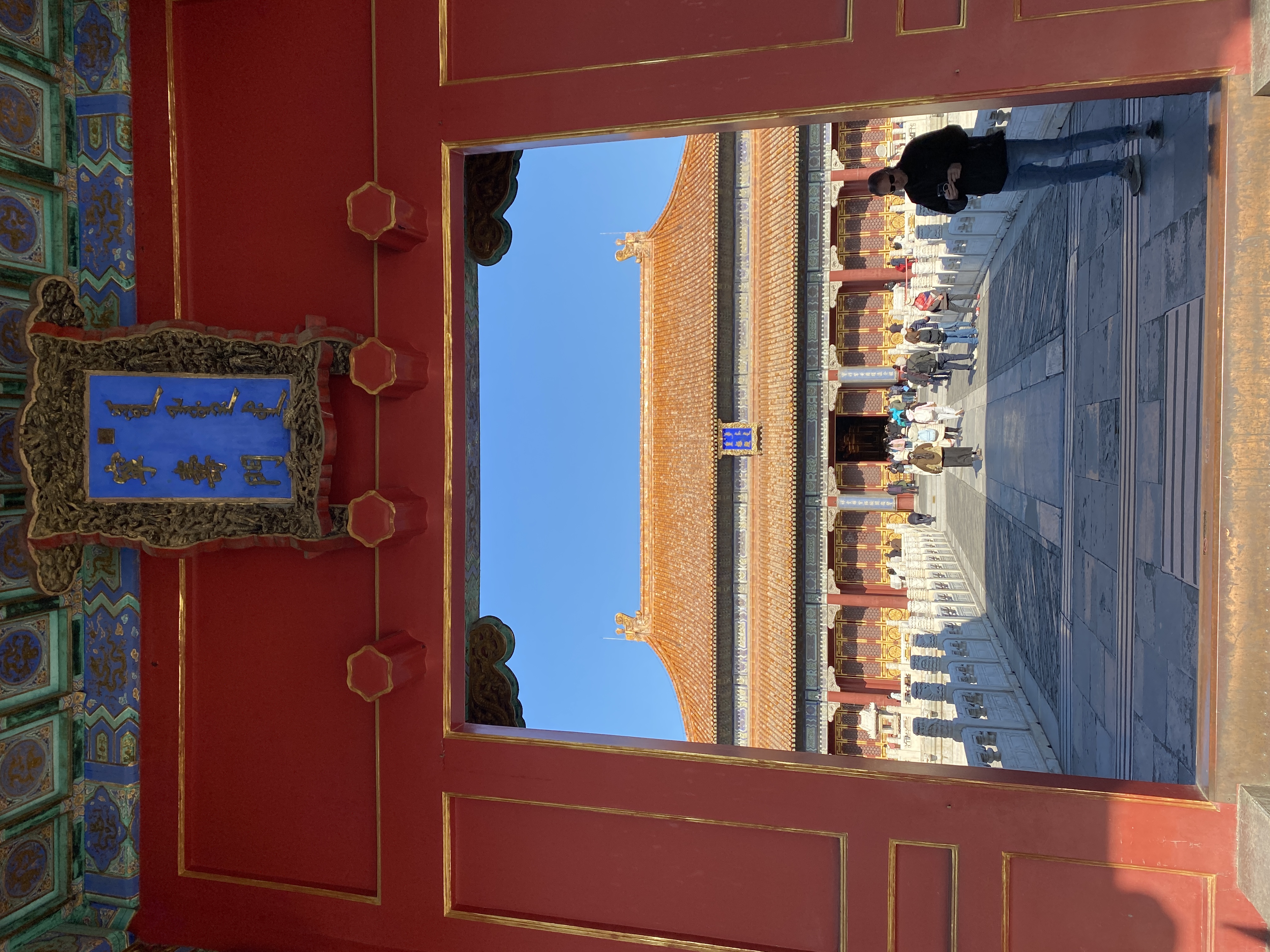
-The Forbidden City and Tiananmen Square: basically, the easiest way to see these two are with a guided tour, because you can end up waiting hours to get in without one.
-The National Museum: this was almost as hard to get tickets for as Taylor Swift (lol), since you have to book a week in advance and tickets do run out. Since I was in Beijing at both the beginning and the end of my trip, I ended up getting tickets for my last day there.
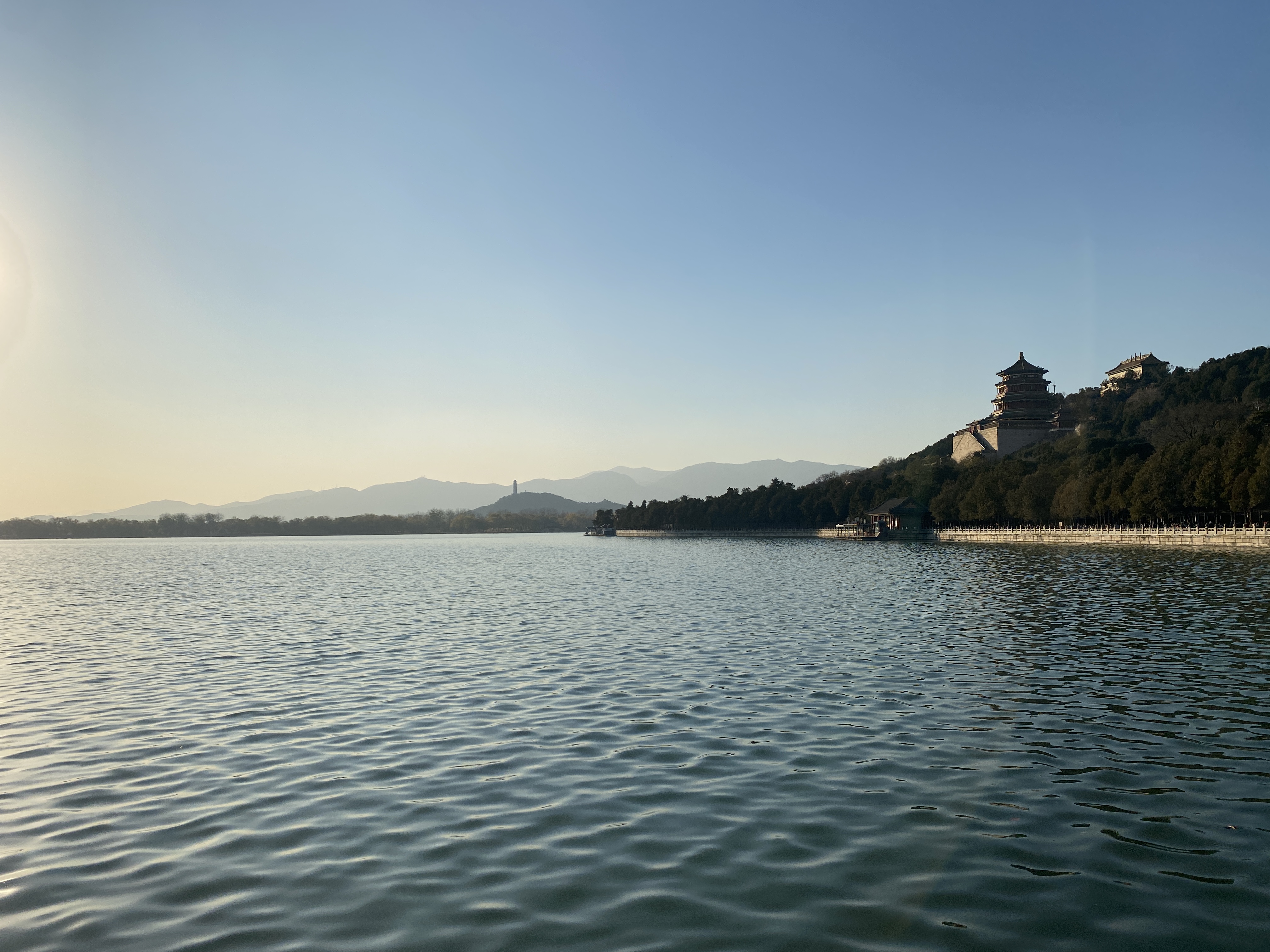
-Summer of Palace
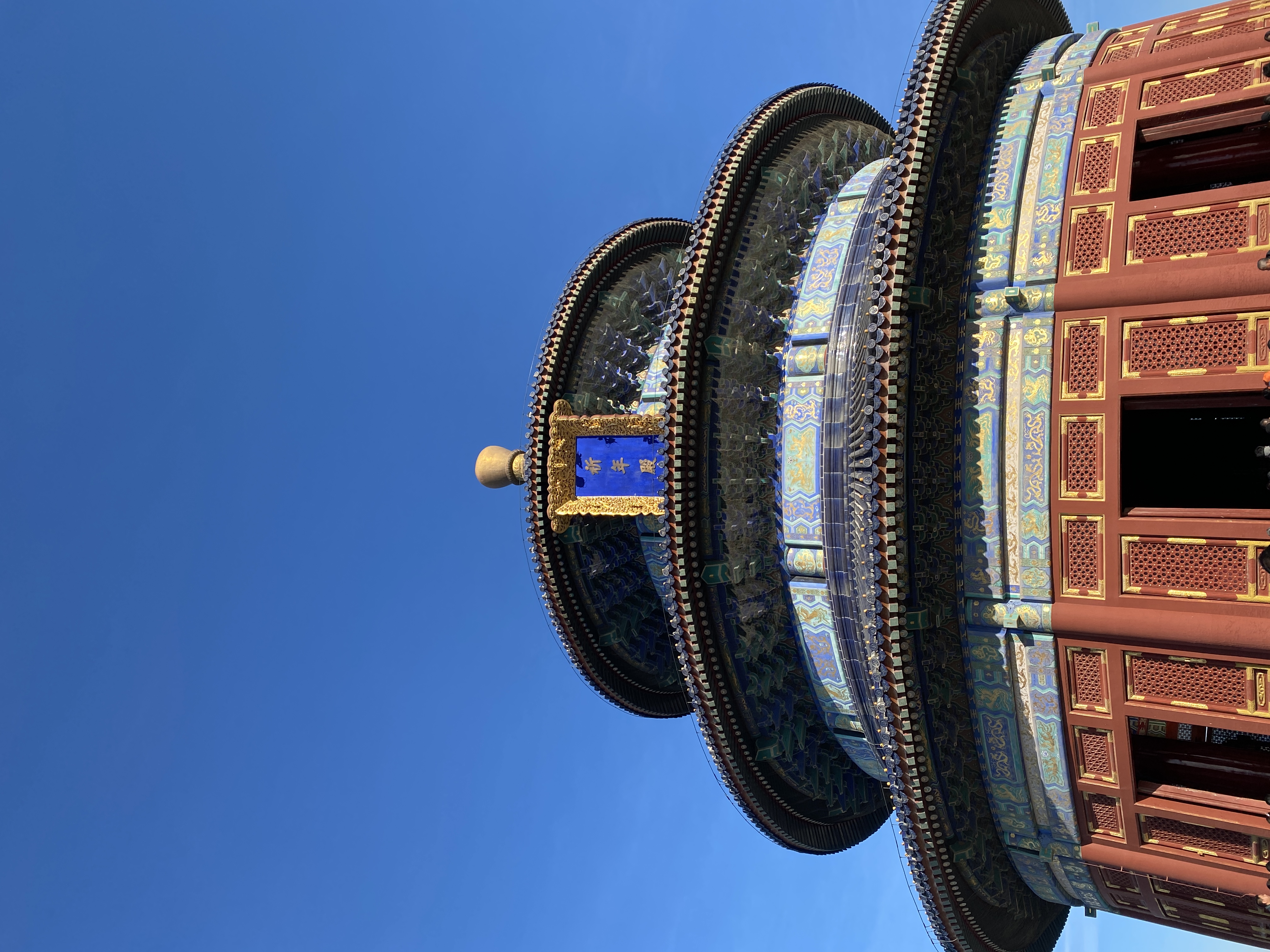
-Temple of Heaven
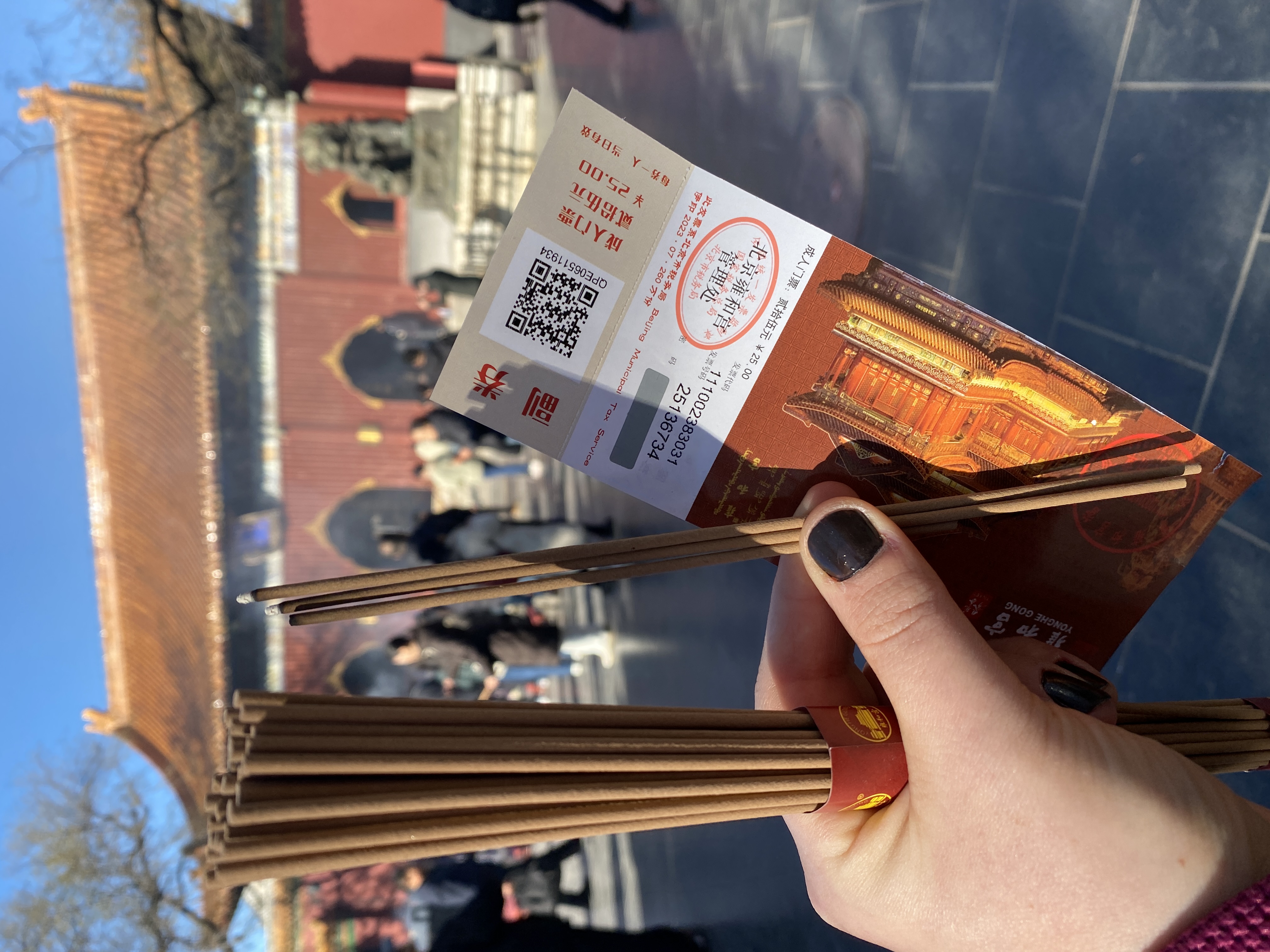
-Lama Temple
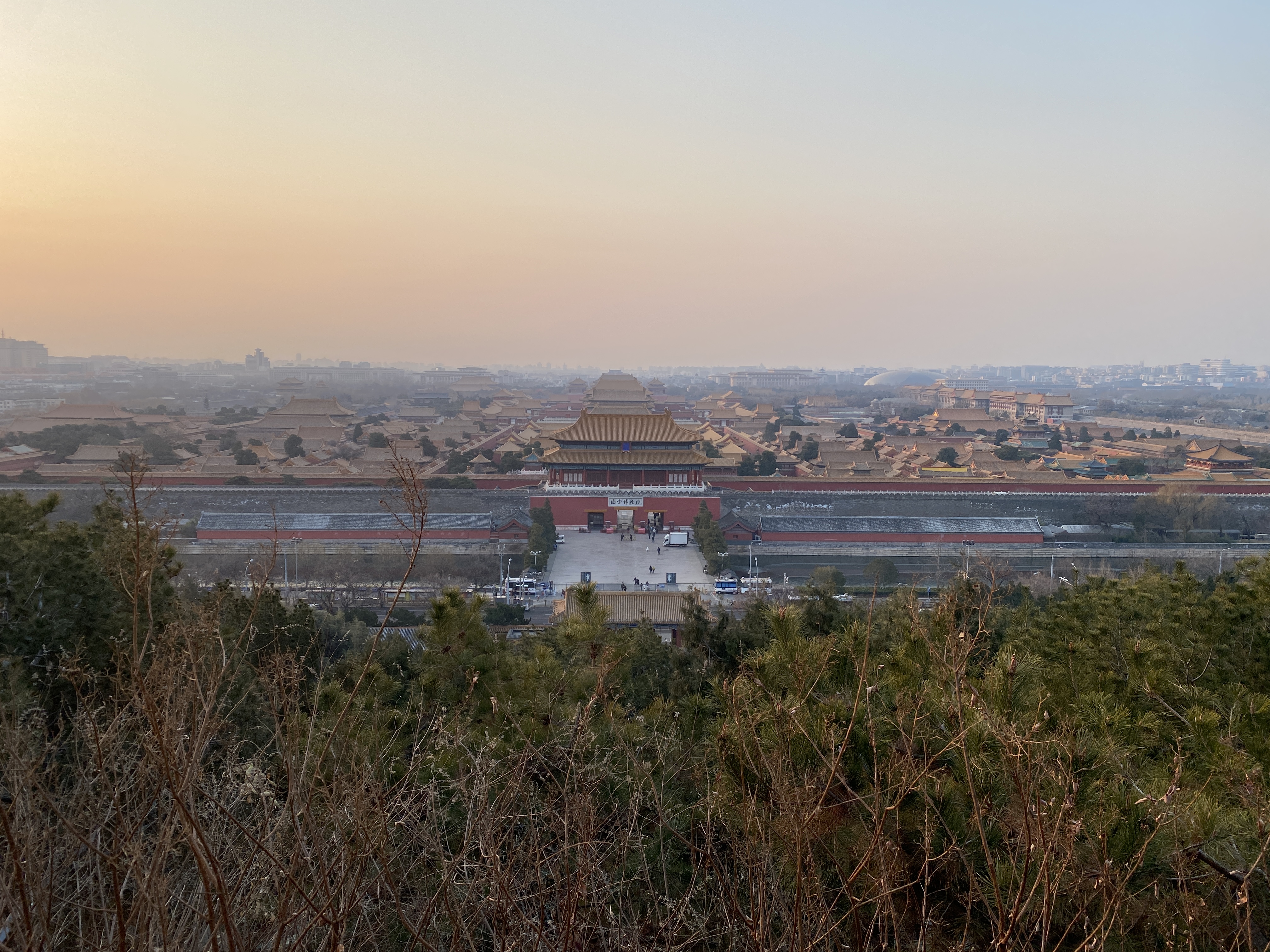
-Jingshan Park: I went for sunrise views over the Forbidden City.
-National Museum of Art
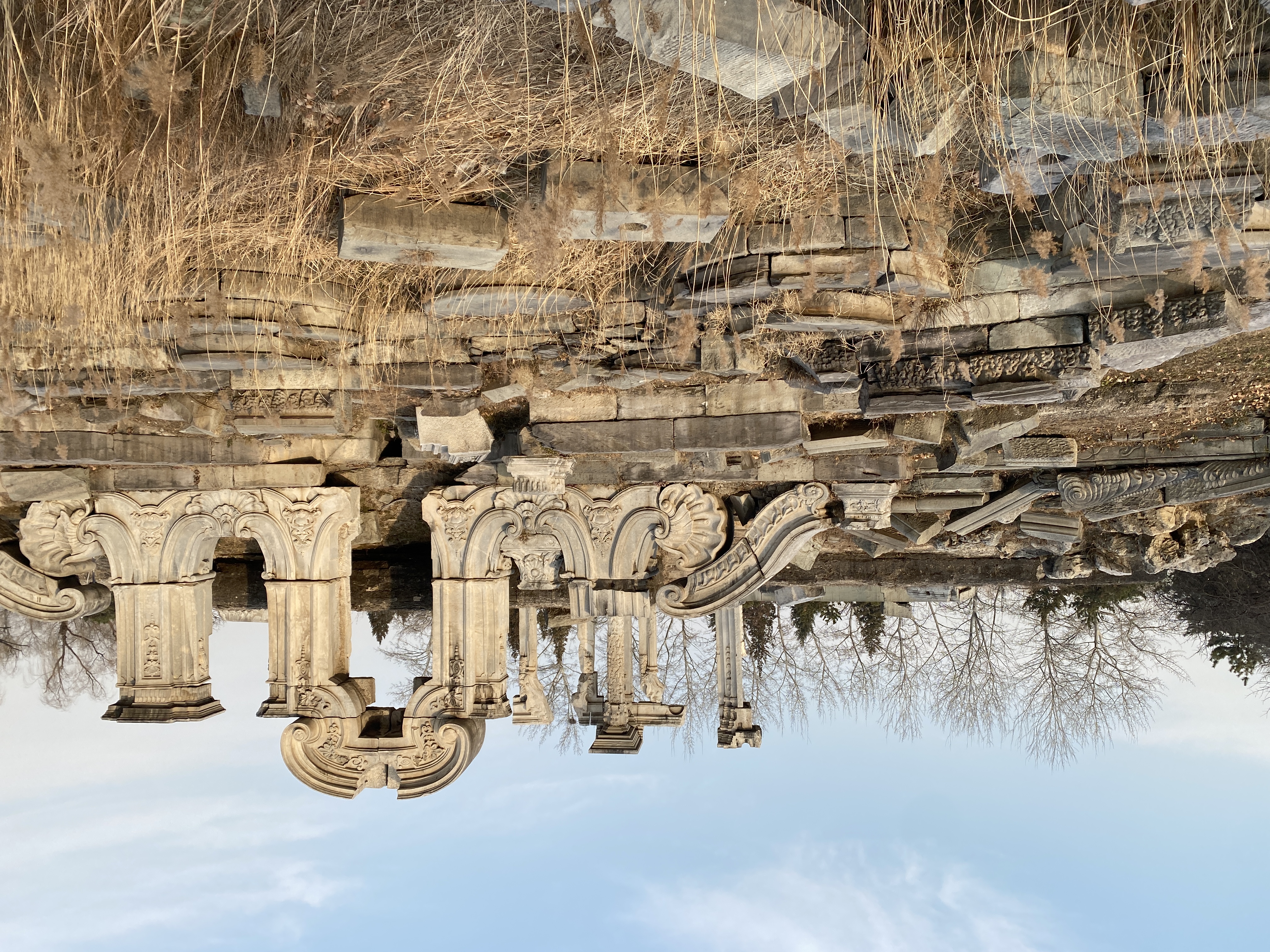
-Yuanmingyuan Park: ruins of the old Summer Palace. Naively I thought I would be the only one there, but alas it seemed to be a popular place.
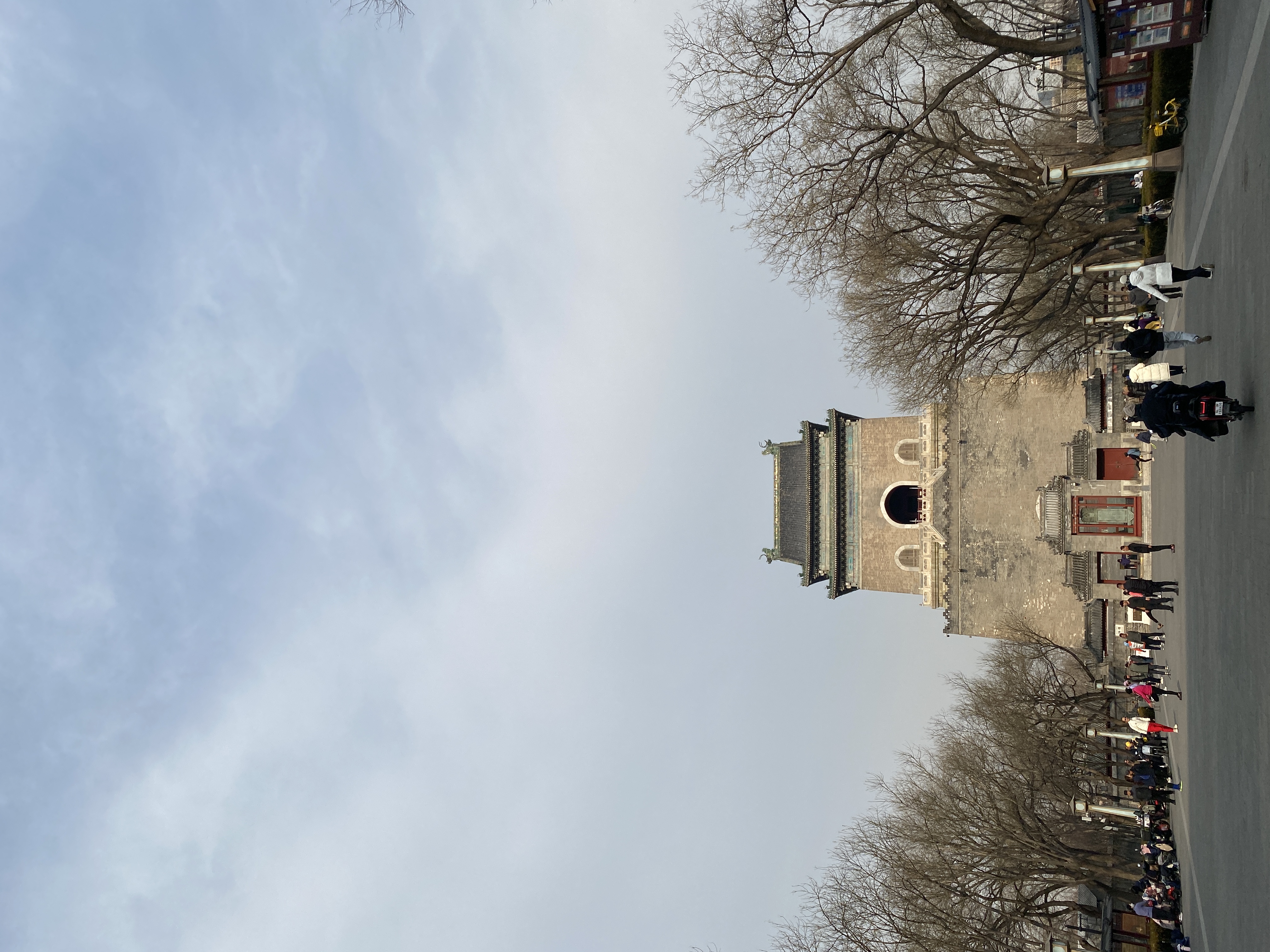
-Bell and Drum Towers
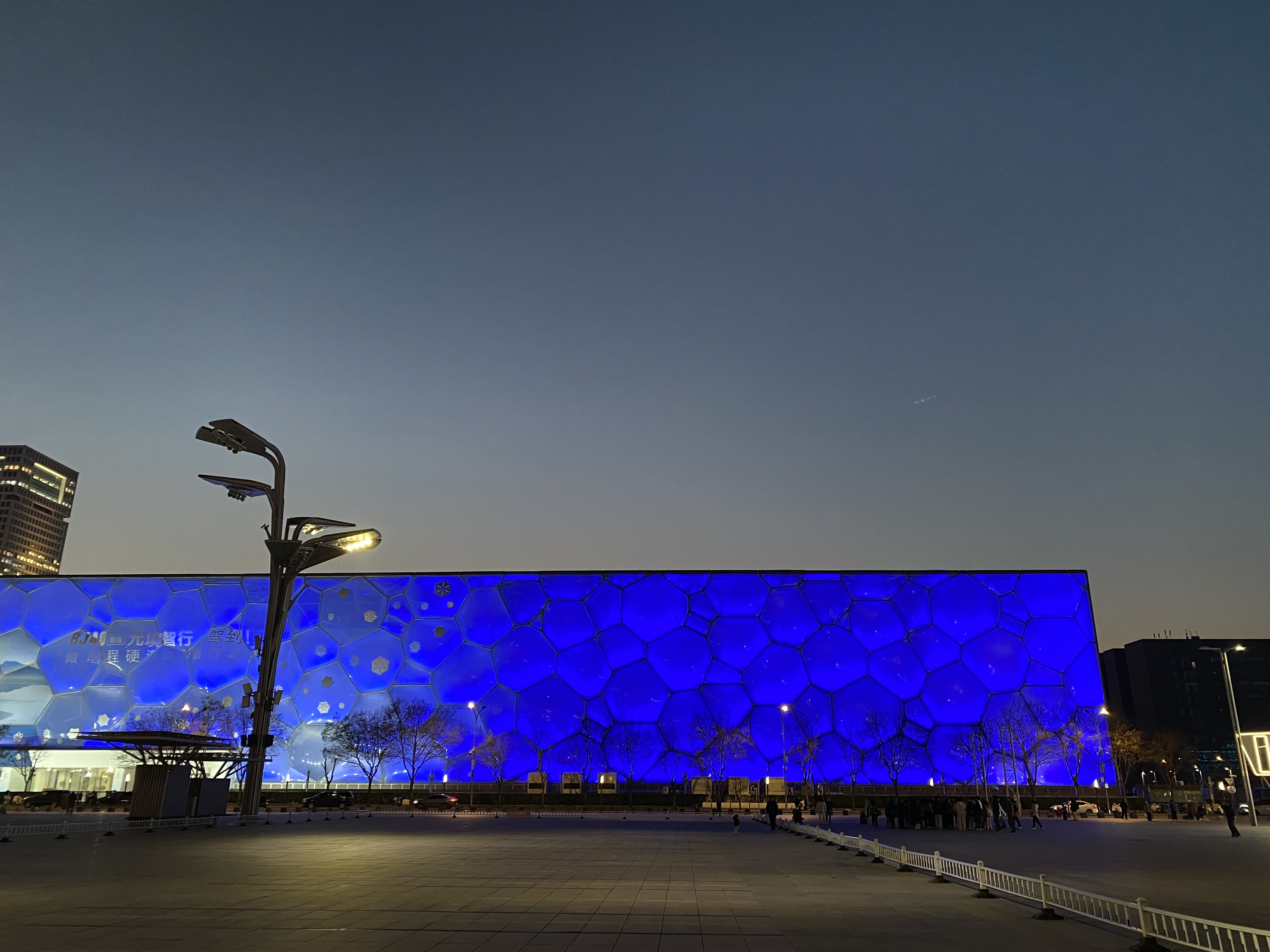
-The Bird’s Nest (national stadium) and the Water Cube: built for the Olympics, they are interesting to look at!

Great Wall
I visited the Great Wall twice. I wanted my first experience to be different from the norm (see the second time) so I went to Shanhaiguan, a 2-hour train ride from Beijing, where the Great Wall meets the Yellow Sea. I was the only person there. And of course I stuck my toes in the freezing water…when in Rome 😉
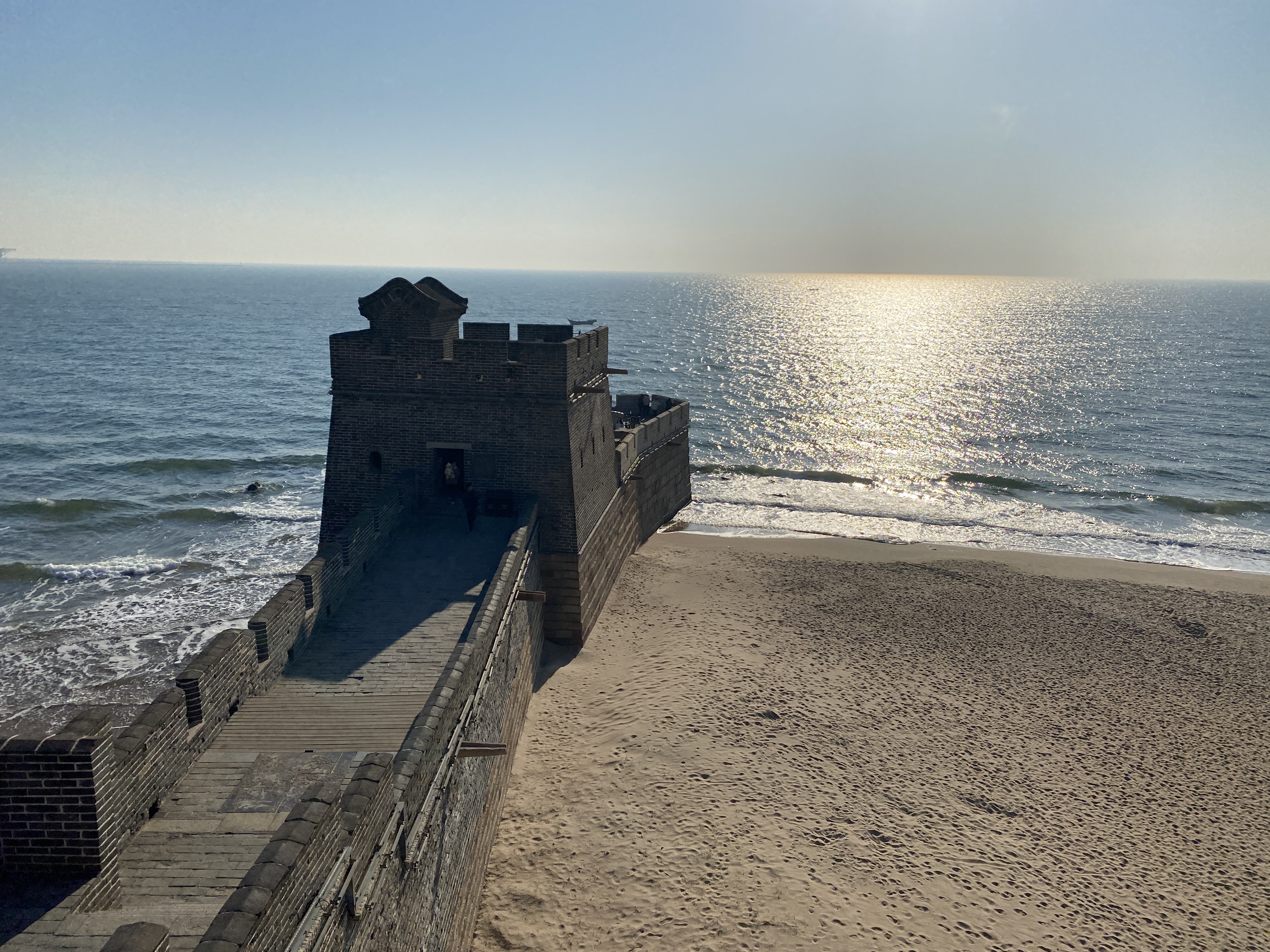
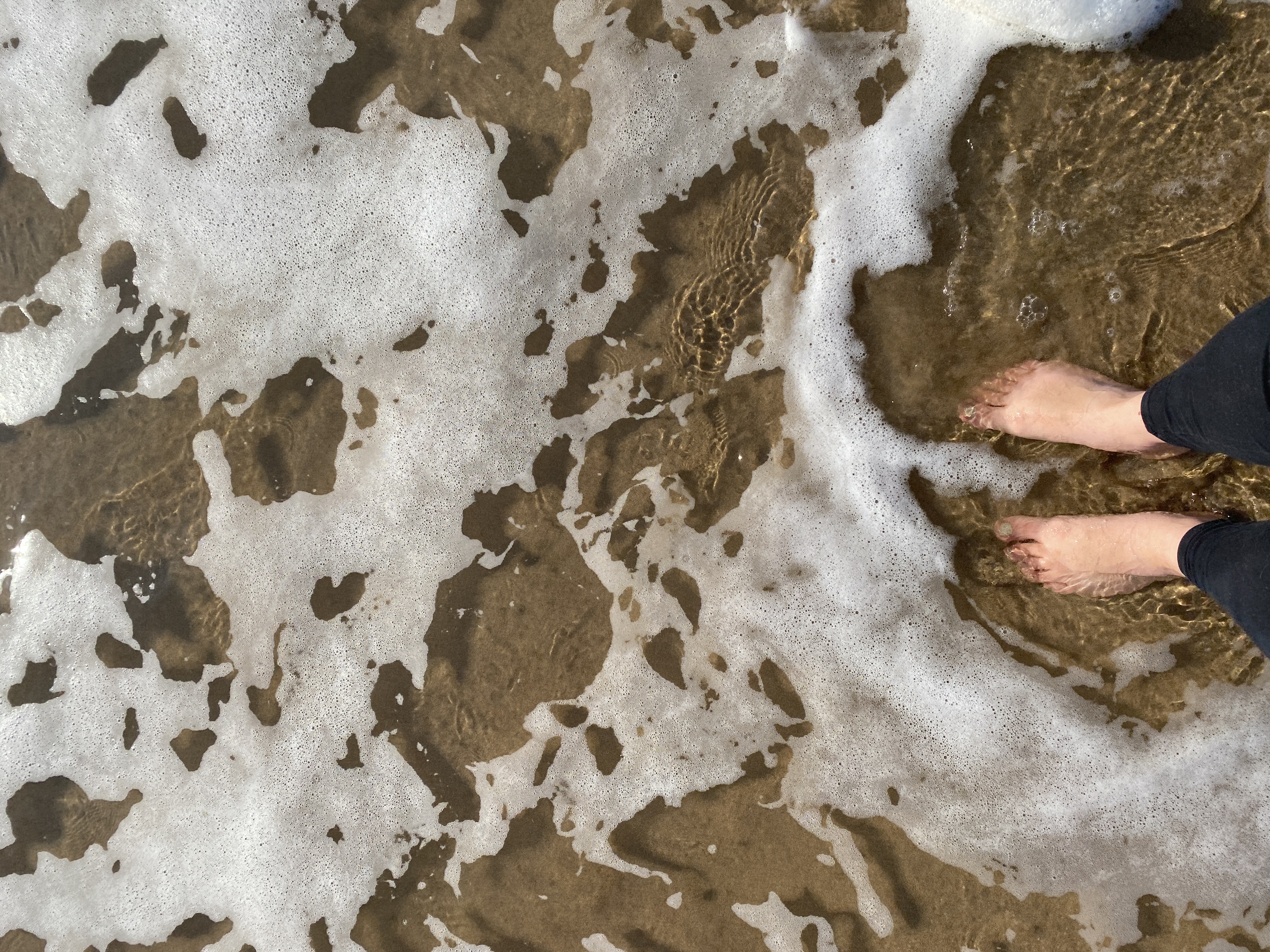
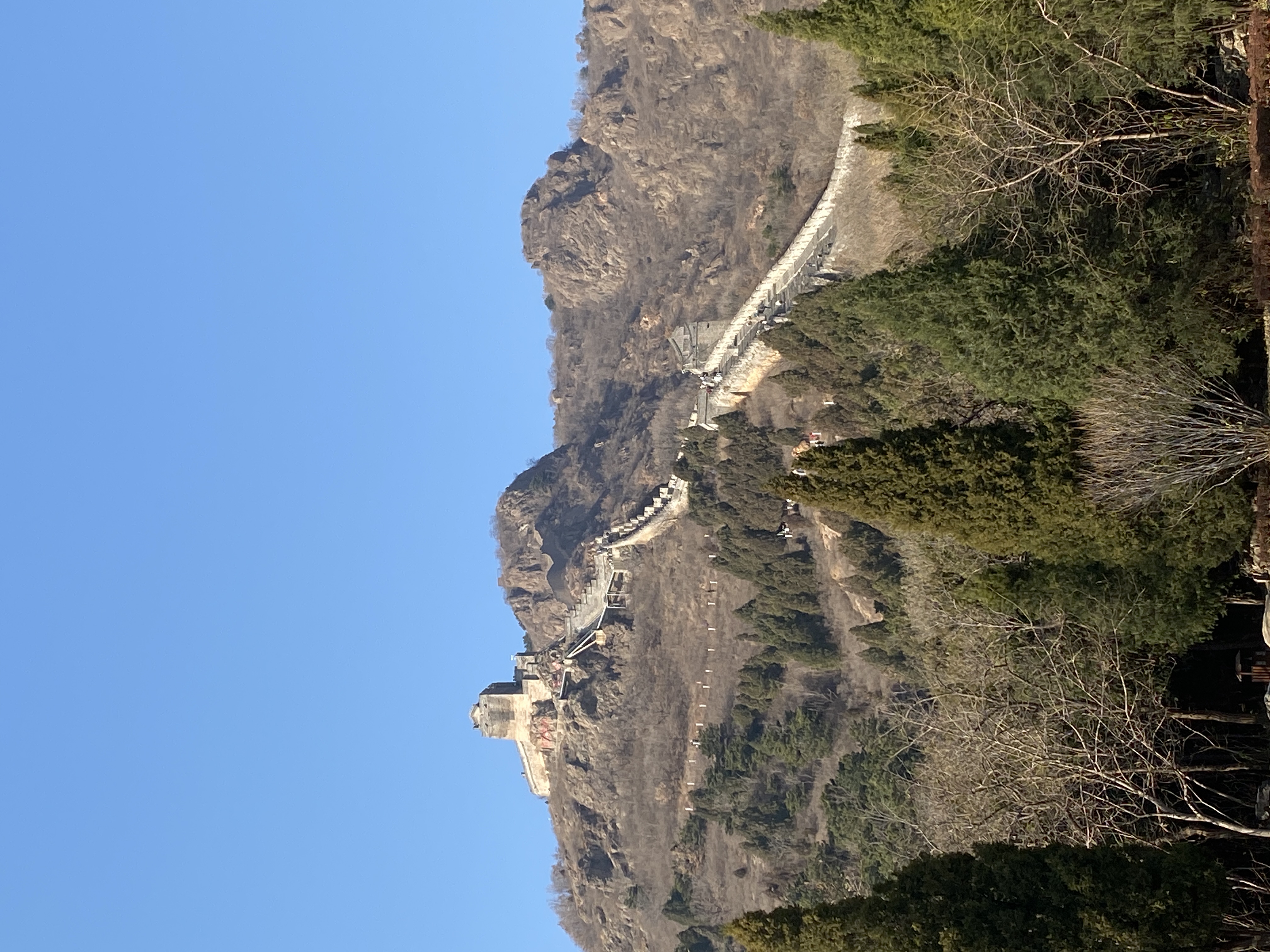
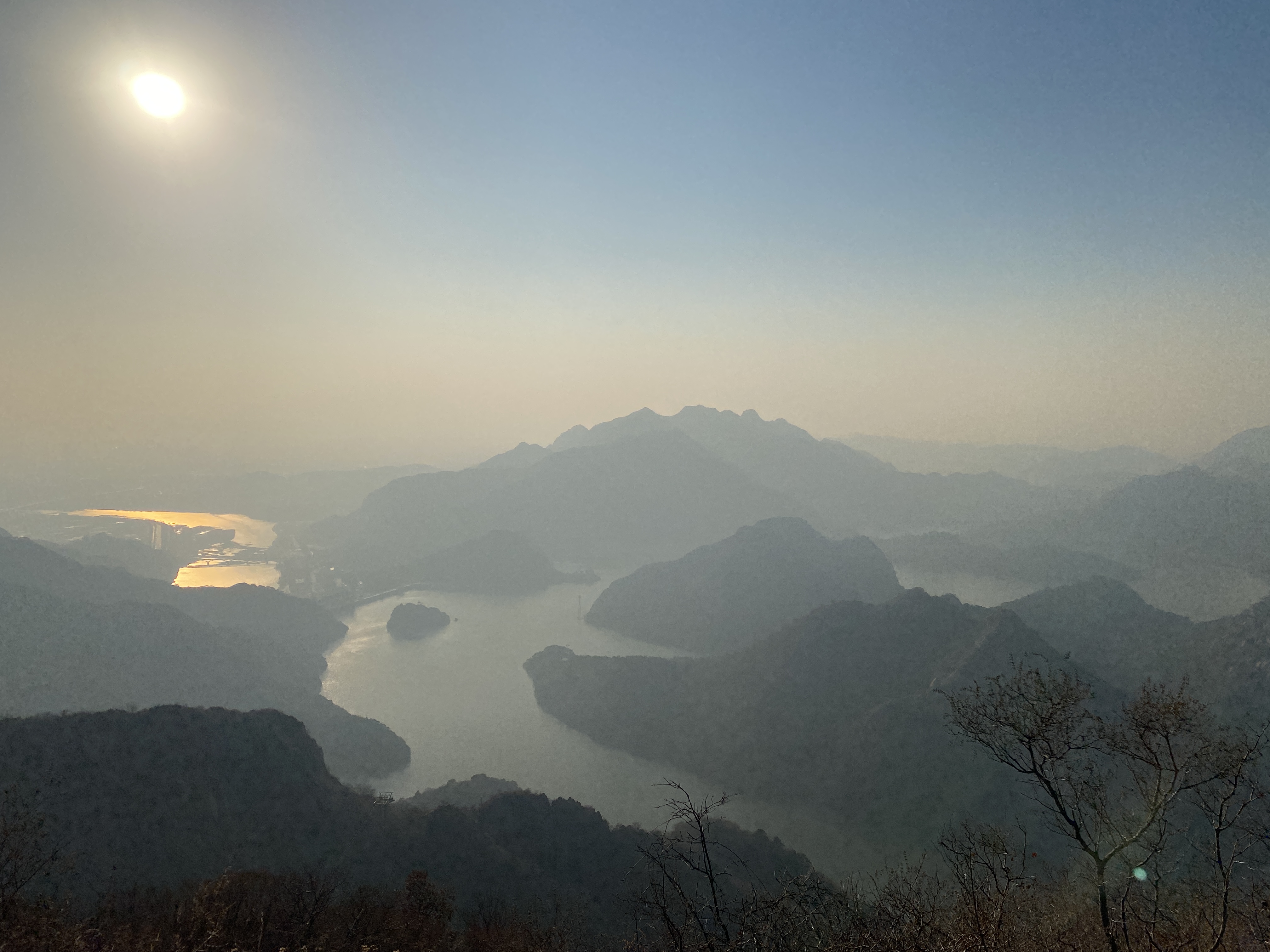
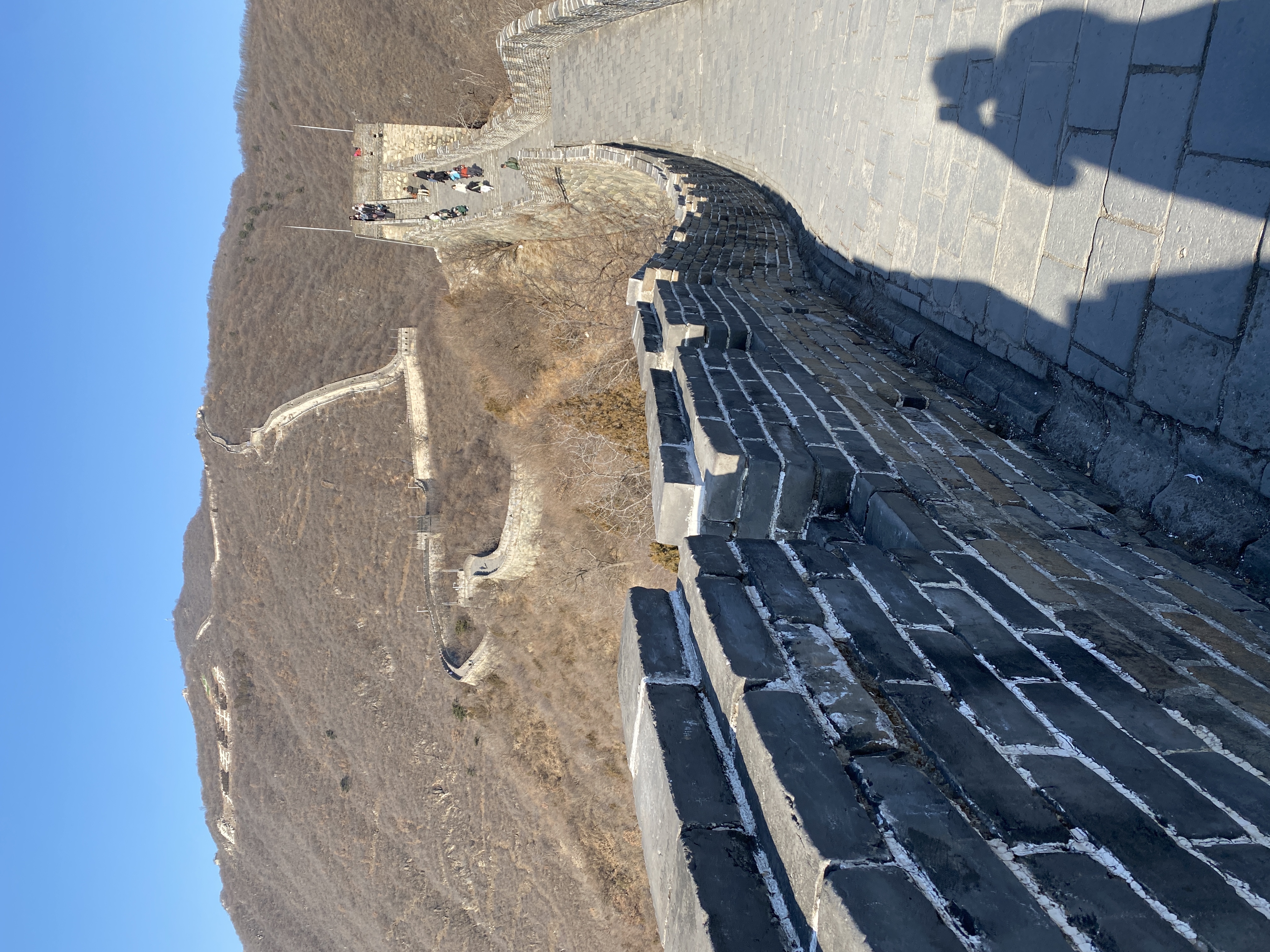
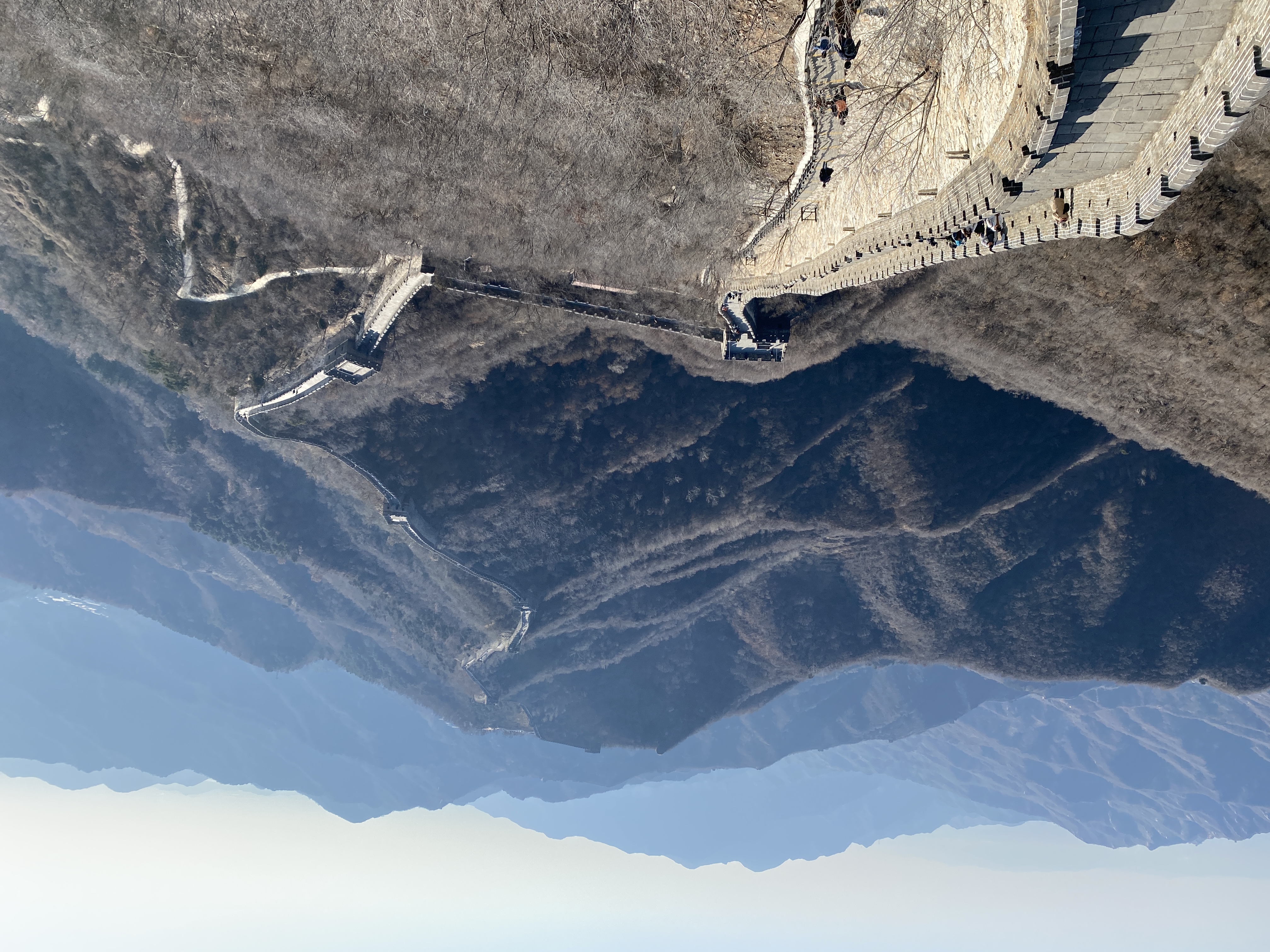
The second time was at Mutianyu, the most popular section, and I booked a day trip that included transportation and lunch. There are two different parts you can go up, and you go up by cable car and down by a 2-kilometer slide…so much fun!
Jinan
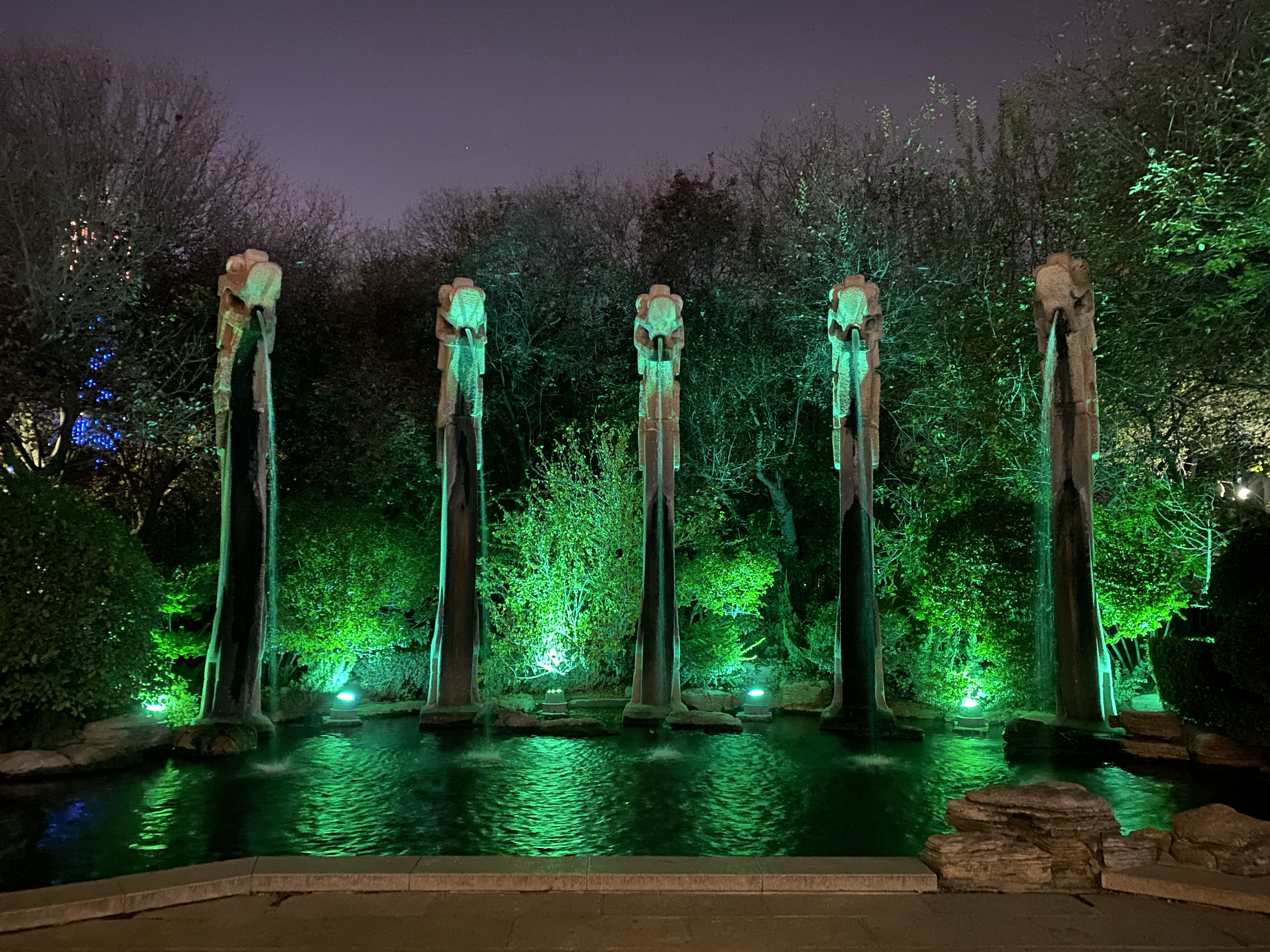
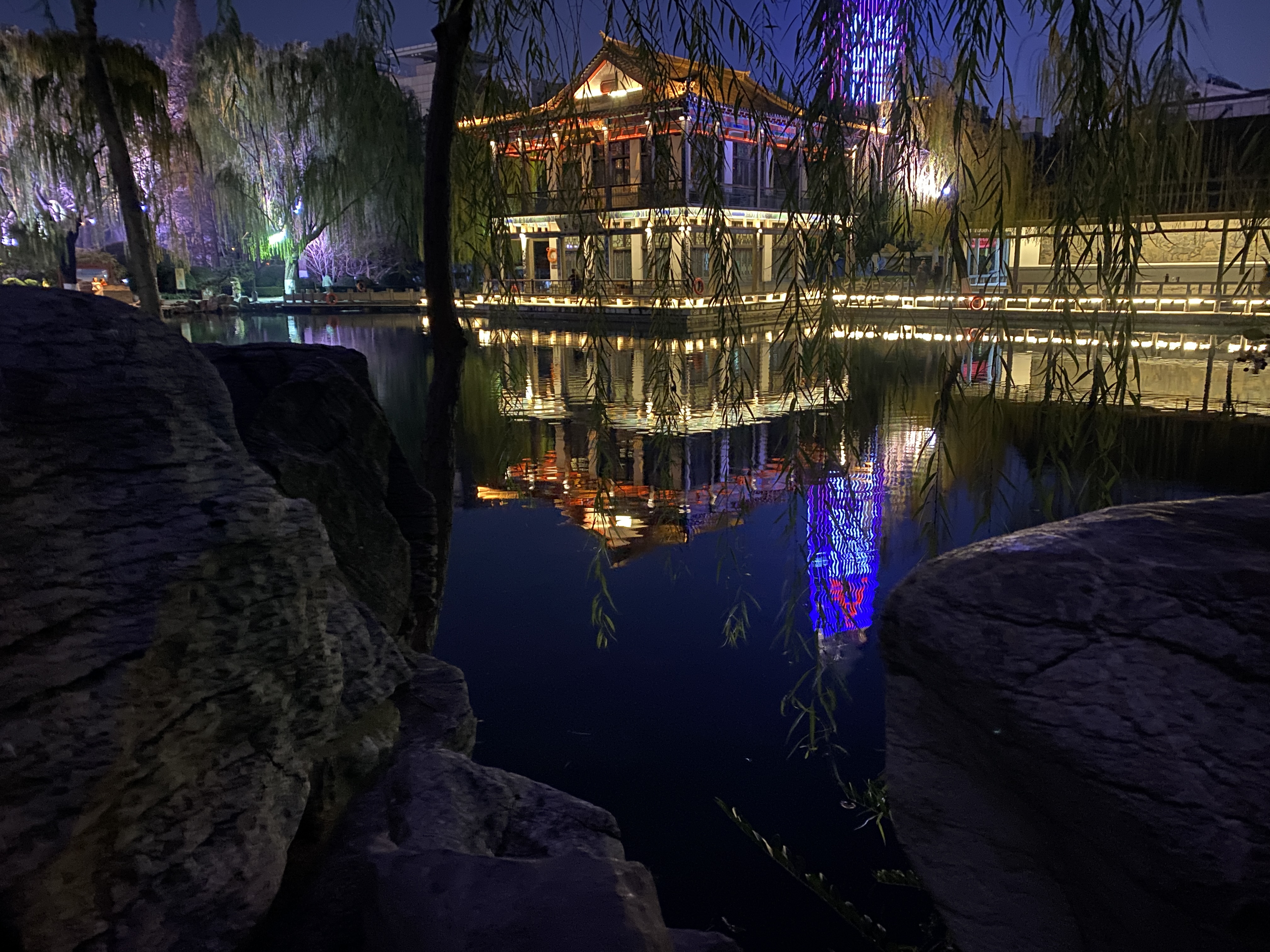
-Five Dragon Pool, Black Tiger Spring, Baotu Spring: Jinan is known as the city of 72 springs, and they are spread out all over the city.
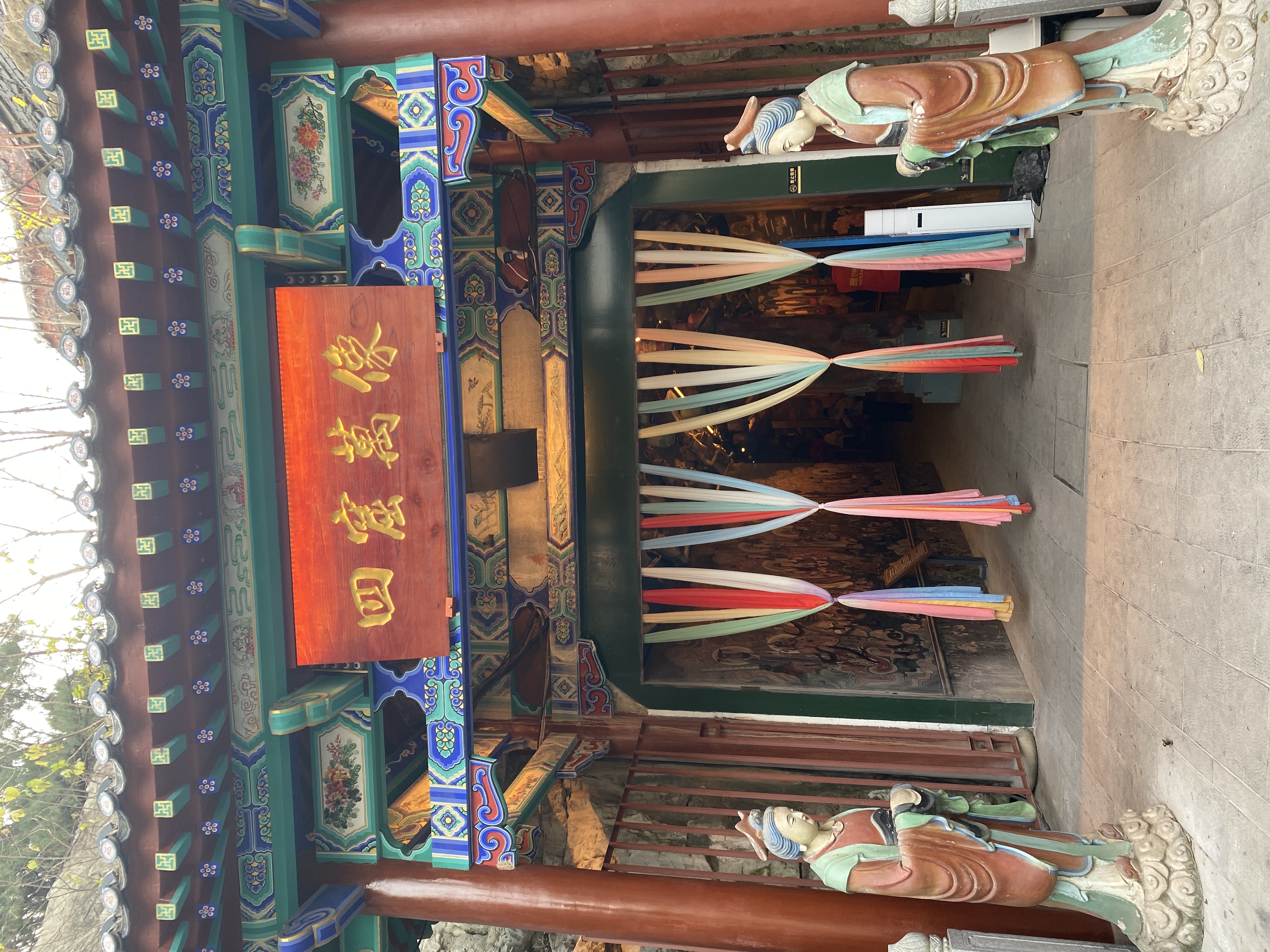
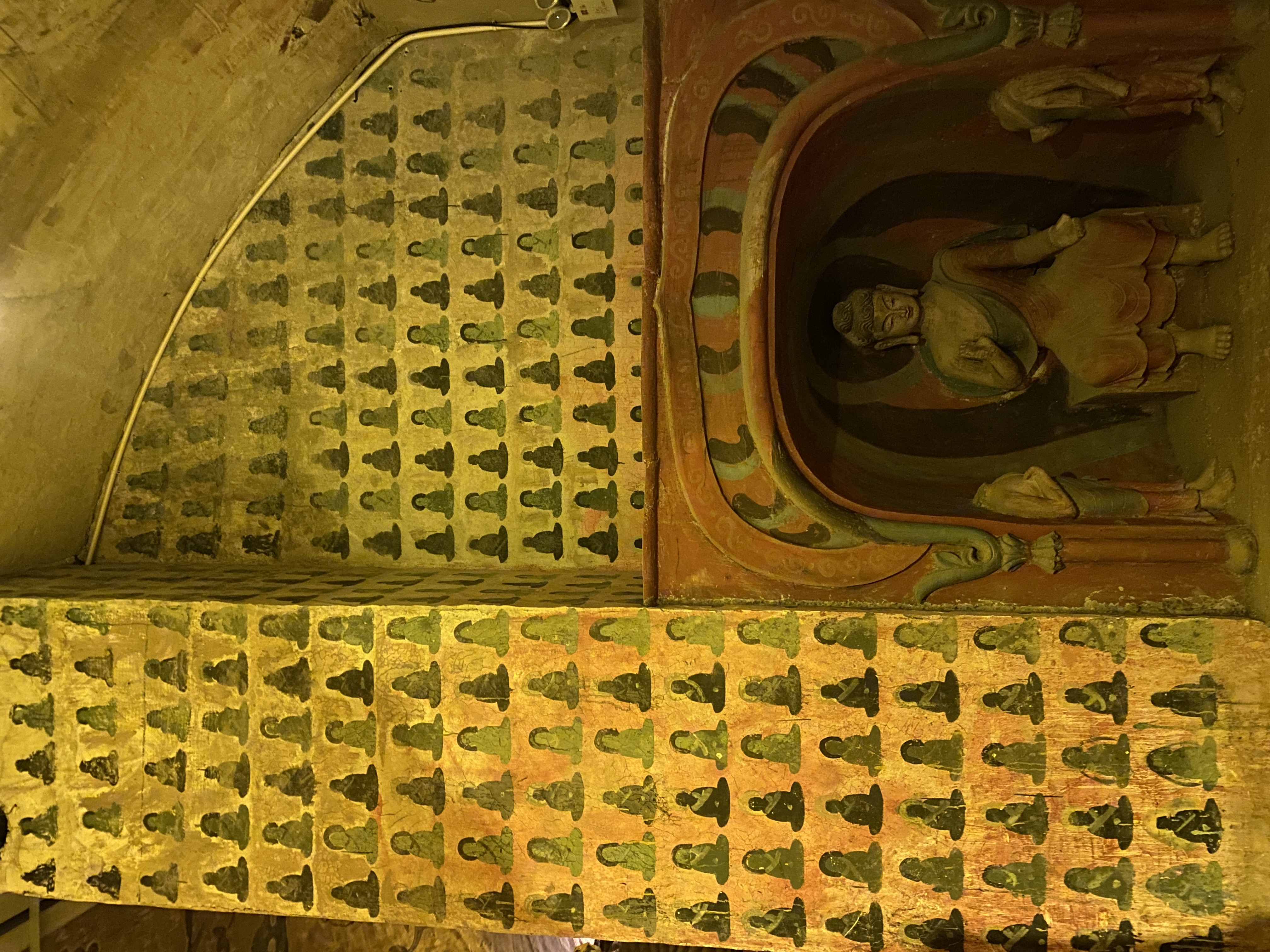
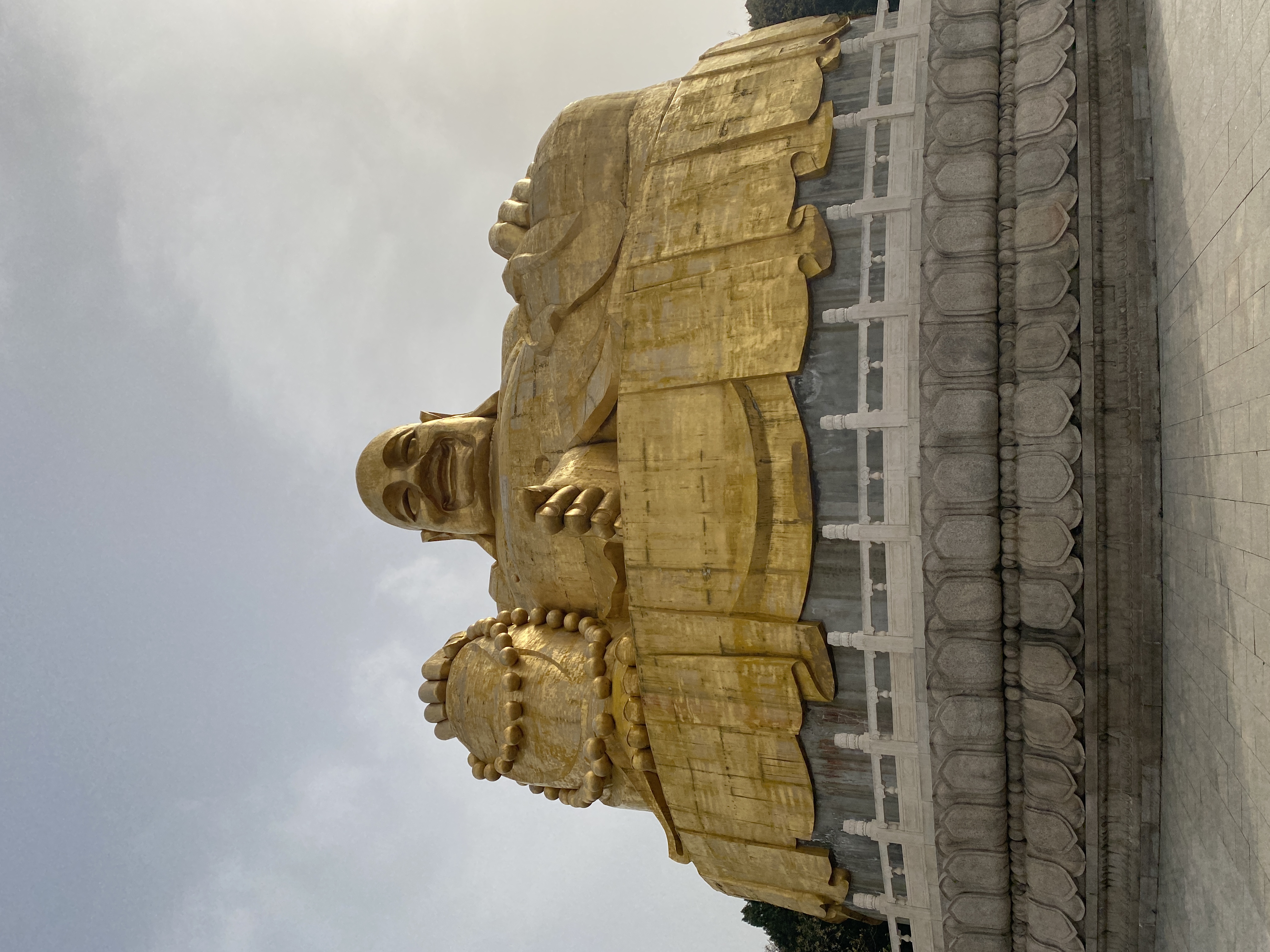
-Thousand Buddha Mountain: this was the main attraction for me, I went up in a cable car and down on a slide, and at the bottom there is a cave system with most of the 1,000 Buddhas, and also a huge golden one.
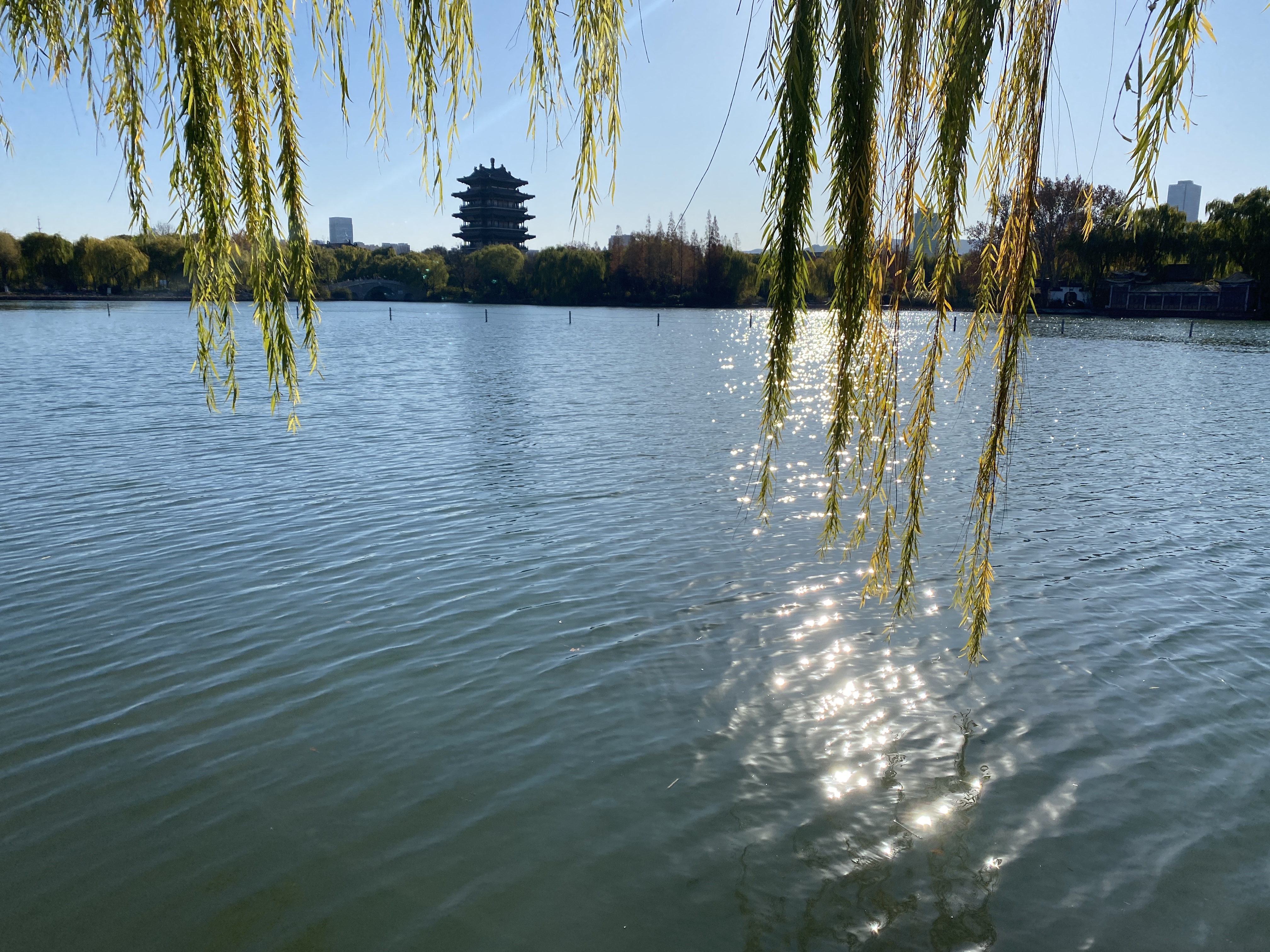
-Daming Lake
-Shandong Art Museum
-Shandong Museum
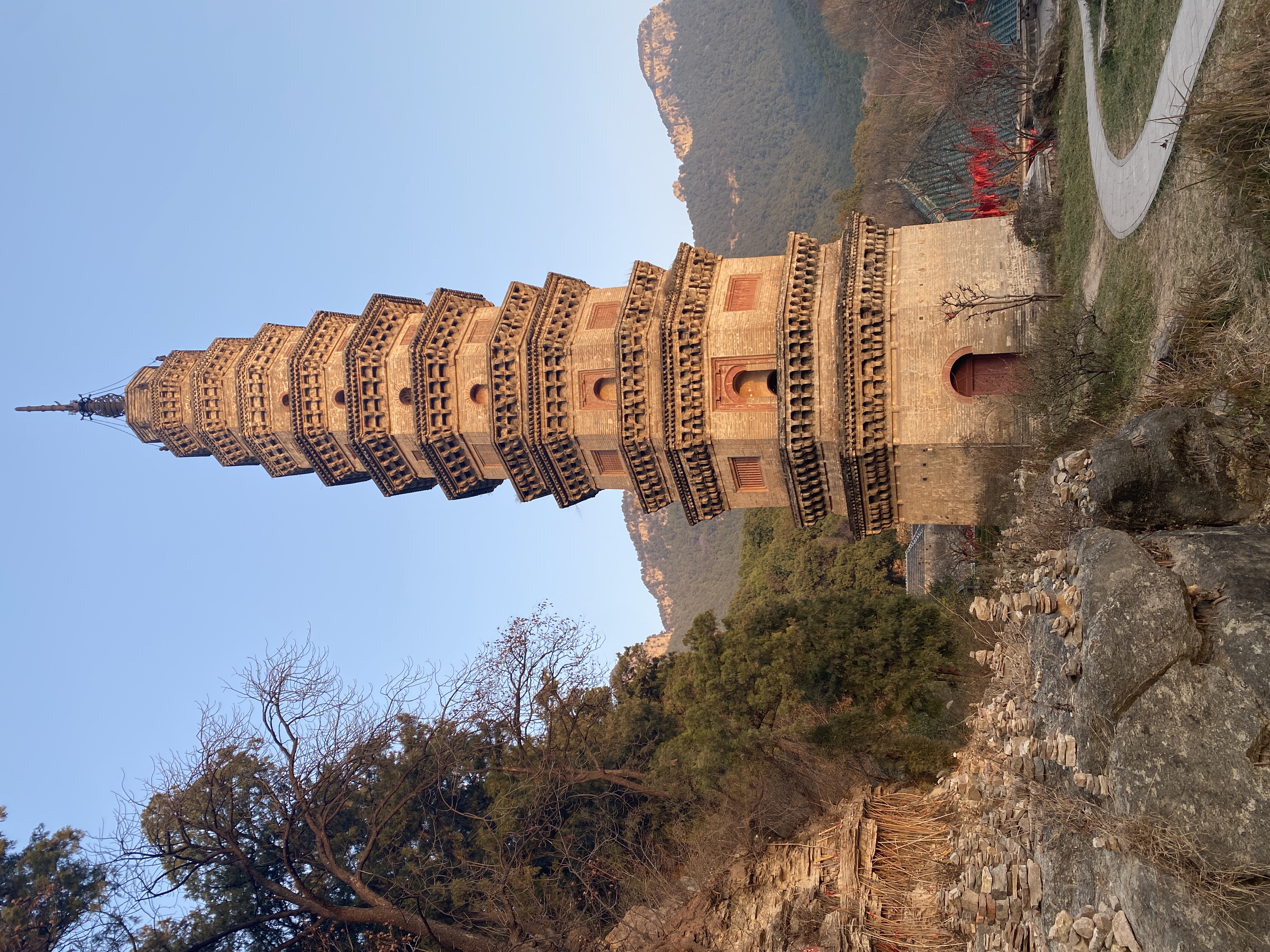
-Lingyan Temple
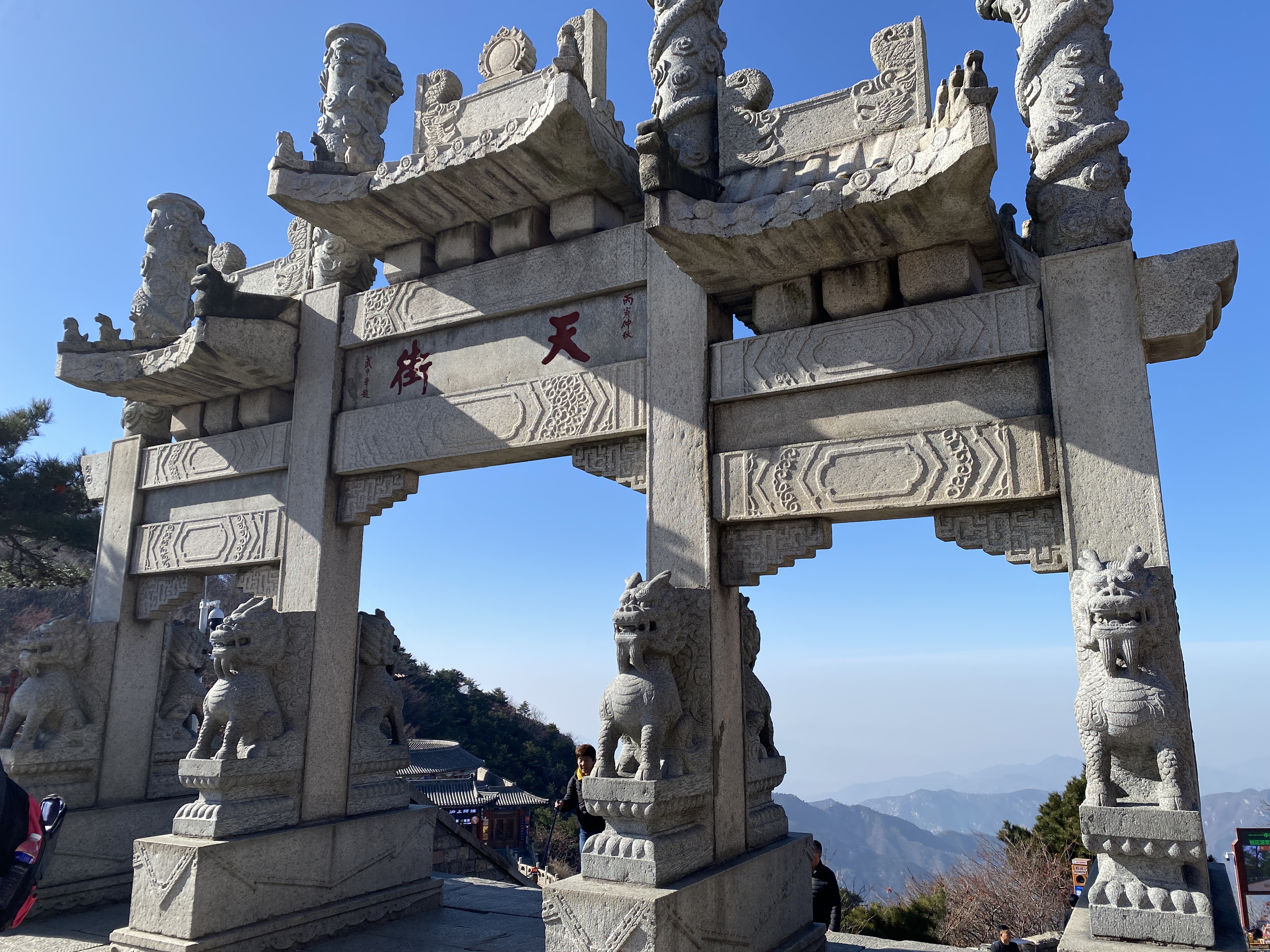
-Mount Tai
Xi’an
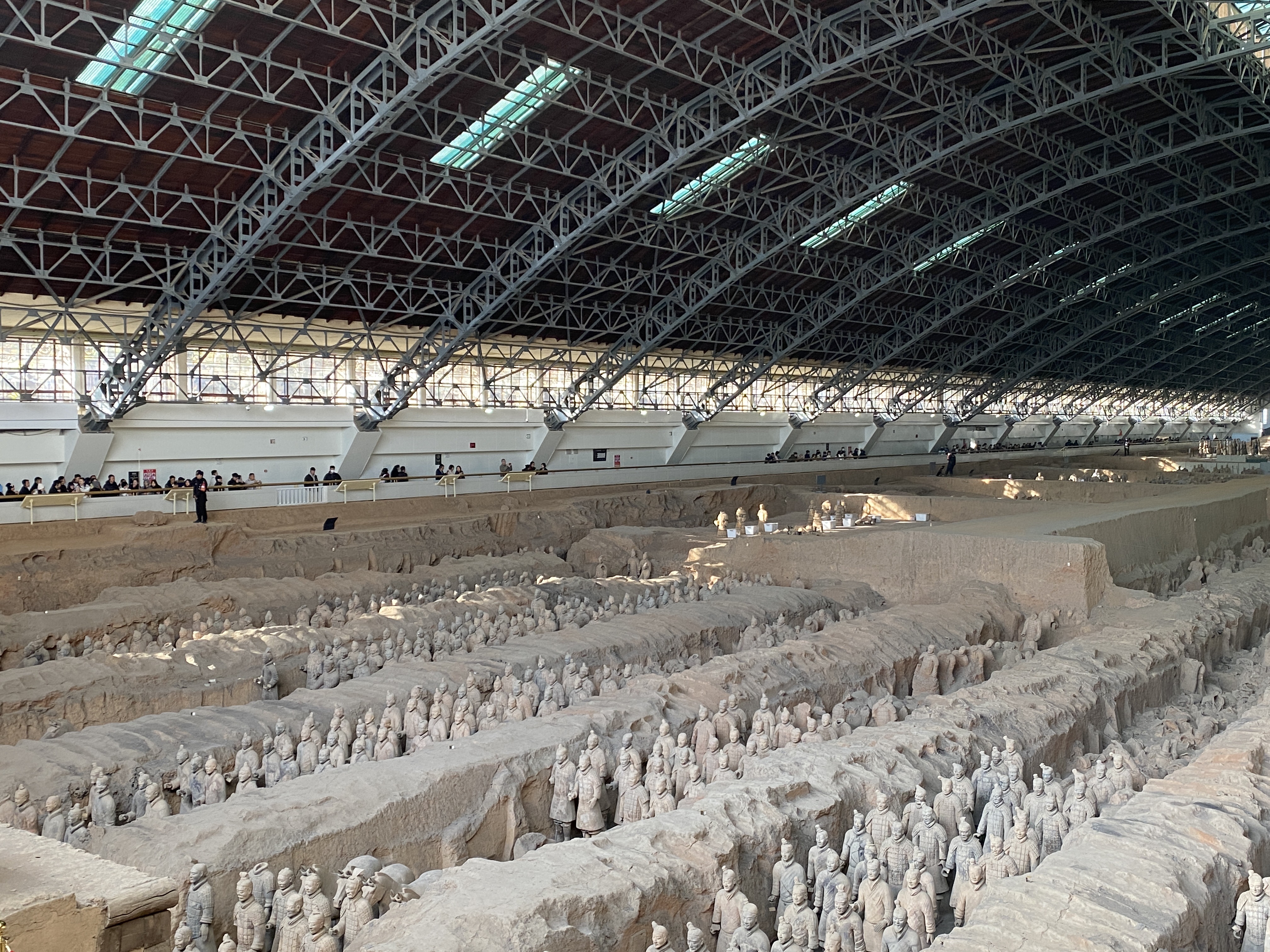
-Museum of the Terracotta Warriors, Mausoleum of the First Qin Emperor: hate to say it, but this was the most underwhelming part of the trip. The statues were impressive, but all very far away..
-Great Mosque, the Muslim Quarter
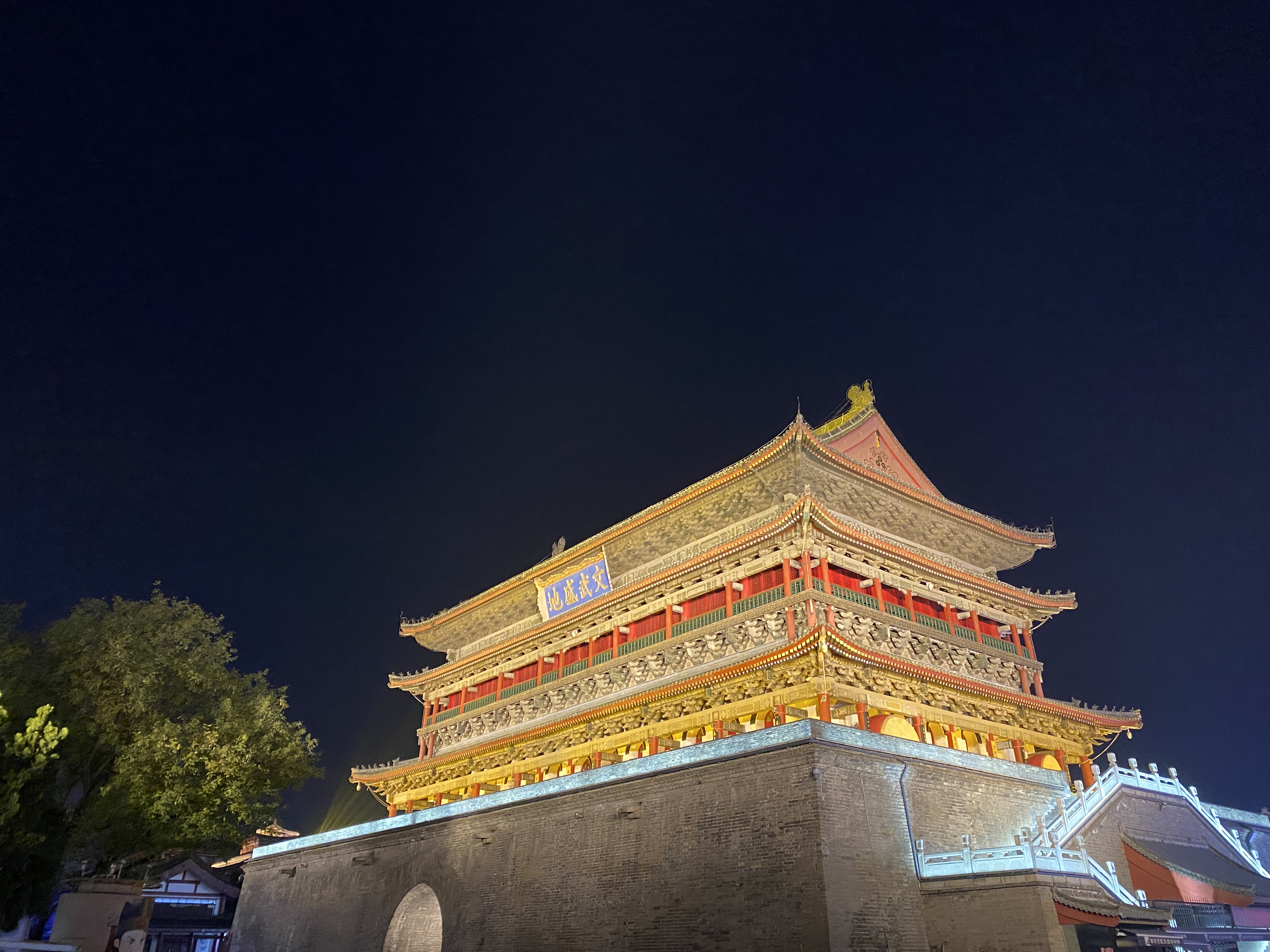
-Bell and Drum Towers
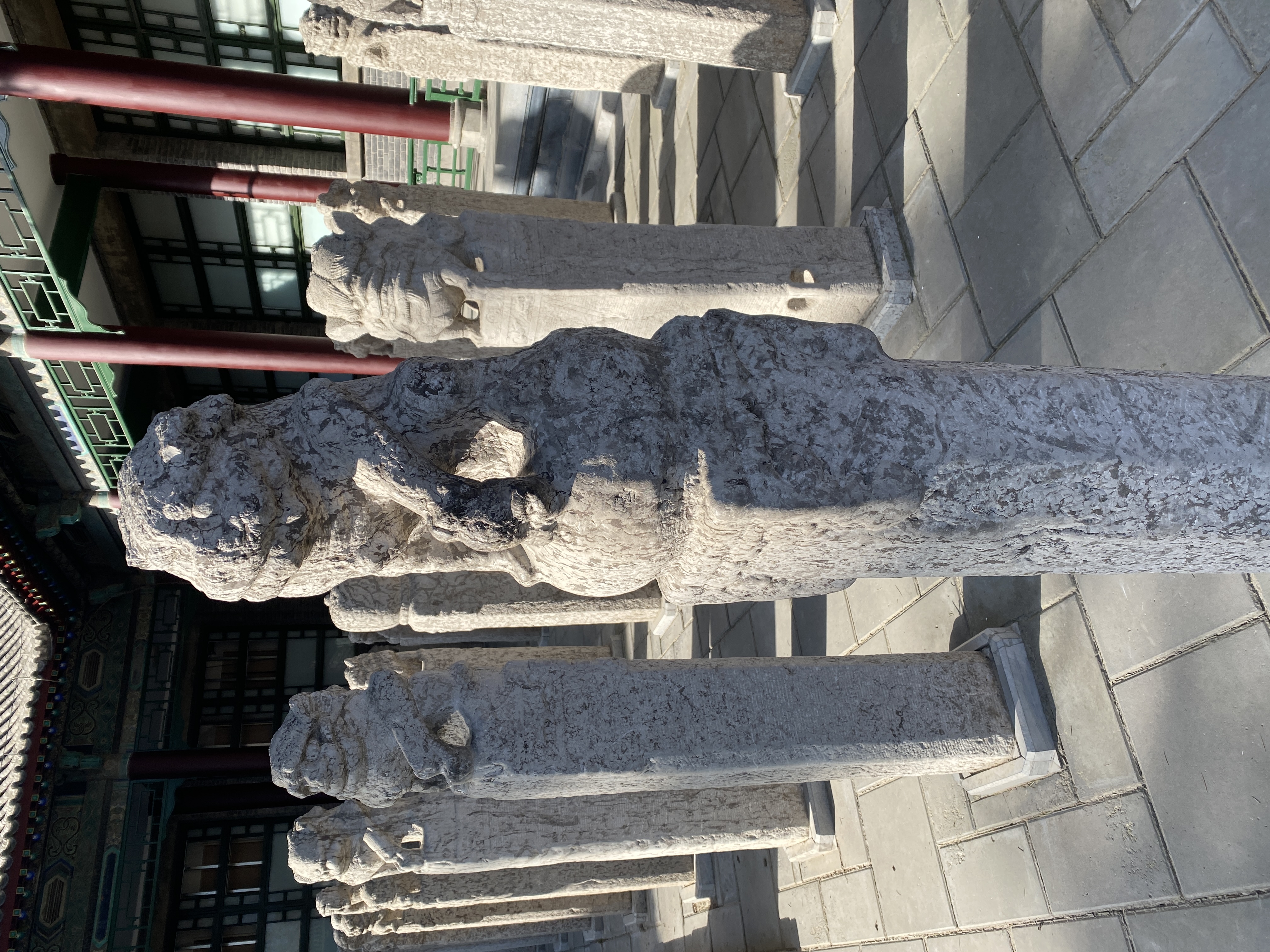
-Beilin Museum: to see all of the funerary steles
-Silk Road Museum
-Shaanxi Art Museum
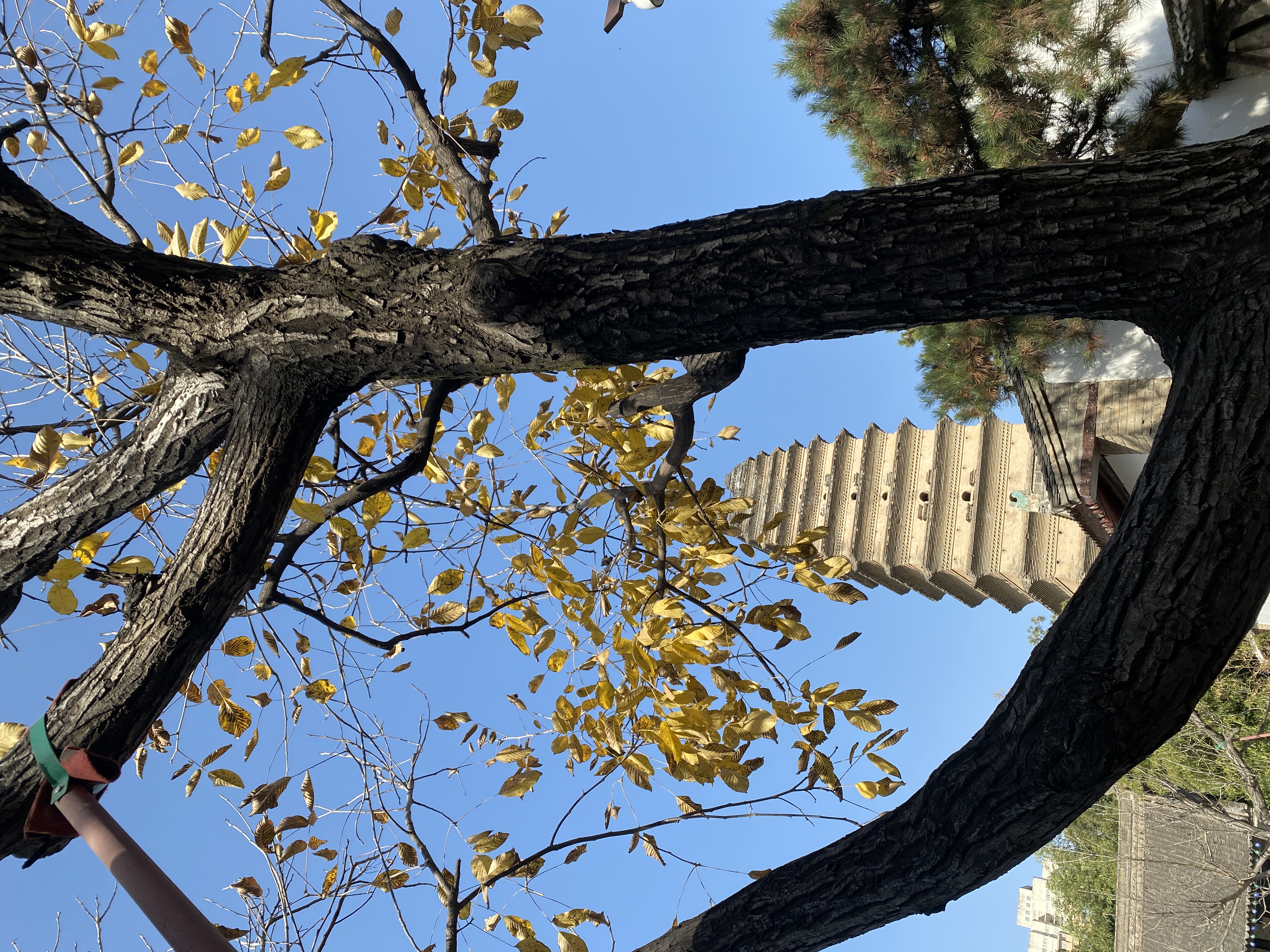
-Giant Wild Goose Pagoda and Small Wild Goose Pagoda
-Xi’an Museum
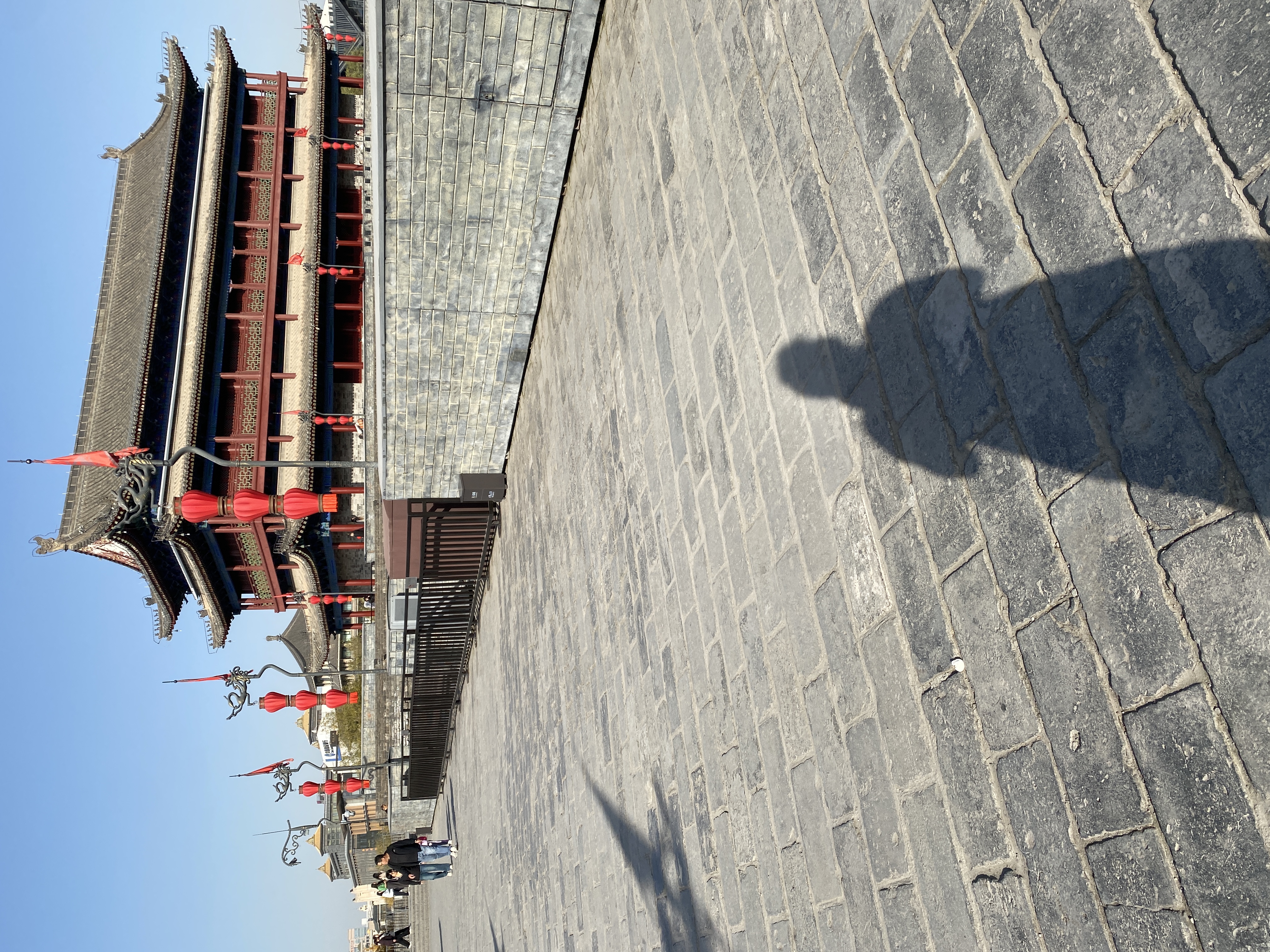
-Ancient City Wall
Chengdu
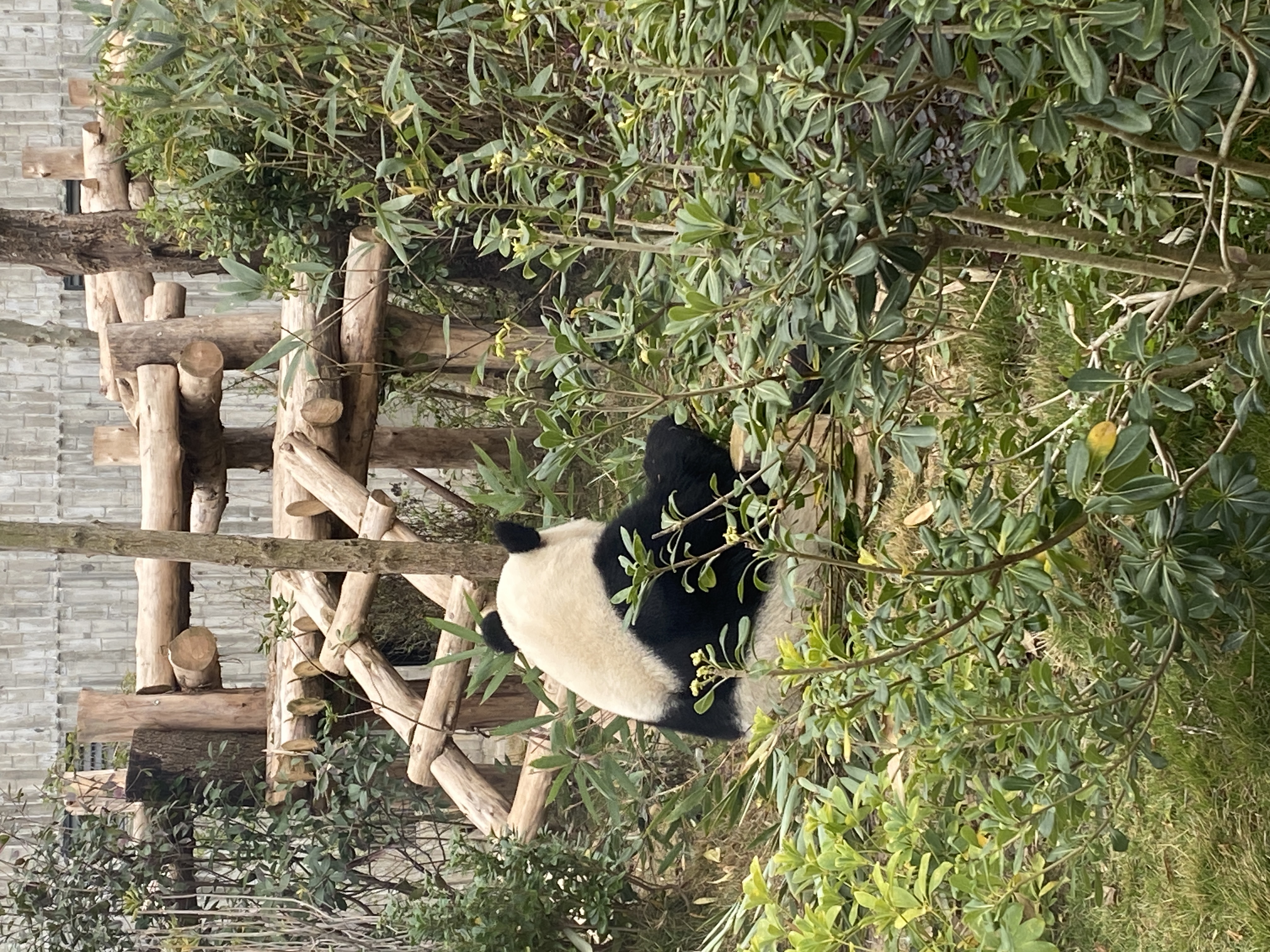
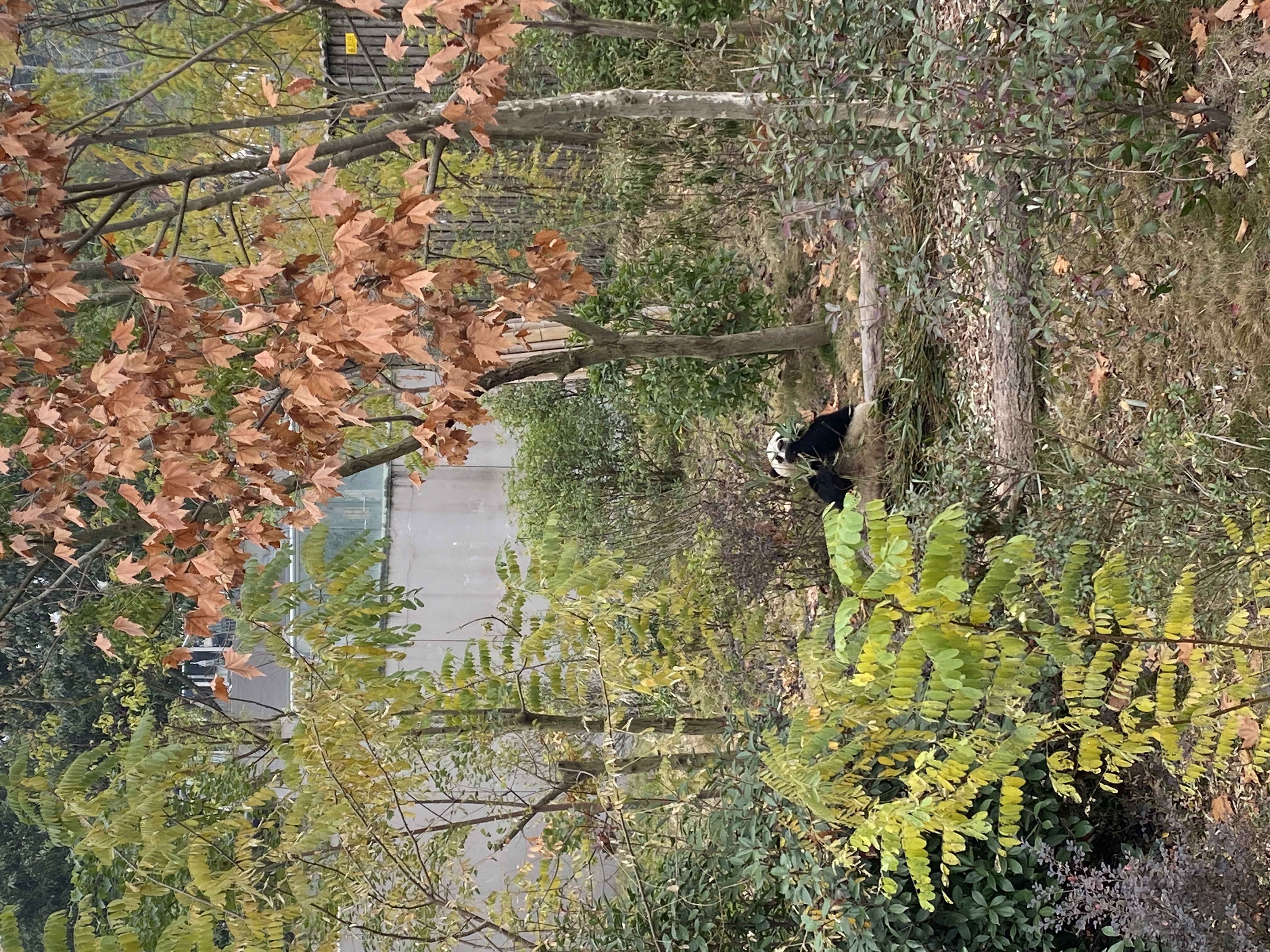
-Research Base of the Giant Panda: watched pandas eat and sleep for hours!
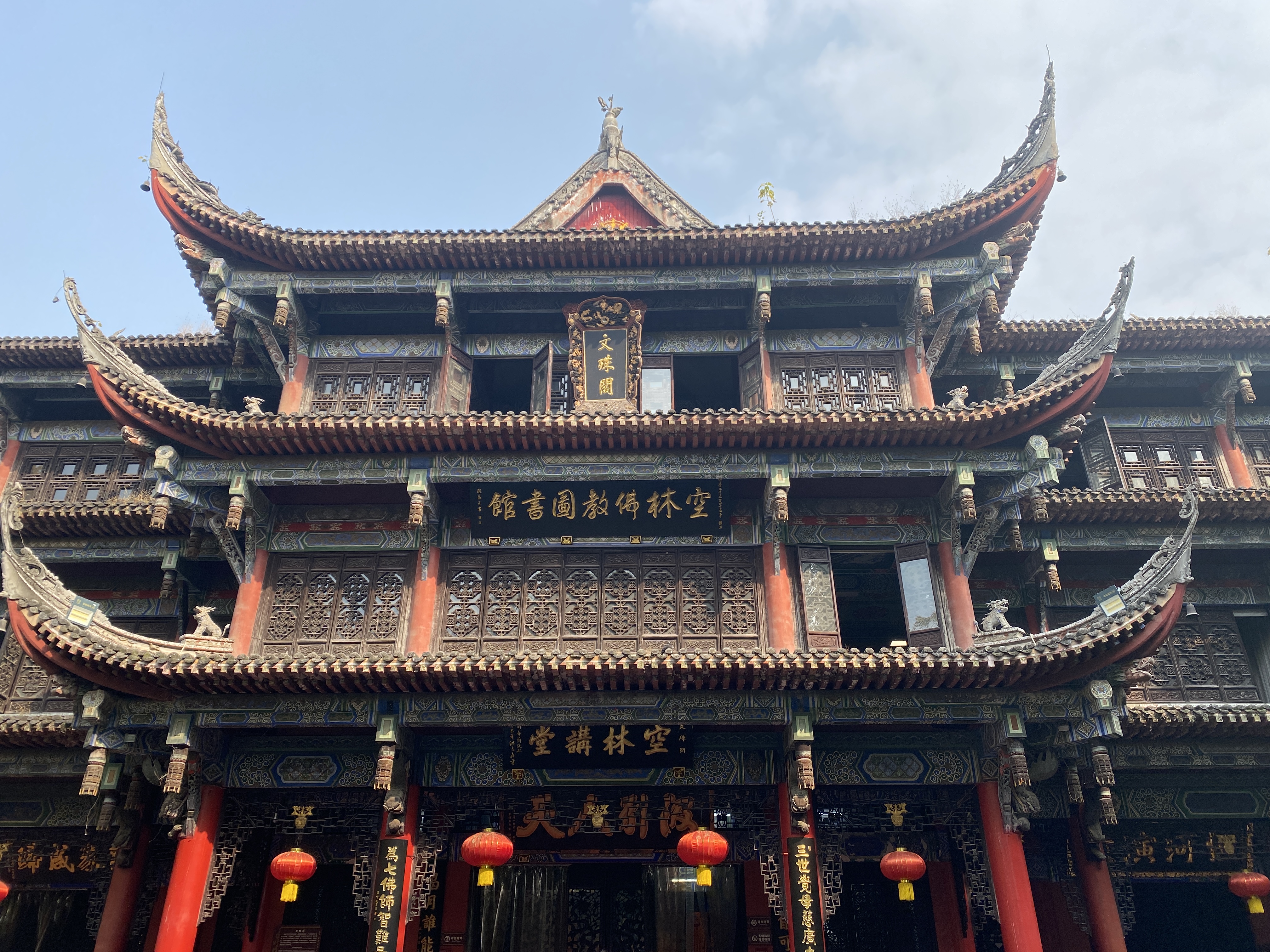
-Wenshu Yuan Monastery
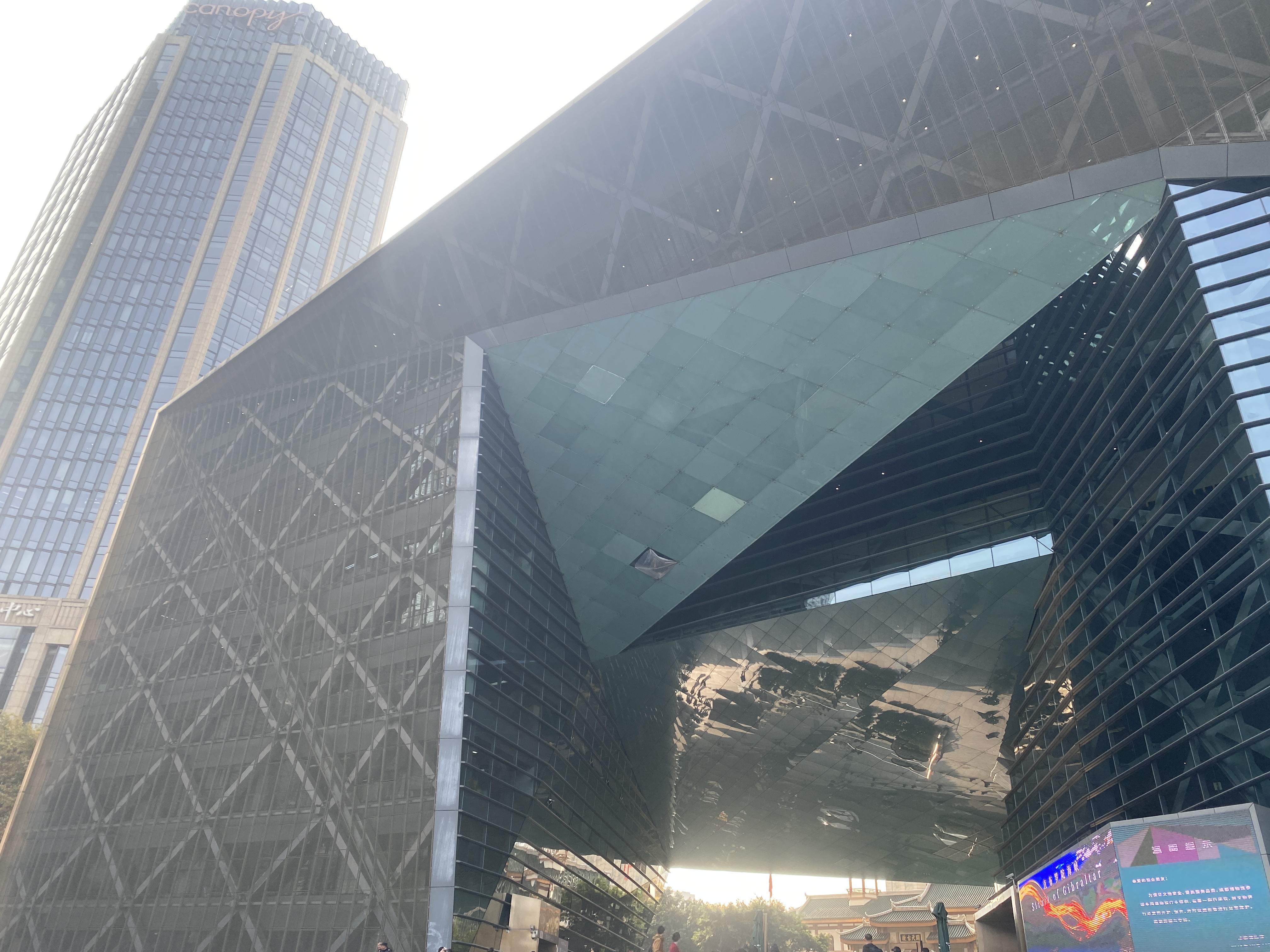
-Sichuan Museum
-Wuhou Shrine
-Anshun Bridge
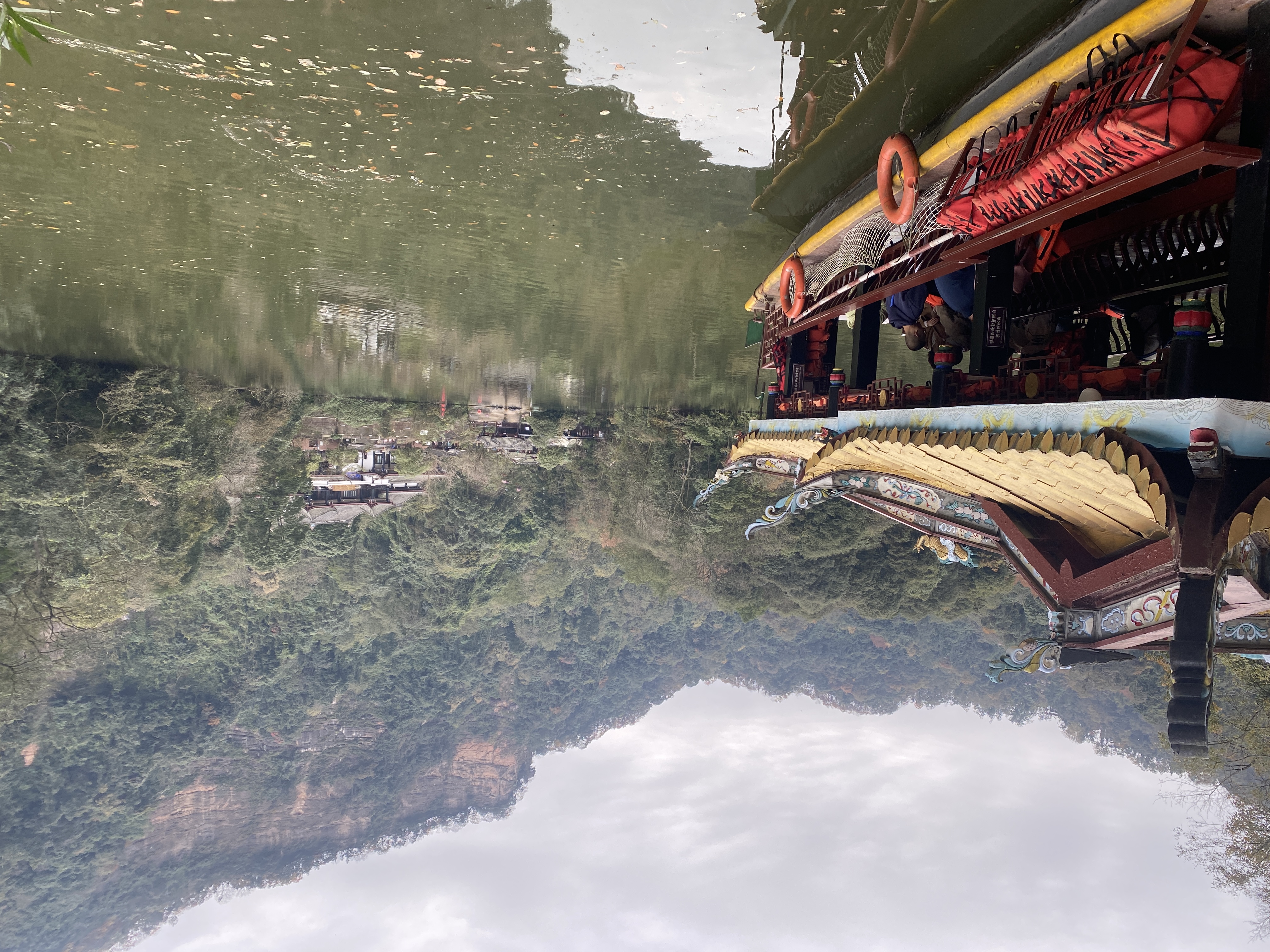
Dujiangyan
-irrigation system: 2,000 years old and still works, and with no dam! Unfortunately, it was closed for maintenance the whole week I was in the area.
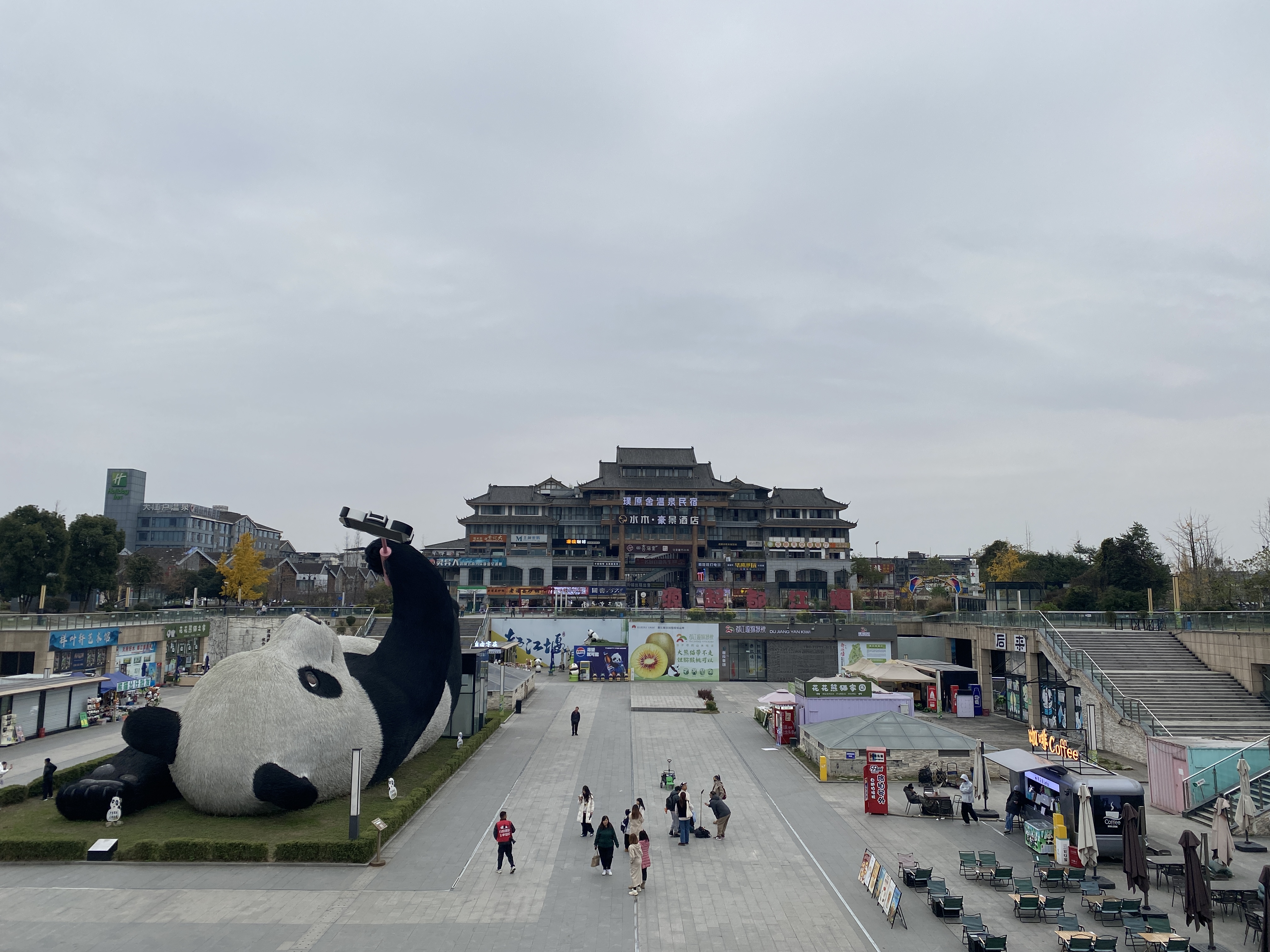
-Yagtianwo Sqaure: huge statue of panda taking a selfie
-Nanqiao bridge
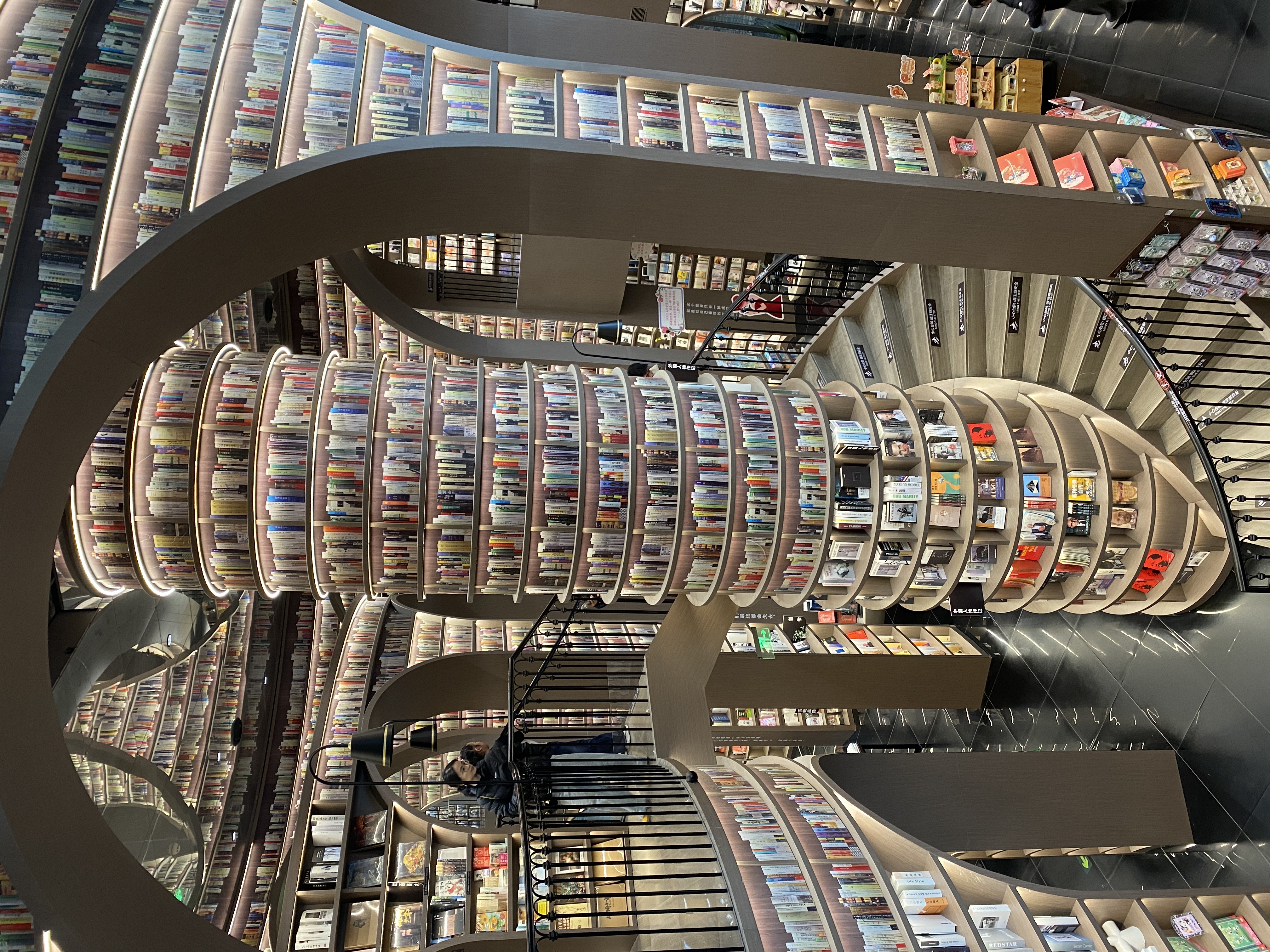
-Zhongshuge bookstore
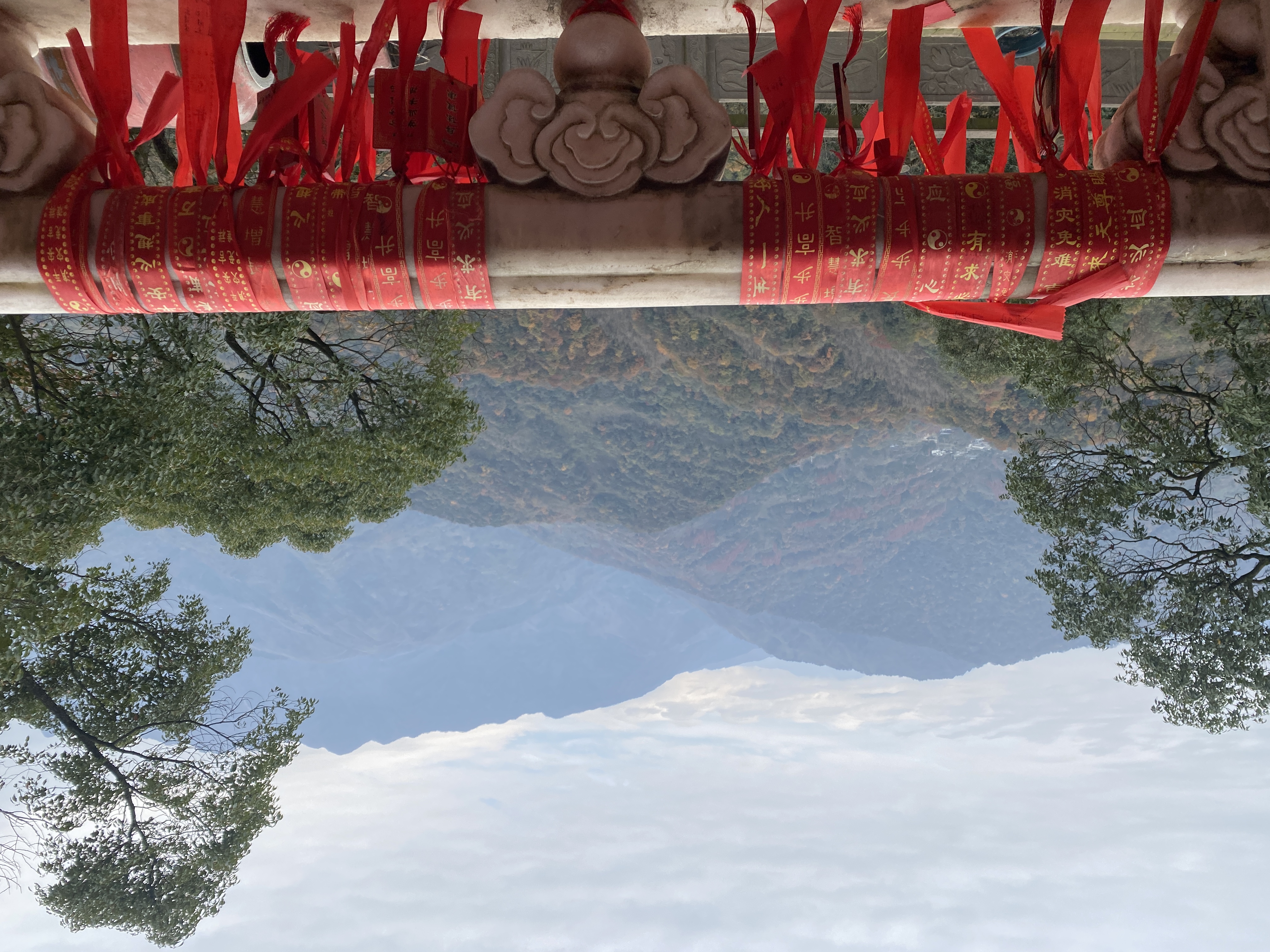
-Mount Qingcheng
Leshan
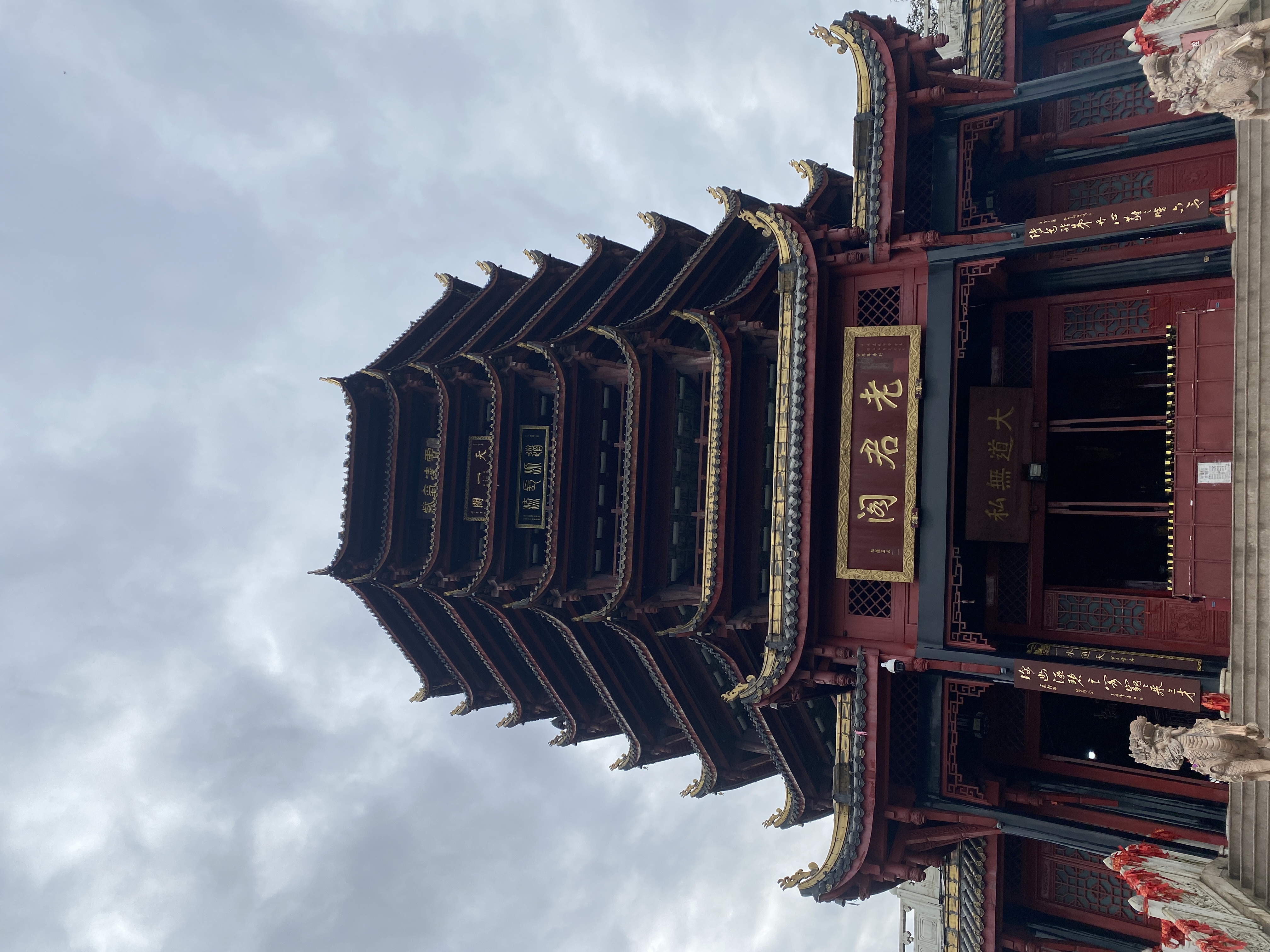
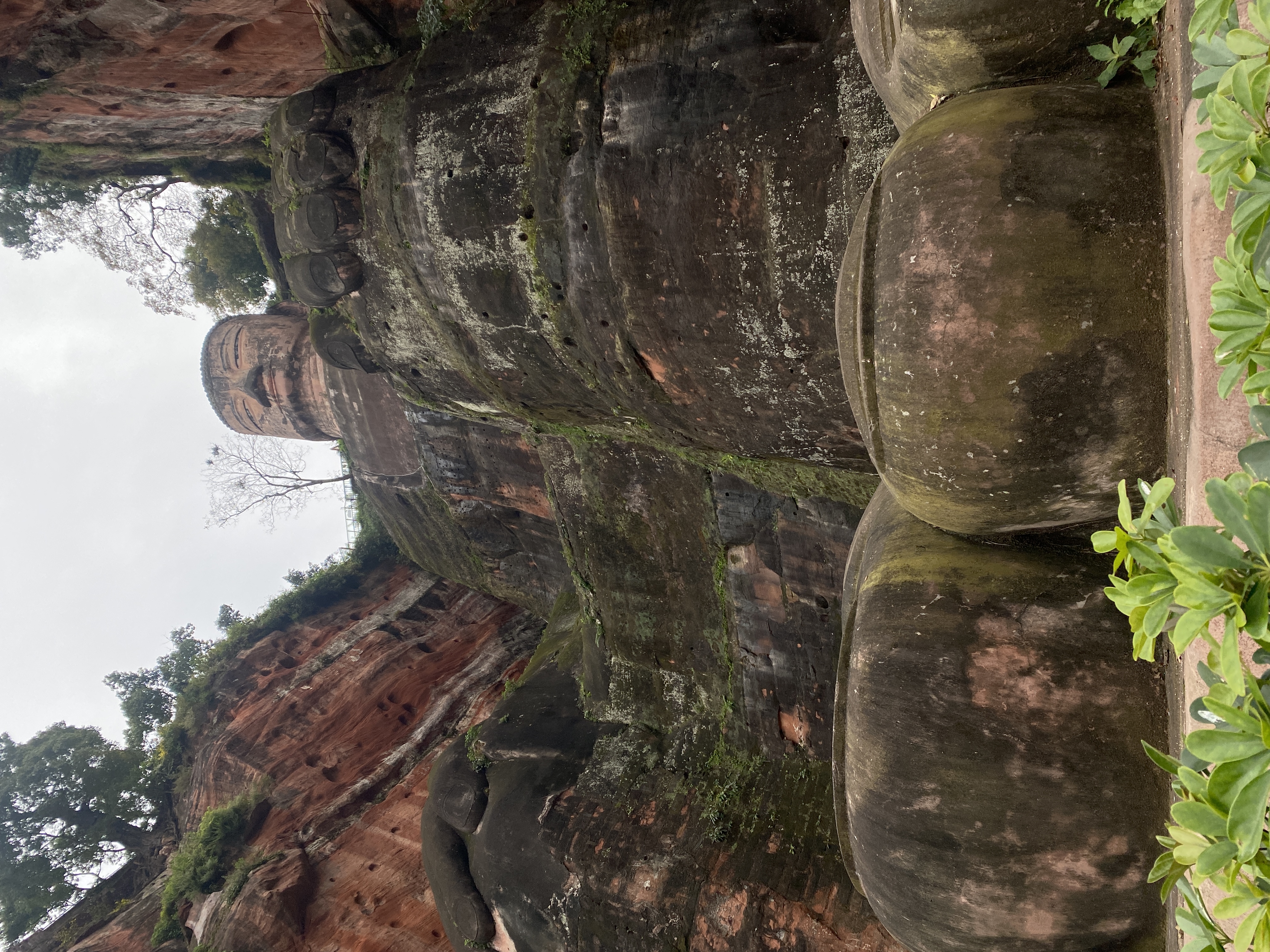
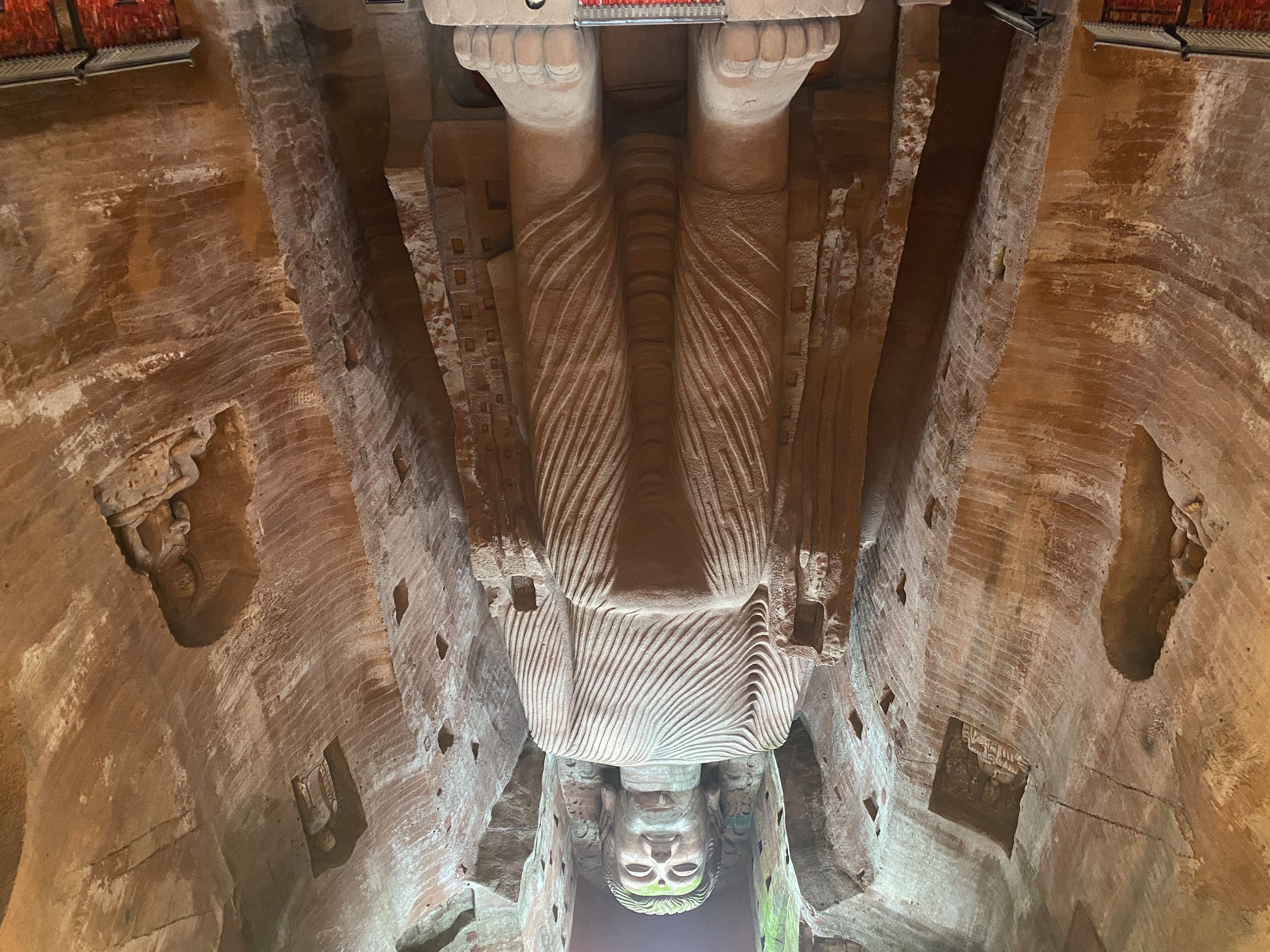
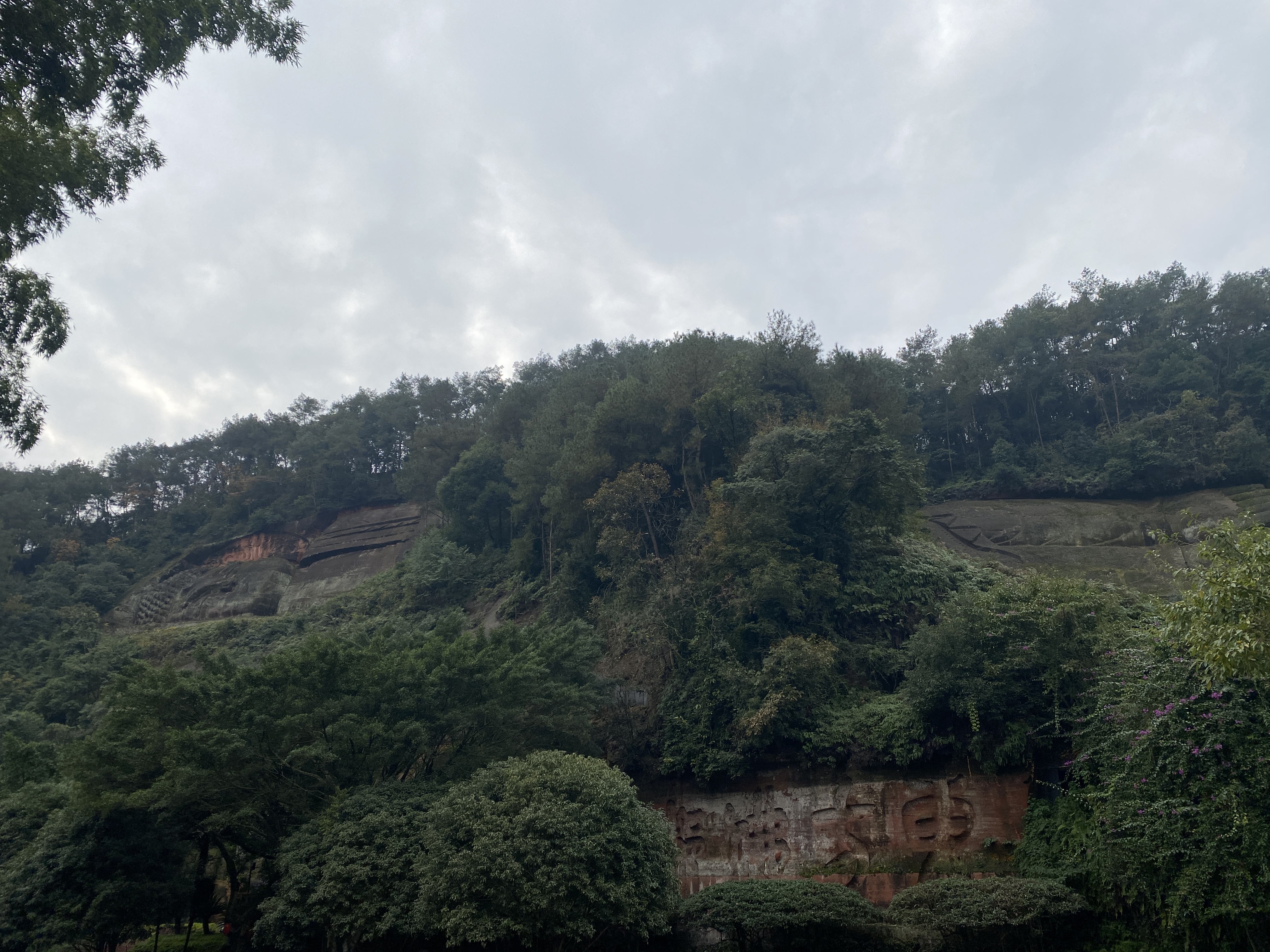
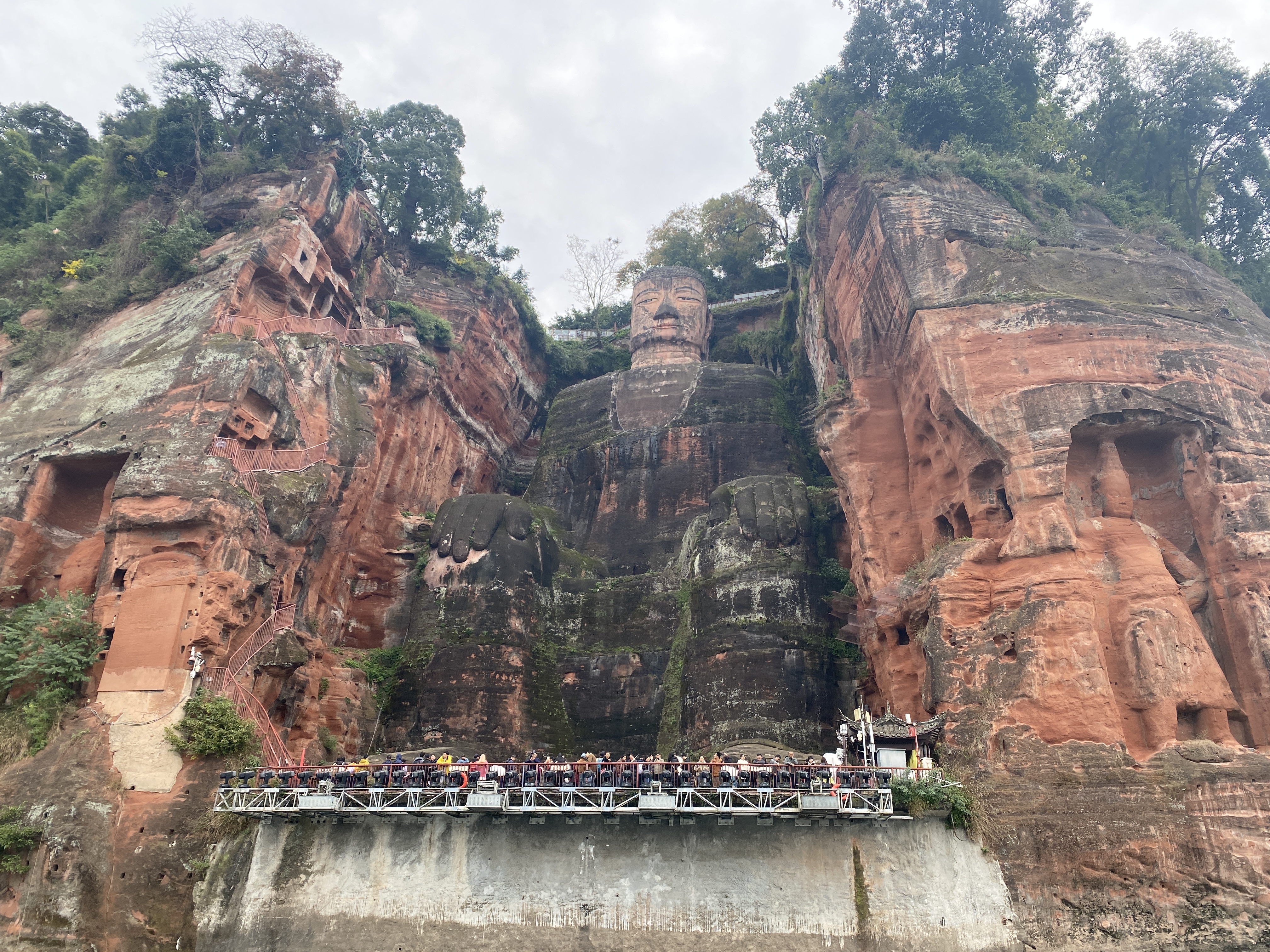
-The largest Buddha statue in the world: in addition to being able to climb up next to the statue, and go on a boat to see it from the river, the site also had more Buddhas in caves and even one that was carved into the side of the hill!
Datong
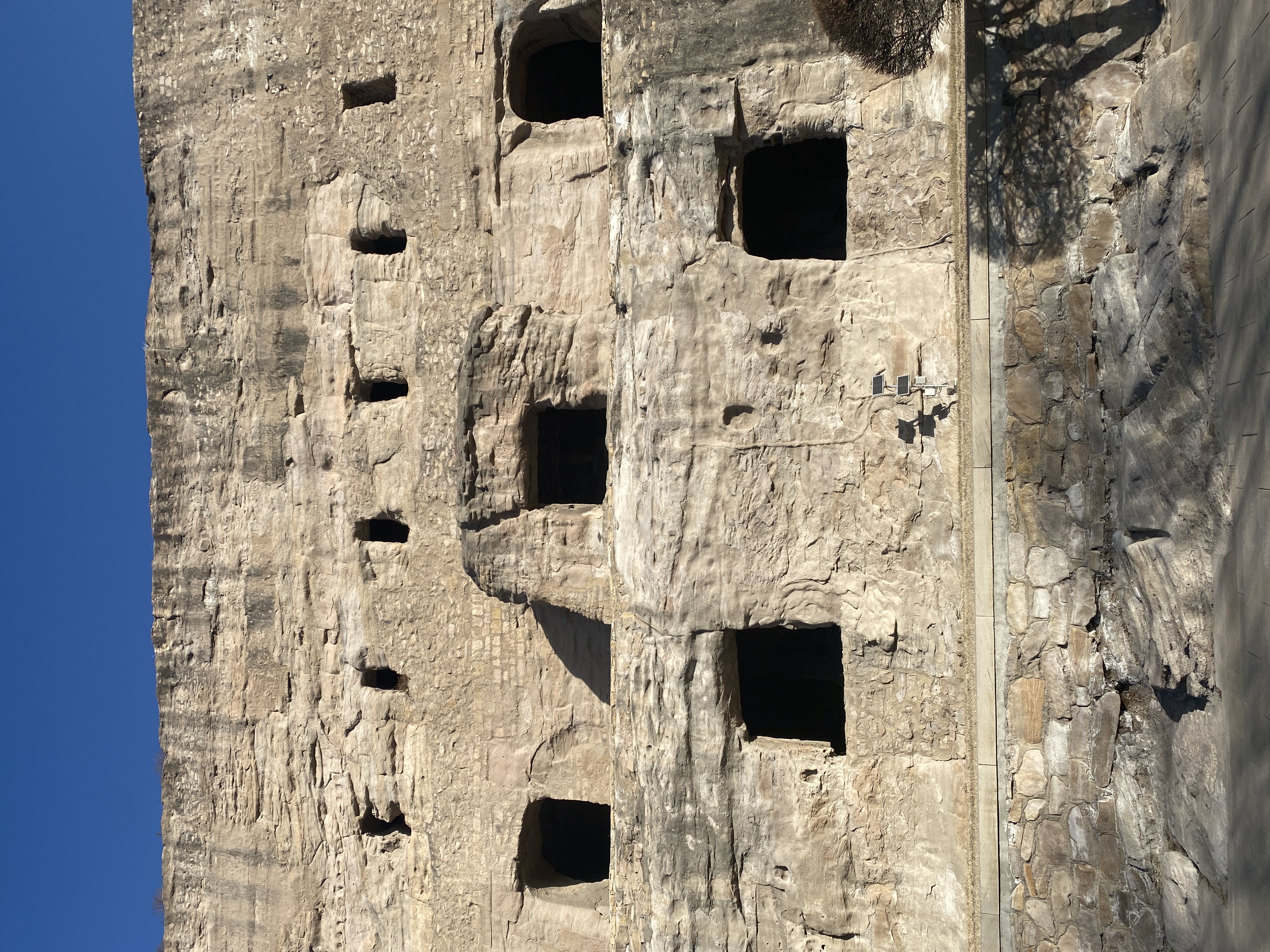
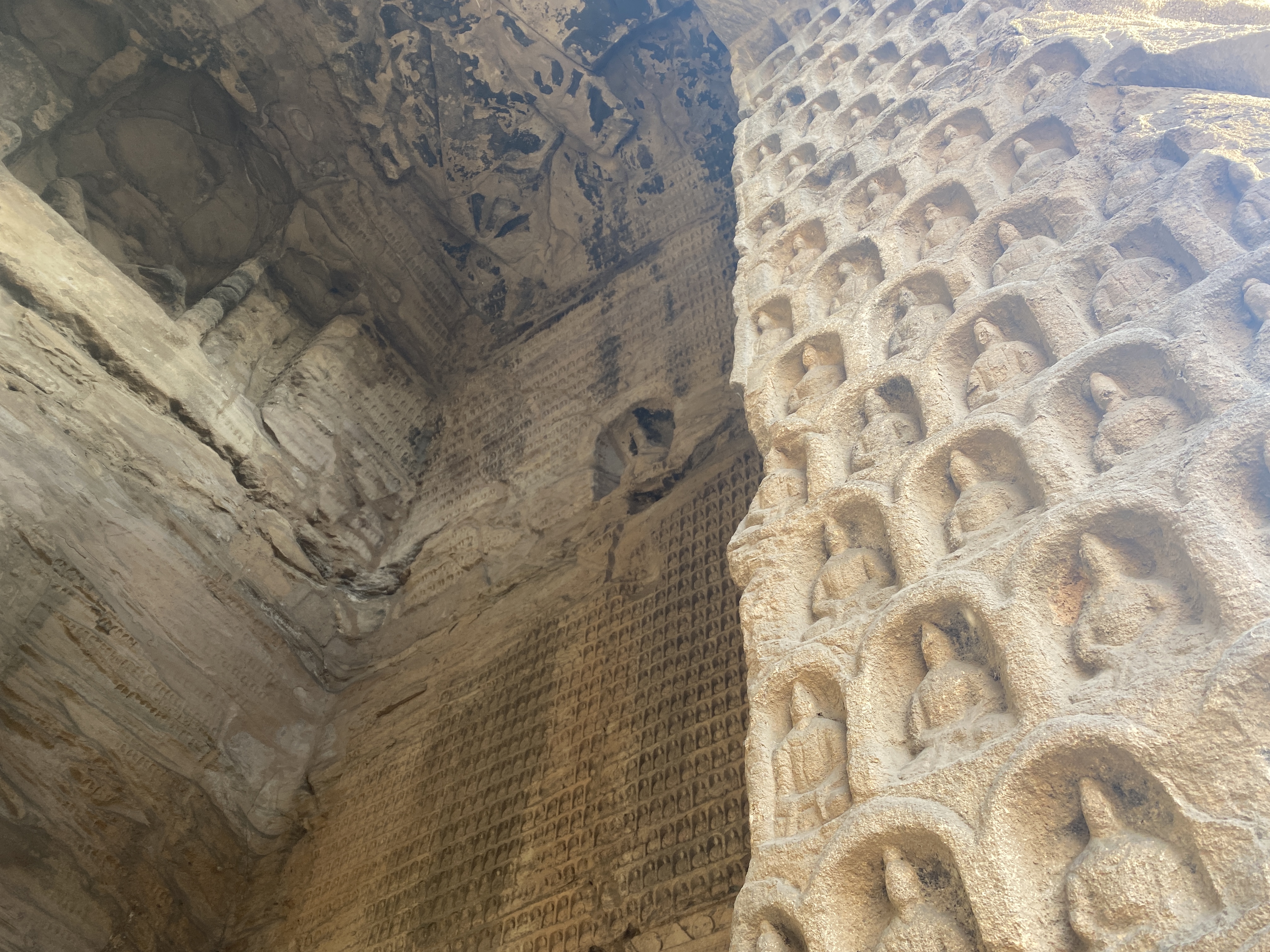
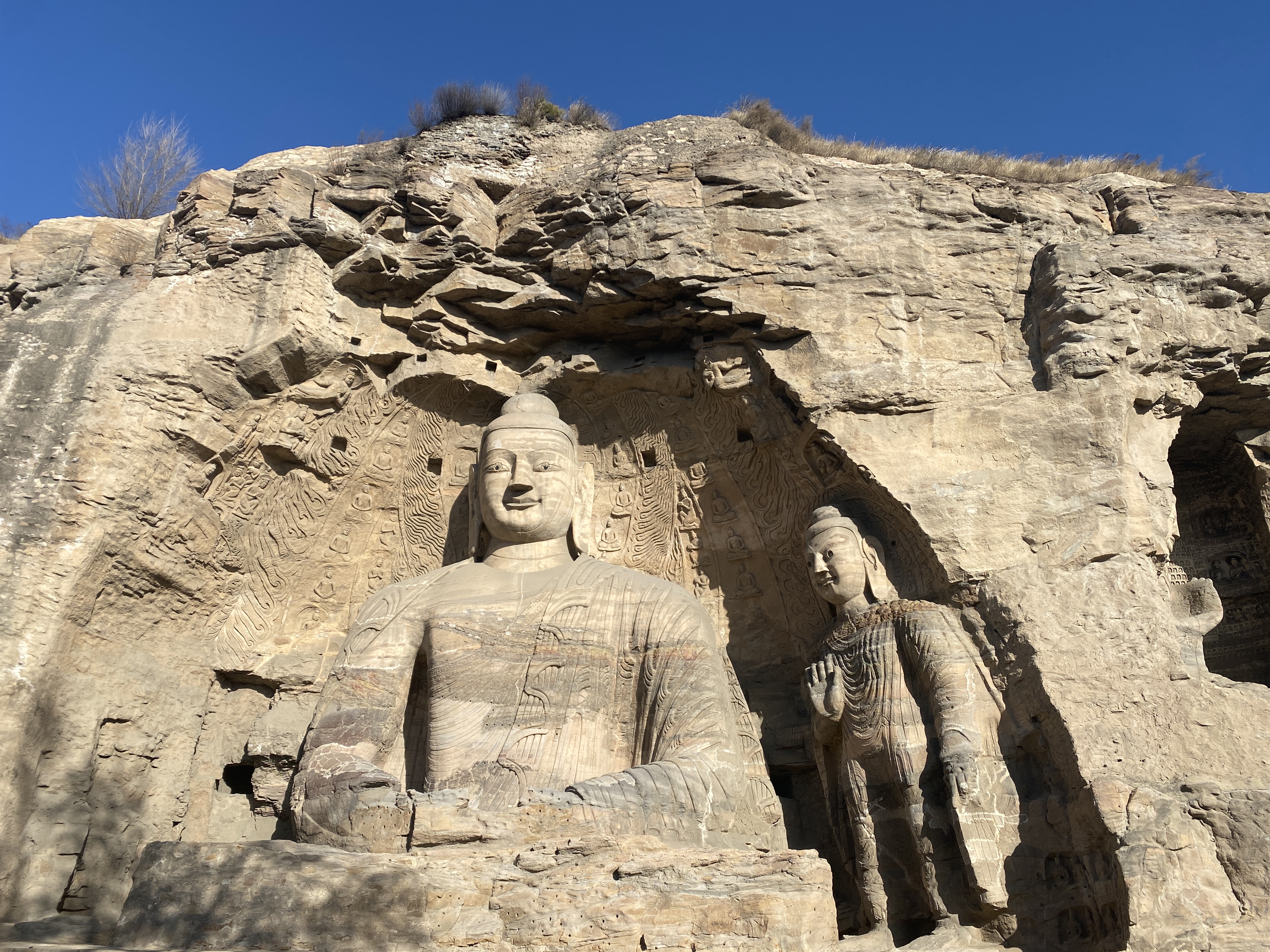
-Yungang Grottoes: a cave system with, you guessed it, Buddhas carved into the walls of the caves. I honestly had no idea just how many Buddhas I would be seeing on this trip, and by the time I got here, it numbered in the thousands…
-Ancient City Wall
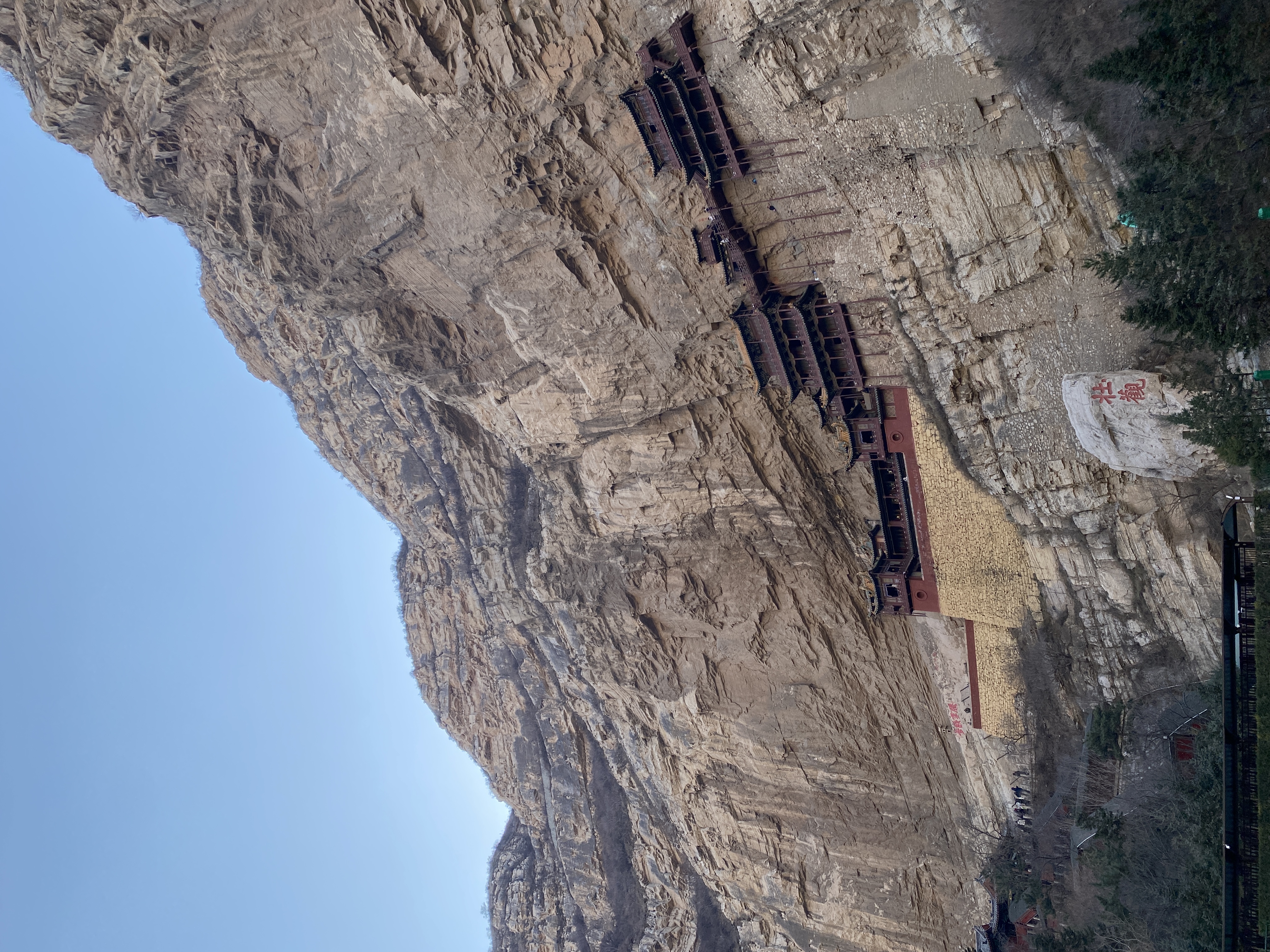
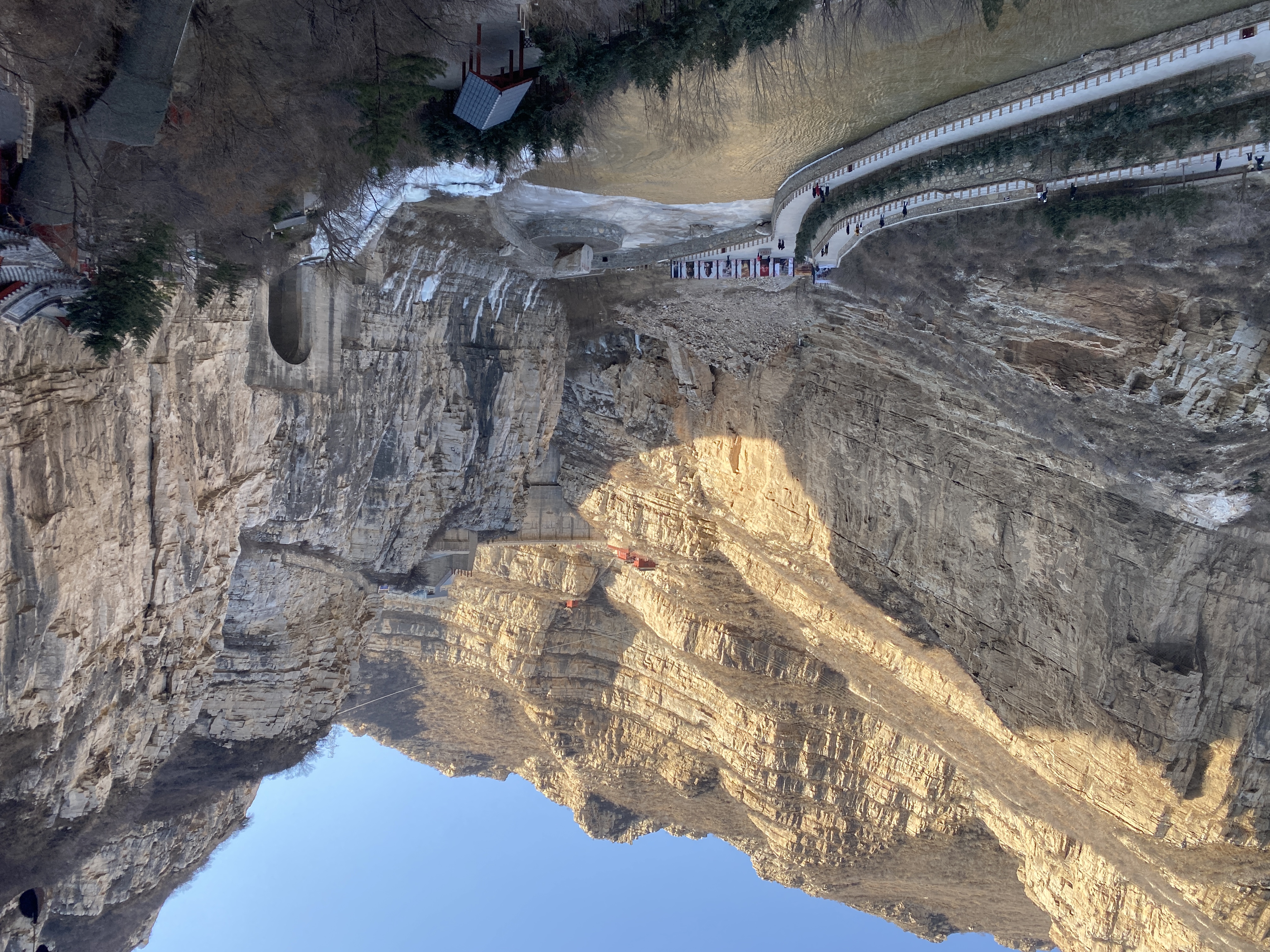
-Hanging Temple: literally hanging onto the side of a mountain
-Shanhua temple
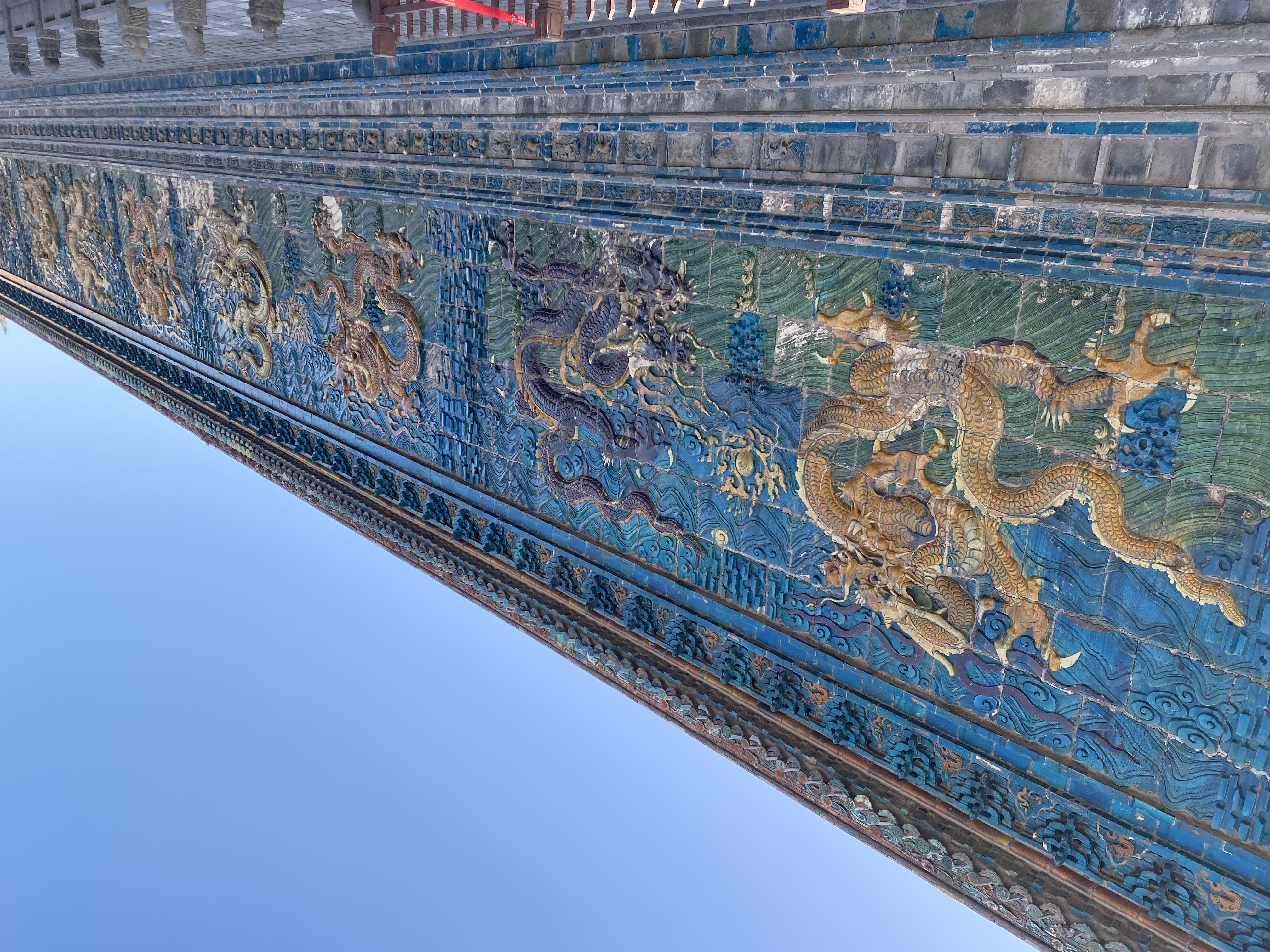
-Nine Dragon Screen
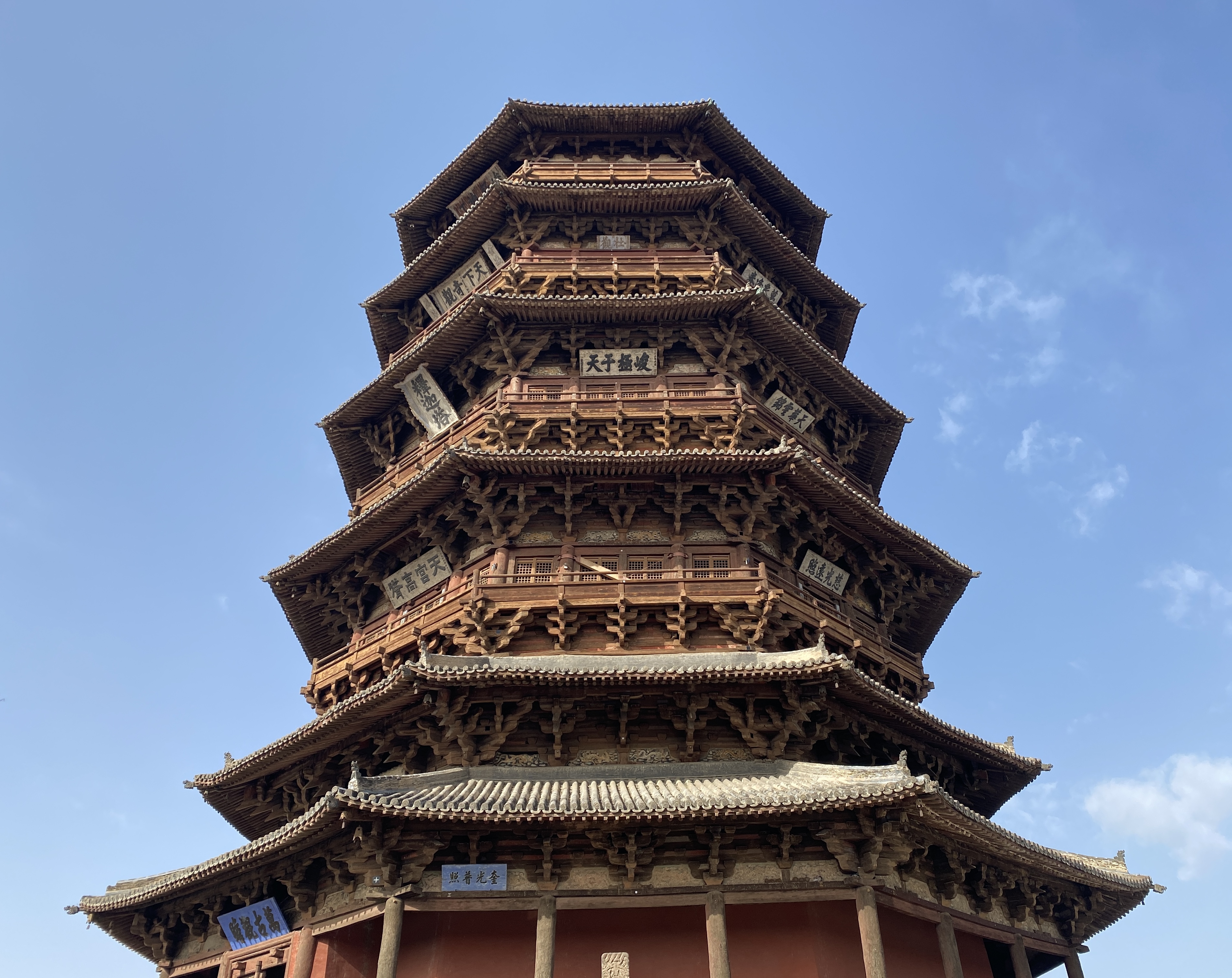
-Yingxian Pagoda of Fogong Temple: a 45-minute train ride away, this is the oldest wooden pagoda in the world
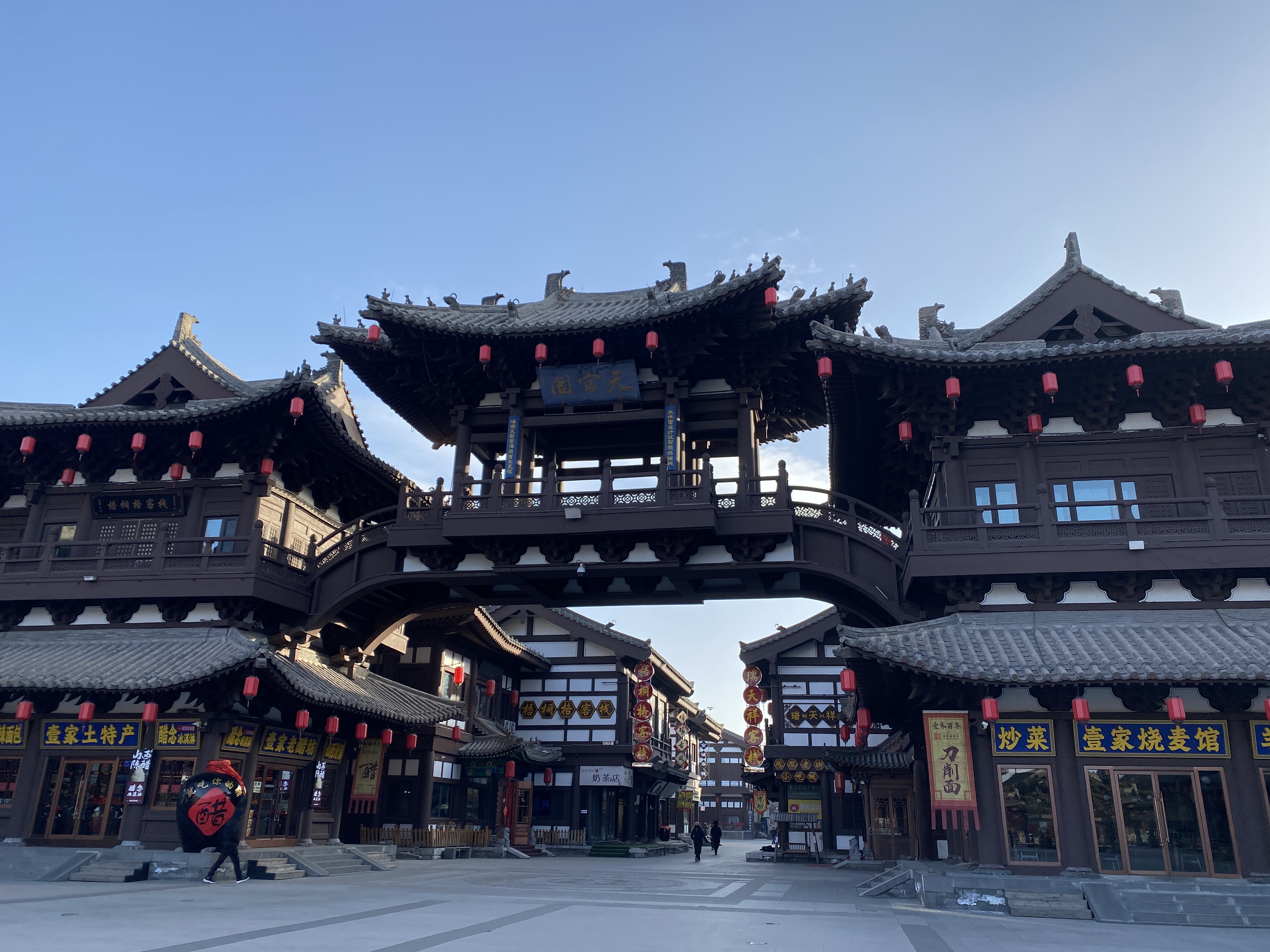
-Datong also had the cutest city center, walkable and with shops and restaurants all around.
And finally, things that surprised me:
—There was no English. At all. I am sure this will change in the next decade, but in more than three weeks I only came across one person who had more than a basic level of English. Hotel workers had a basic level some times, and people in shops, restaurants, and on the street knew nothing. This is a trip that would have been impossible, or at least extremely difficult, without constant access to internet because I used a translation app for everything, from ordering at restaurants to buying entrances at temples and museums to buying things in shops. I learned a few basic phrases in Chinese, like ‘thank you’ and ‘my Chinese is not good’, but that was about it.
—The ease and organization of navigating train stations. I did not take any buses while I was there, or even attempt the metro, so I cannot speak to those options, but what I can say is that the train stations in China are a dream. First of all, they notify you of the platform the day before. If you’ve ever traveled by train in Spain, you know that platform numbers only go up minutes, or even seconds, before a train is supposed to leave. There are also a plethora of food and beverage options, often on the second floor, which is open to the first floor below so you can see which trains are boarding, etc. I never had a single problem catching my trains.
—The sheer multitude of cameras and vigilance is something I was prepared for, but what did surprise me was how safe it made me feel walking on the street. That might sound like a silly feeling to have, but I did not have one moment at all in the whole time I was there when I felt unsafe or bothered by the presence of someone (aka a man). I went out at night, in the early morning, whenever, and I did not feel worried about having my phone in my hand, etc. A luxury.
—Going off of vigilance, I needed my passport every single day, for every single place I visited. Most times I travel, I leave my passport in the hotel room and have a copy in my wallet and also a picture on my phone. But in China when you buy entry tickets for a museum or a temple, they scan your passport. When you enter the train station, they scan it, and then scan it again when you go through security. You also need to scan it to leave the train station. Somewhere in some computer there is a very detailed replica of my itinerary!
—China seems set up perfectly for tourists, but I did not see many tourists. Given I was there in the off season, and I know they have a lot of domestic tourism, but most places I went to weren’t that busy, with the exception of one museum that was sold out the day I was there (a Saturday!). Once you know what you’re doing, instructions for buying entry tickets and visiting places are very clear, either in English or with arrows and other symbols.
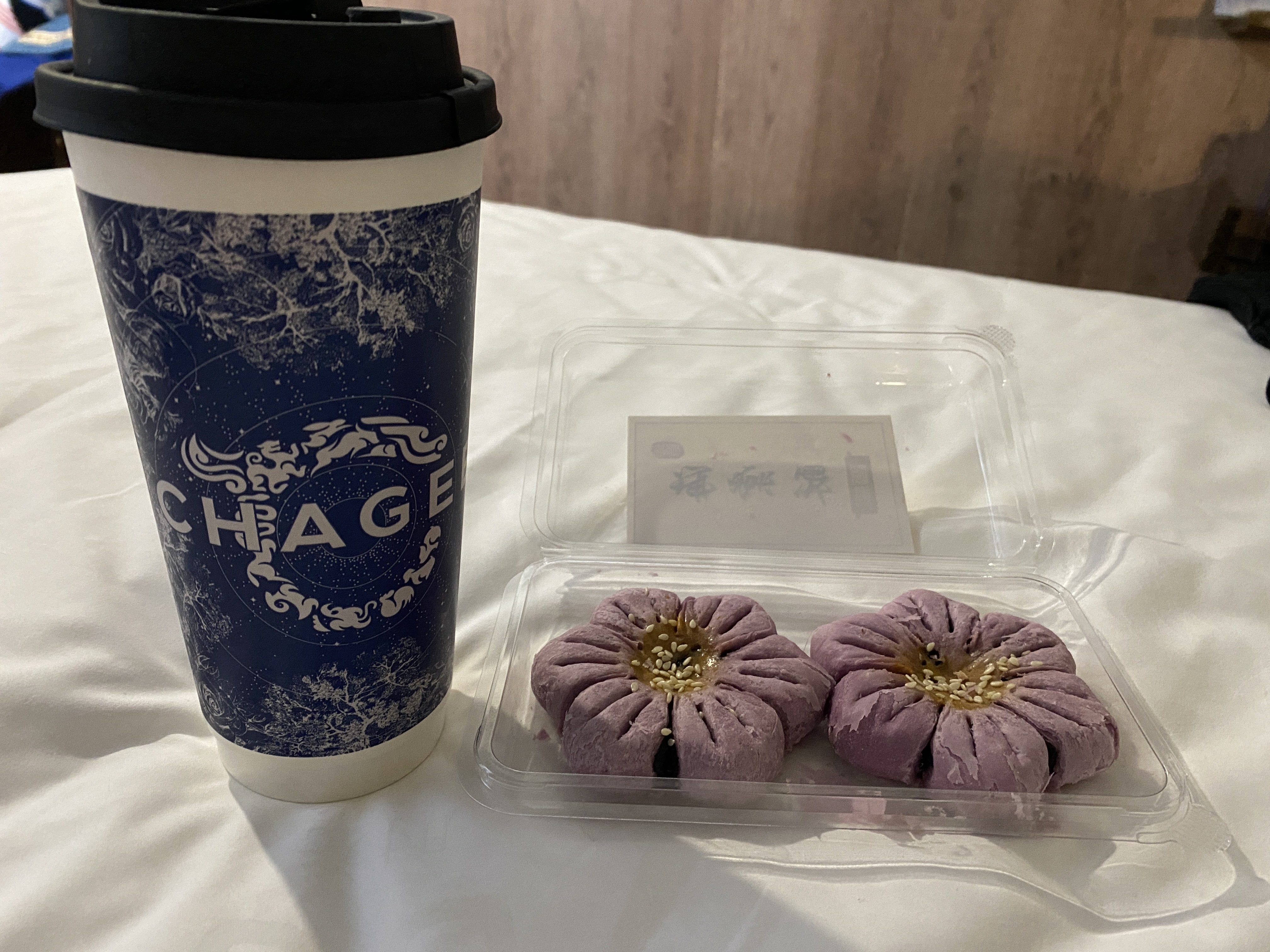
I could go on and on about everything I did: the museums I went to, the art I saw, the mountains I climbed, how I learned a bunch, ate great food, and drank amazing tea…but the last thing I will leave you with is that if you ever are in China, please please try the jasmine latte and the jasmine milk tea. I have never enjoyed a beverage as much as I enjoyed those. So delicious.
I will definitely be going back to China in the future, as I mentioned earlier, in hopes of hitting Harbin in the north, and then going south to visit Shenzhen, Canton, Shanghai, and Hong Kong. Who’s in? 😉